I almost shared the headline. A trade site said scientists had found a way to slash Salmonella from microgreen seeds, in the same weeks a broccoli seed lot was making people sick in six states. So I read the USDA paper down to the charts, crop by crop. The washes did something real, and the part the headline skipped is the part growers need.
Every page on the first screen of Google says microgreens are the safe one. I spent a week inside the FDA's two open sprout investigations and a USDA lab study that grew both crops from the same contaminated seed, and the sentence that held up was shorter than that. The seed does not know what you plan to grow from it. What you do about that is the question this post answers.
The thing that caught me in the CDC's outbreak report was one patient who named a microgreen mix. It isn't the cause. But it's why I went looking for what a seed bag actually has to tell you.
I went looking for a straight answer on how much seed goes in a 1020 tray and found chart after chart that disagreed. One cheat sheet carries 15 grams and 450 grams per tray in the same article without telling you which crop is which. So I went to the trials instead. Here is what four of them measured, crop by crop, including the ceiling nobody mentions.
I nearly skipped this paper. A Haryana team put calcium chloride in the feed of two mustard microgreen genotypes and every trait they measured moved the same way, with the higher dose winning every time. Then I looked at the control trays. This is what the tables say, what they leave out, and how to test it on one channel.
A number in a trade story did not sit right, so I went and read the docket. What I found was a list. Thirteen produce suppliers were paid in full in the twelve days before 80 Acres Urban Agriculture, Inc.…
I cut my broccoli on day ten. I have done for years, because day ten is when the tray finally looks like something worth selling. Then I read a study that weighed what was actually in those leaves and found most of it had left by day four. This is what I do with that now, and why I still cut on day ten.
I pulled up our own lettuce microgreens page to check a number, and the number was wrong. The nutrition table on it was the USDA record for a full-grown head of lettuce, printed under a heading that said microgreens. There is no USDA entry for a seedling, so somebody reached for the closest thing. This is the rebuild, from the studies up.
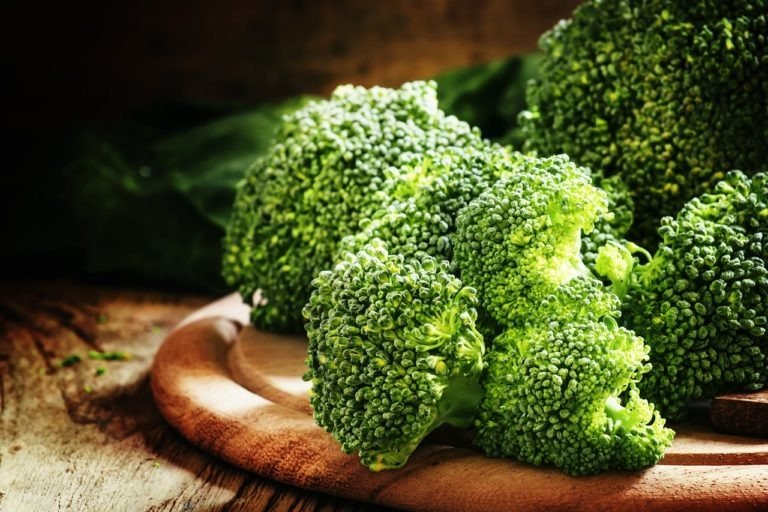
Broccoli microgreens are one of the most nutrient-dense things you can grow on a windowsill. This is the full breakdown: the vitamins, the minerals, the calories, and how the young plant stacks up against the mature head. The data comes from published studies, not guesses. Sulforaphane gets a mention too, but it's one part of a bigger nutrition picture.
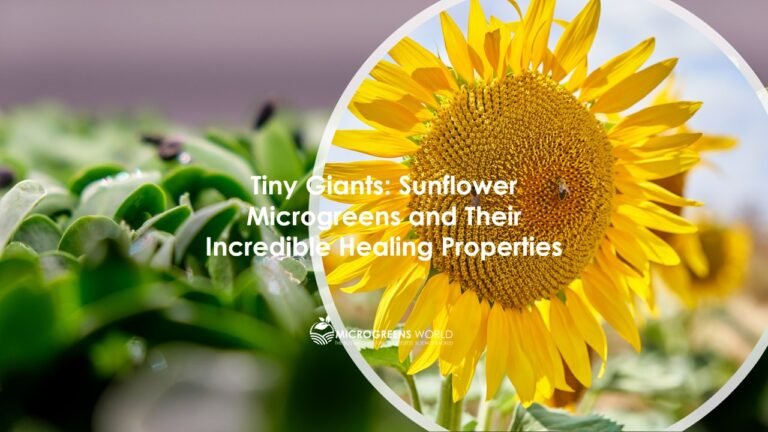
Most of the sunflower microgreens nutrition numbers online were never measured in a microgreen. They were lifted from sunflower seeds, a different food at a different stage. I read the trials that measured the actual shoot, down to their data tables, and kept only what survived. Here is what is really in the green, and what nobody has measured yet.
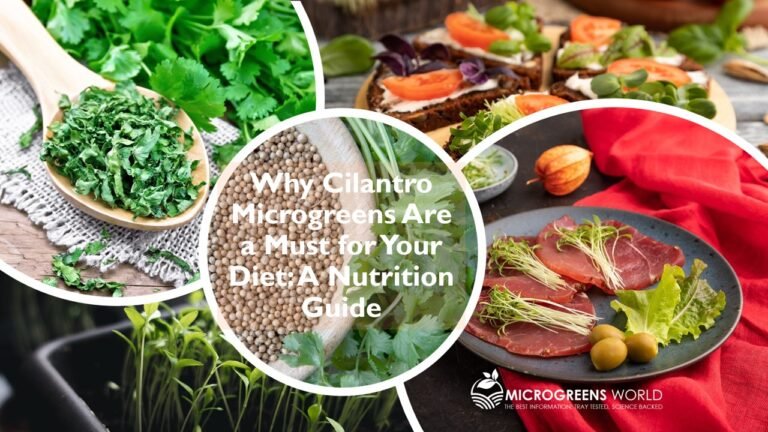
I bought my first tray of cilantro microgreens on a clerk's recommendation, took it home, and went looking for what was in it. What I found was the grown herb's nutrition record with a new label on it, repeated across most of the internet and, for a while, on this page. Here is the seedling's own record instead, printed with the growing conditions attached.
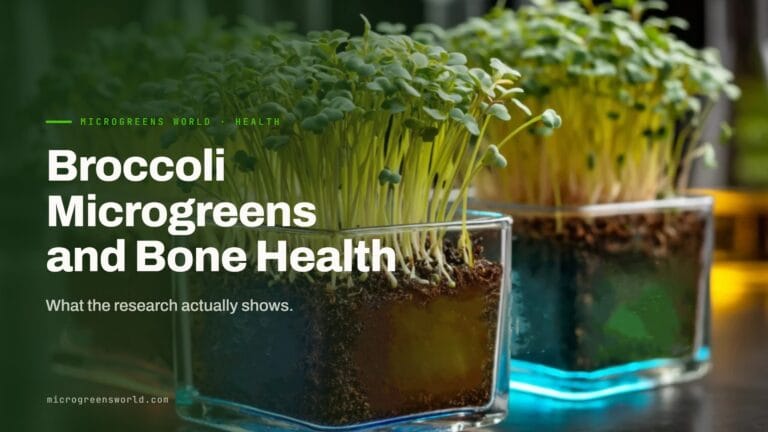
I almost scrolled past it. A week-old study, tucked into a nutrition journal, tested broccoli microgreens on human bone cells. Then I saw what it found, and why the folks selling sulforaphane pills skip over the fine print. Here's the honest version.
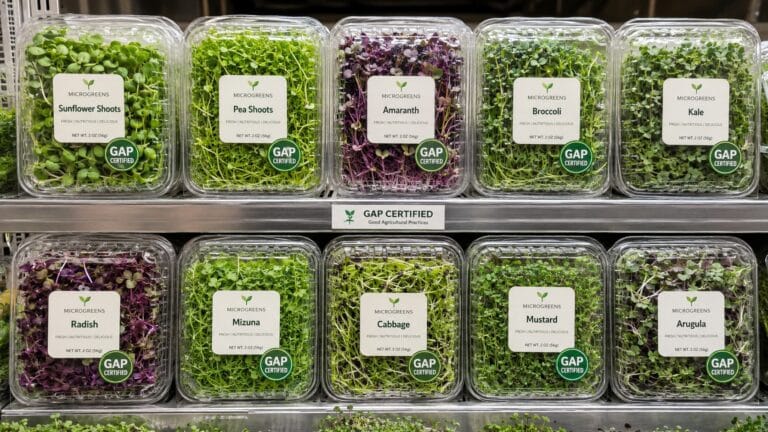
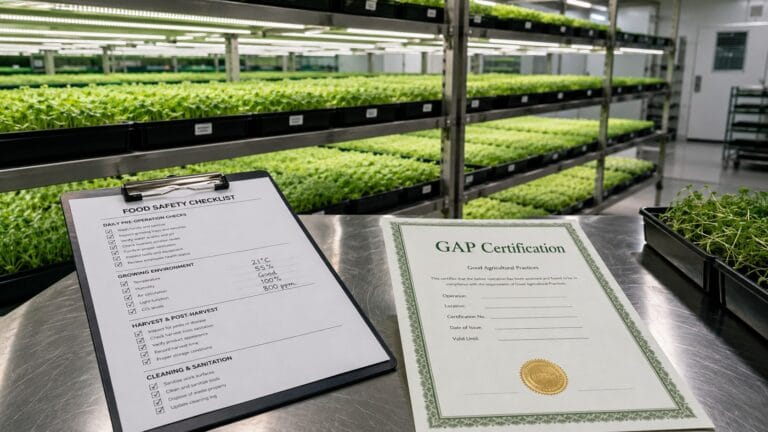
One of my clients called me after a restaurant buyer sent her two questions in the same email: "Are you GAP certified?" and "Are you FSMA-compliant?" She had never heard of either one. The buyer was waiting for an answer. GAP and FSMA cover much of the same ground, but they are separate programs with different administrators, different legal weight, and different consequences for your operation.
Most commercial microgreens growers qualify for the FSMA exemption. A new peer-reviewed study from Purdue University shows exactly what that exemption costs them, in liability exposure, in wholesale market access, and in business growth. Thirty growers. Five focus groups. The findings are not what most people expect.
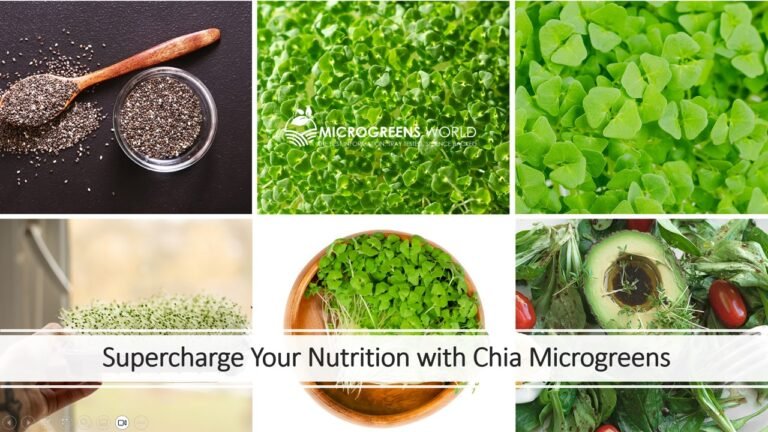
When my friend Alex brought me a packet of chia seeds, I had to tell him I had switched to growing them as microgreens instead. Most chia microgreen nutrition data online is actually borrowed from seed charts. Here is what researchers have measured in the microgreen itself, and what the science still does not show.
Most growers set prices by copying a competitor, then wonder why the margin never shows up. A competitor's price tells you nothing about their costs. This walks through building a price from your own cost floor up, channel by channel, so the number actually holds.
Several weeks ago, I shared new microgreens beverage research in a commercial growers group. The response from one enterprise-scale operator stopped me cold. They had run the numbers, sat across from nutraceutical buyers, and watched the unit economics fail. Their…
I used to think you needed a backyard and a green thumb to eat well. Then I started growing microgreens on a windowsill and digging into what's actually inside them. The research surprised me, some of these tiny leaves carry far more of certain vitamins than the full-grown vegetable. Here's what the science says, and which ones are worth your tray space.
Palm Ventures has acquired AeroFarms, the largest U.S. microgreens supplier. Microgreens World publisher D. Andrew Neves breaks down what the deal actually means for the market hierarchy, the regulatory outlook, and what independent growers should do right now.
Most people think microgreens businesses fail because the growing is hard. It is not. About half do not make it past their first year, and the reason is almost never the crop. It is everything around the crop: the buyers, the numbers, the systems. Here is what separates the half that survives.
In 2017, Steven and I started jPure Farms with one goal: to grow the most profitable microgreens we could find. The numbers taught us something the seed catalogs never mention. Radish and sunflower led on profit, but not for the reason most growers assume. Here is what actually drives the money, variety by variety.
Do you need a license to sell microgreens? In most places, yes, and it is a small stack of permits, not one card. Here is exactly what you need, in what order, plus the FSMA food safety changes and what to do if zoning says no.
Microgreens are some of the most nutrient-dense food on the planet, and most home growers eat them happily for years without a single problem. But about once a month, someone like my neighbor Marty asks me a worried question after reading something online. "Are these things actually safe?" Yes, with three specific exceptions worth knowing about.
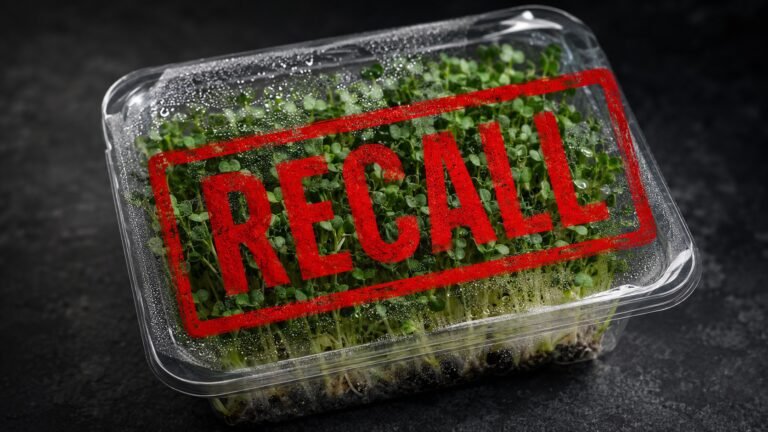
I track food safety events in microgreens because growers deserve more than headlines. When four Canadian brands were caught in a microgreens recall inside of nine days in May 2026, I traced the event back to its source. What I found is less about any individual operation and more about a gap that most microgreens growers share.
New research from Colorado State University identifies which farmers market to sell at for specialty crop vendors. Urban, year-round, and producers-only markets consistently outperform seasonal and rural alternatives.
When you visit any web site, it may store or retrieve information on your browser, mostly in the form of cookies. Control your personal Cookie Services here.