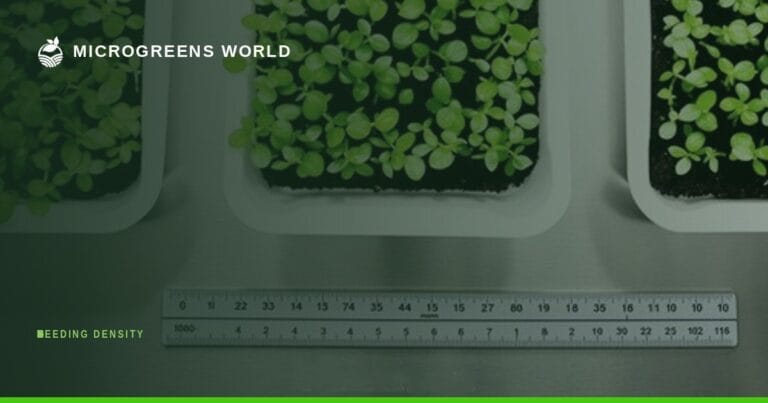
I went looking for a straight answer on how much seed goes in a 1020 tray and found chart after chart that disagreed. One cheat sheet carries 15 grams and 450 grams per tray in the same article without telling you which crop is which. So I went to the trials instead. Here is what four of them measured, crop by crop, including the ceiling nobody mentions.
A number in a trade story did not sit right, so I went and read the docket. What I found was a list. Thirteen produce suppliers were paid in full in the twelve days before 80 Acres Urban Agriculture, Inc.…
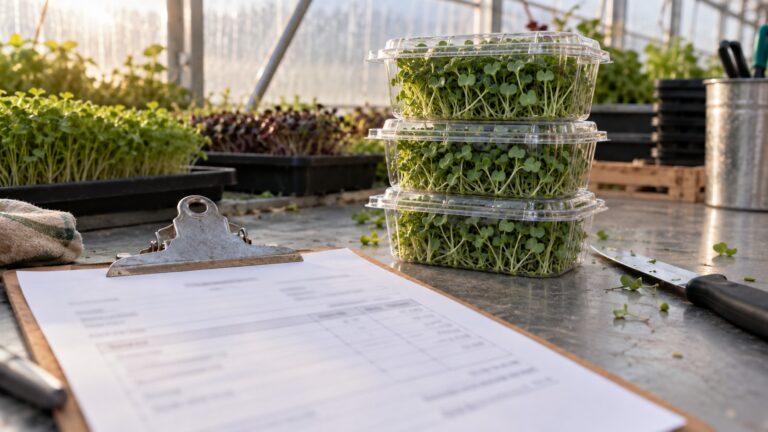
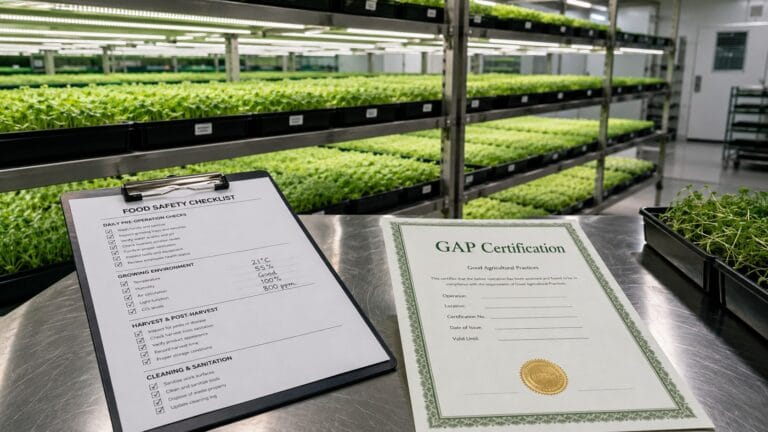
One of my clients called me after a restaurant buyer sent her two questions in the same email: "Are you GAP certified?" and "Are you FSMA-compliant?" She had never heard of either one. The buyer was waiting for an answer. GAP and FSMA cover much of the same ground, but they are separate programs with different administrators, different legal weight, and different consequences for your operation.
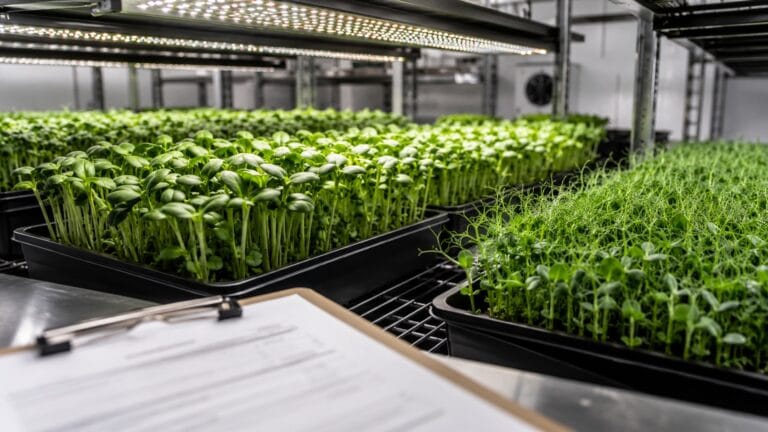
Most commercial microgreens growers qualify for the FSMA exemption. A new peer-reviewed study from Purdue University shows exactly what that exemption costs them, in liability exposure, in wholesale market access, and in business growth. Thirty growers. Five focus groups. The findings are not what most people expect.
In 2017, Steven and I started jPure Farms with one goal: to grow the most profitable microgreens we could find. The numbers taught us something the seed catalogs never mention. Radish and sunflower led on profit, but not for the reason most growers assume. Here is what actually drives the money, variety by variety.
I went looking for the day somebody first said the word microgreens out loud. I did not find it. What I found instead were two origin stories that cannot both be true, and a stack of repeated numbers that fall apart when you check them. Here is what actually survives.
My bank asked for one. So did the SBA, and so did my wife. A microgreens business plan is the document that turns "I want to sell microgreens" into a business someone will fund. Here is what goes in one, why each piece matters, and the fastest way to get yours on paper.
When you visit any web site, it may store or retrieve information on your browser, mostly in the form of cookies. Control your personal Cookie Services here.