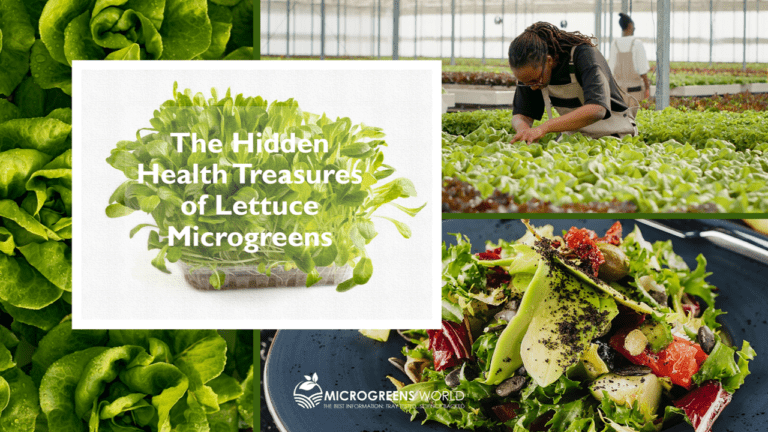
I pulled up our own lettuce microgreens page to check a number, and the number was wrong. The nutrition table on it was the USDA record for a full-grown head of lettuce, printed under a heading that said microgreens. There is no USDA entry for a seedling, so somebody reached for the closest thing. This is the rebuild, from the studies up.
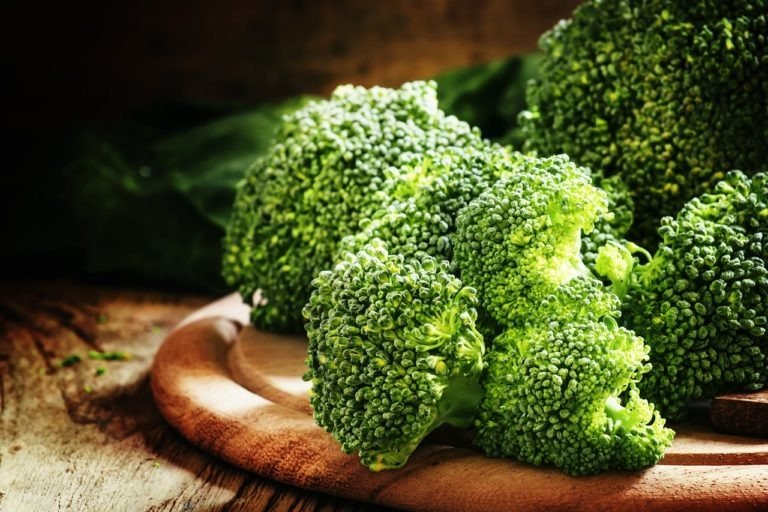
Broccoli microgreens are one of the most nutrient-dense things you can grow on a windowsill. This is the full breakdown: the vitamins, the minerals, the calories, and how the young plant stacks up against the mature head. The data comes from published studies, not guesses. Sulforaphane gets a mention too, but it's one part of a bigger nutrition picture.
Most of the sunflower microgreens nutrition numbers online were never measured in a microgreen. They were lifted from sunflower seeds, a different food at a different stage. I read the trials that measured the actual shoot, down to their data tables, and kept only what survived. Here is what is really in the green, and what nobody has measured yet.
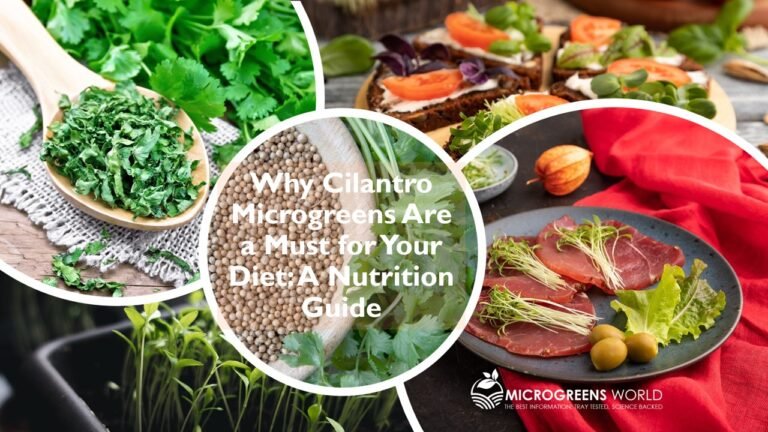
I bought my first tray of cilantro microgreens on a clerk's recommendation, took it home, and went looking for what was in it. What I found was the grown herb's nutrition record with a new label on it, repeated across most of the internet and, for a while, on this page. Here is the seedling's own record instead, printed with the growing conditions attached.
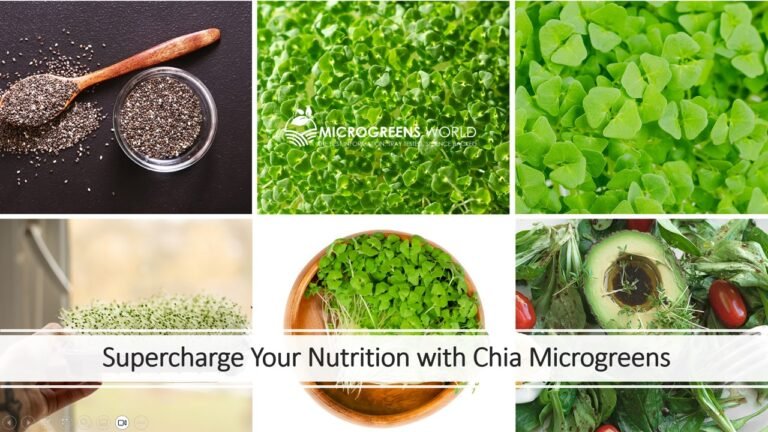
When my friend Alex brought me a packet of chia seeds, I had to tell him I had switched to growing them as microgreens instead. Most chia microgreen nutrition data online is actually borrowed from seed charts. Here is what researchers have measured in the microgreen itself, and what the science still does not show.
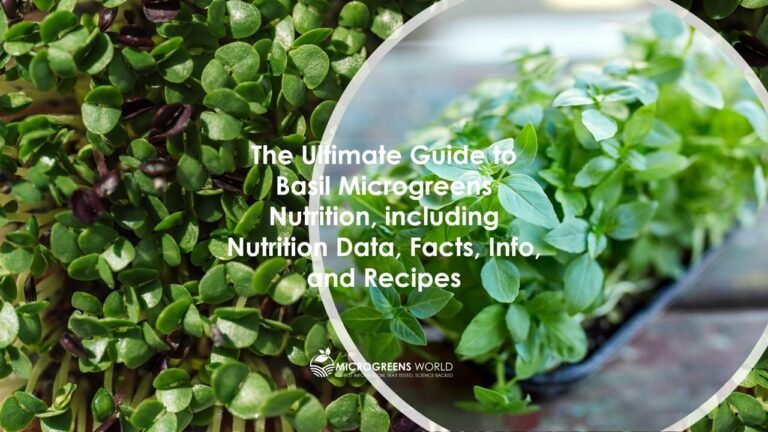
Basil microgreens contain measurable concentrations of vitamins C, K, and E, plus calcium, iron, and anti-inflammatory compounds including eugenol and linalool. Here is what the USDA nutrition data shows and what the research says about their health benefits.
Mustard microgreens hit 215% of your daily Vitamin K requirement in 100g. That heat you taste is allyl isothiocyanate, the same compound researchers study for anti-inflammatory properties. USDA data, variety comparisons, and growing basics all here.
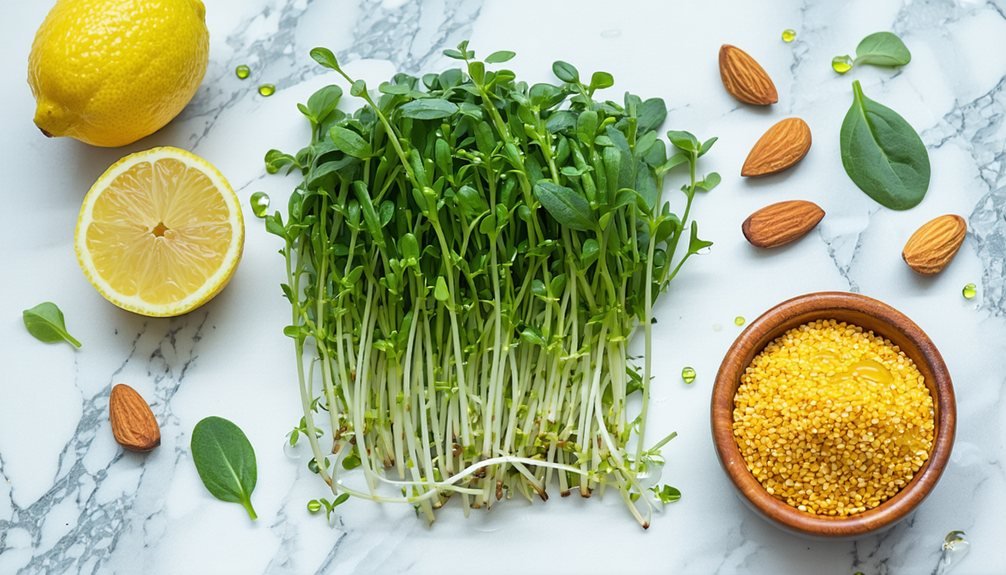
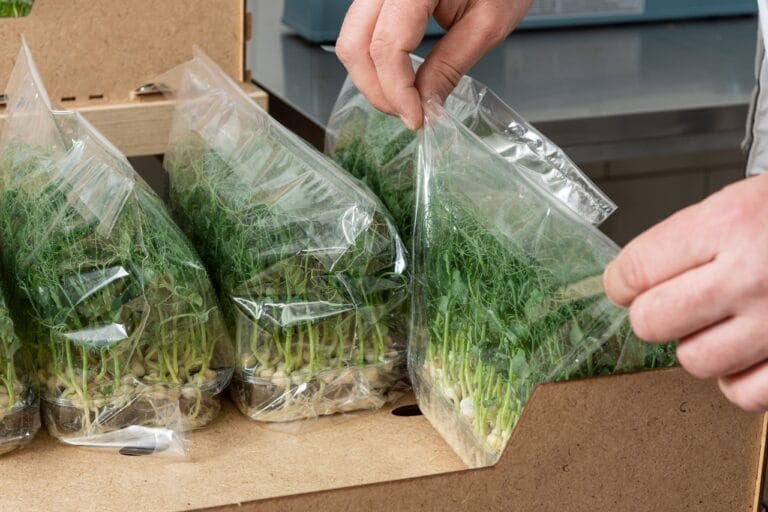
No official nutrition table exists for pea shoots, which is why a snow pea pod table has been standing in for one. Here is what the labs actually measured, and how far apart they landed.
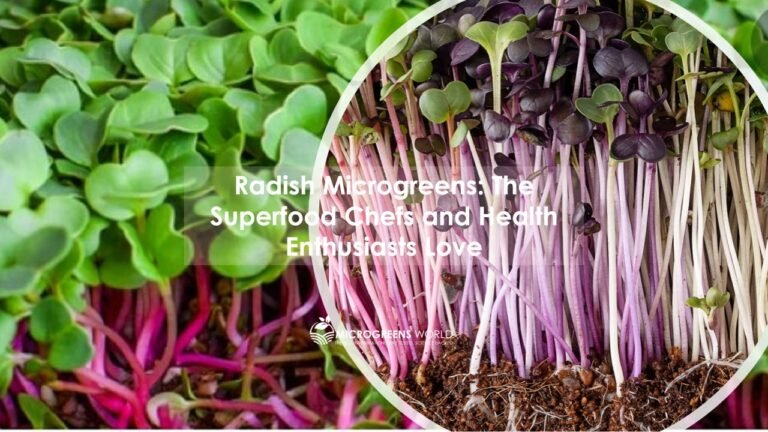
My son steamed radishes for dinner one night and I took one thin slice. The spice stopped me. Radish microgreens carry that same peppery punch, but with a nutritional profile the mature root vegetable cannot match.
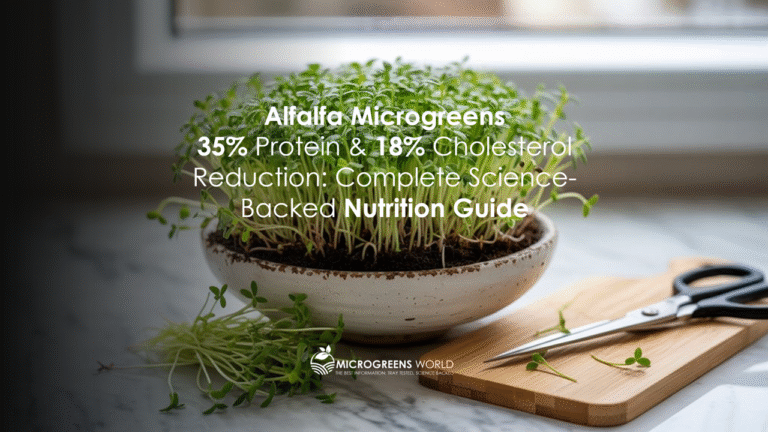
Nutritional powerhouse alfalfa microgreens contain 35% protein and reduce cholesterol by 18%, but their hidden toxin requires specific preparation that most people overlook.
Day 7: Everything's covered in white fuzz. Again. Third parsley microgreens tray this month that looks like it belongs in a biology experiment, not my kitchen.
Discover the nutritional power of bok choy microgreens! Rich in protein, antioxidants, and vitamins, these tiny greens outshine mature bok choy. Learn growing tips and easy recipes.
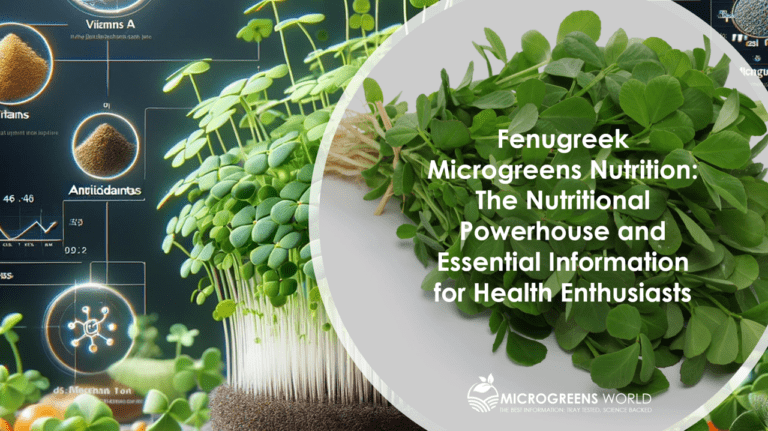
Discover the nutritional powerhouse of fenugreek microgreens! Packed with essential nutrients, these superfoods are a must-try for health-conscious individuals.
Carrot microgreens are nutrient-dense, especially rich in vitamins A (835 mg, 92.8%) and K (13.2, 10.8%), and along with lutein + zeaxanthin (256 mg), the amino acids threonine (0.191 g), leucine (0.102 g), alanine (0.113 g), and glutamic acid (0.366 g) support eye, bone, and brain health, blood clotting, and the immune system. The high antioxidant content makes them a valuable addition to a health-conscious diet.
When you visit any web site, it may store or retrieve information on your browser, mostly in the form of cookies. Control your personal Cookie Services here.