Optimal Growing Conditions: Ensuring Safe and Healthy Microgreens
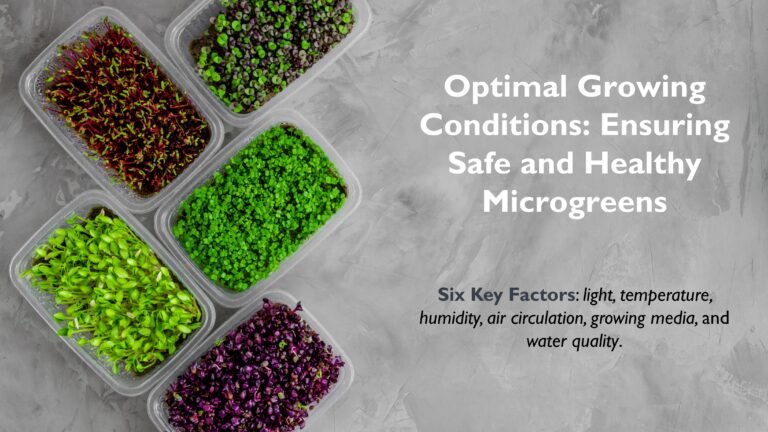
Learn crucial environmental factors and proven techniques that transform your microgreens from risky ventures into thriving, nutritious harvests.

Learn crucial environmental factors and proven techniques that transform your microgreens from risky ventures into thriving, nutritious harvests.
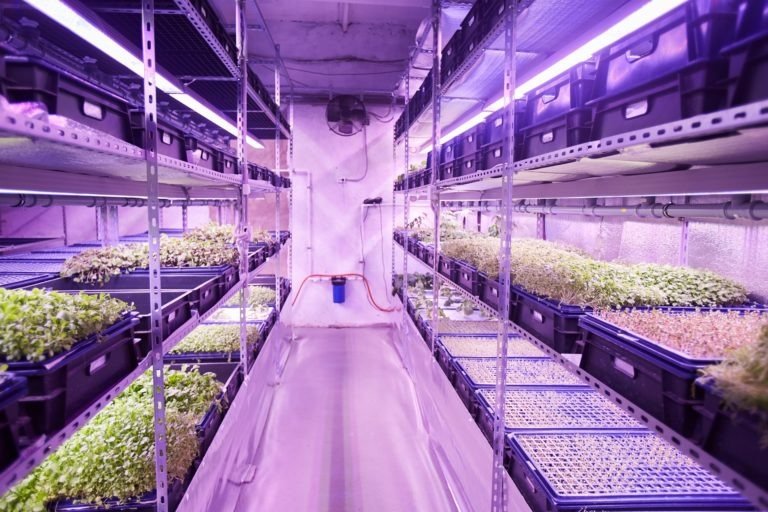
Poor airflow is the most common reason microgreens mold, wilt, and fail indoors. Here is what we learned at jPure Farms, how to calculate the right fan size for your grow room, and how to control humidity, CO2, and temperature without expensive equipment.

Slow growth in microgreens can be addressed by optimizing growing conditions, including light, temperature, and nutrient supply. Regular monitoring and adjustments can ensure healthy, rapid growth.
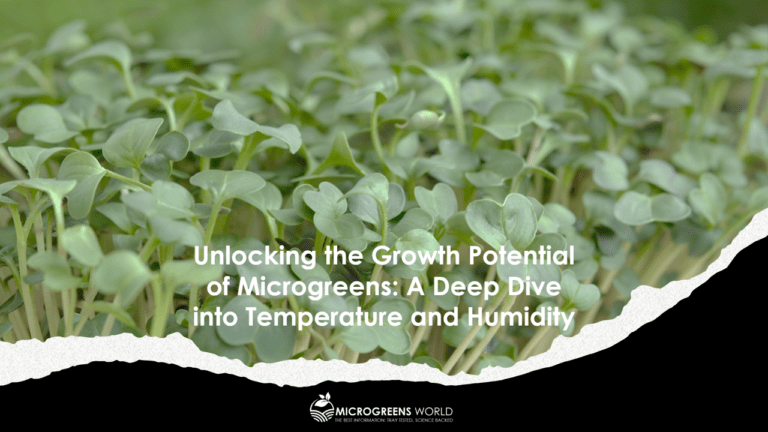
Most microgreens grow best in the 60°F to 75°F (15°C to 24°C) temperature range. The sweet spot ensures they germinate efficiently, soak up sunlight for photosynthesis, and grow into healthy plants. So, if you want your microgreens to flourish, you’ve got to keep an eye on those temperature and humidity levels.
When you visit any web site, it may store or retrieve information on your browser, mostly in the form of cookies. Control your personal Cookie Services here.
