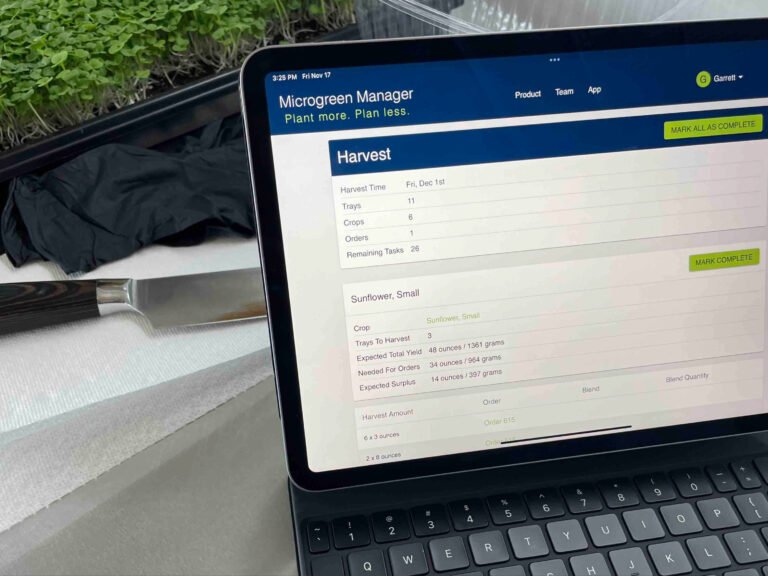
Wednesday morning. A text lands on your phone from Chef Marco at Rosario's: "Just confirming Friday delivery. Same order as last week?" You pull up the spreadsheet, and the recurring orders tab hasn't been touched since Monday. One variety missed the sow window. The trays are empty. The harvest won't make Friday. This review asks the question every commercial grower eventually faces: Does the microgreens software built on a GAP-certified commercial farm actually hold up when that farm depends on it?
Basil microgreens contain measurable concentrations of vitamins C, K, and E, plus calcium, iron, and anti-inflammatory compounds including eugenol and linalool. Here is what the USDA nutrition data shows and what the research says about their health benefits.
Most microgreens businesses fail within their first year. Not from bad growing. From starting with trays before confirming buyers. Here is the sequence that works, and what to do in the first 90 days.
Ancient compounds in certain microgreens may quietly interrupt the inflammation switch driving heart disease, diabetes, and Alzheimer's—but not all varieties work equally.
Mustard microgreens hit 215% of your daily Vitamin K requirement in 100g. That heat you taste is allyl isothiocyanate, the same compound researchers study for anti-inflammatory properties. USDA data, variety comparisons, and growing basics all here.
Nine research firms project the global microgreens market will reach $5 to $6 billion by 2032. Their numbers vary by up to 4 times. Approximately 50% of new microgreens businesses fail in their first year. Here is what the data actually says and what it means at street level.
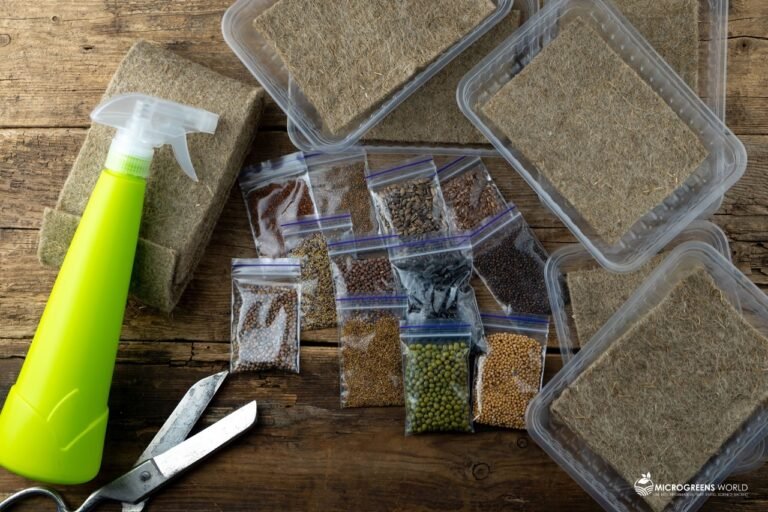
Eight microgreens growing kits tested and ranked for 2026. Prices run from $6.99 to $149. Every kit on this list grows harvest-ready microgreens in 7 to 15 days. Find the right one for your home, budget, and experience level.
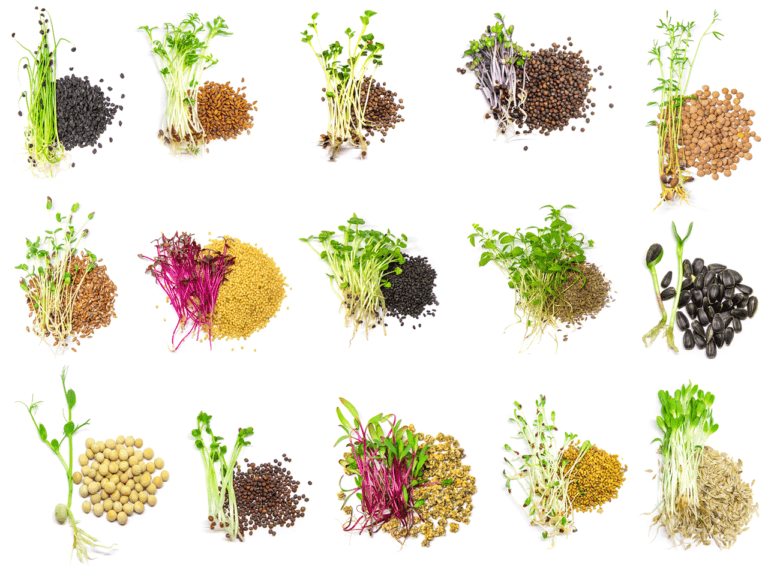
Scientists have identified over 1,500 plant species that can be grown as microgreens. Most seed catalogs show you 15 to 20. Here is the full list, sorted by what is commercially proven, what is worth experimenting with, and what to avoid entirely.
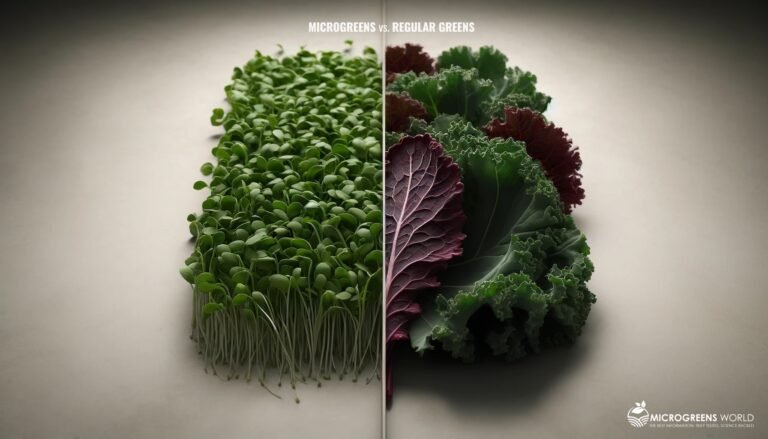
Red cabbage microgreens contain 40 times more vitamin E than mature red cabbage. Radish microgreens show nearly 7 times more vitamin C. But pea shoots only beat mature peas by 1.5x. Here is what the research actually shows, variety by variety.
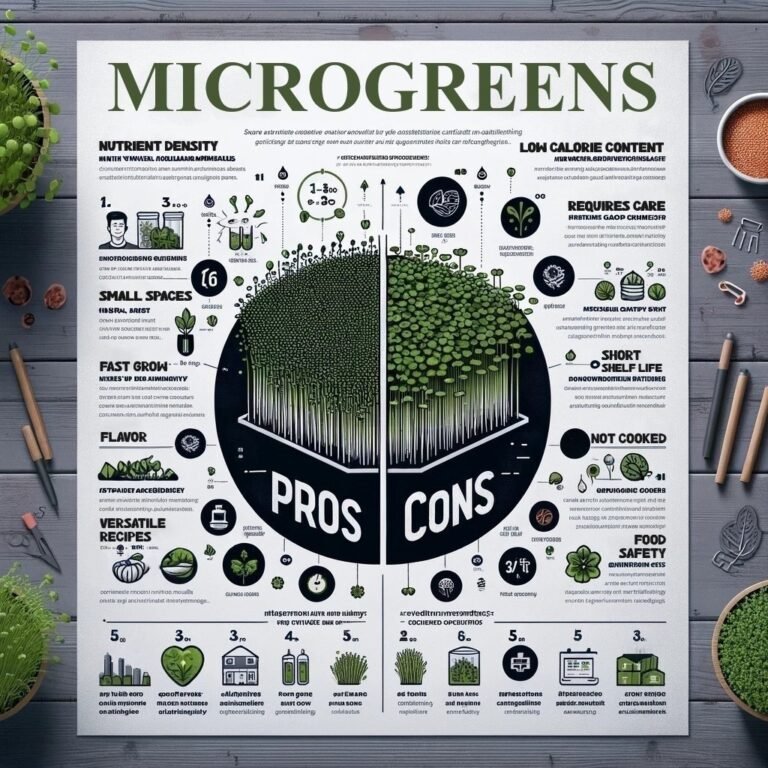
Explore the world of microgreens to uncover the surprising benefits and potential drawbacks, the pros and cons, that may change the way you see these tiny greens.
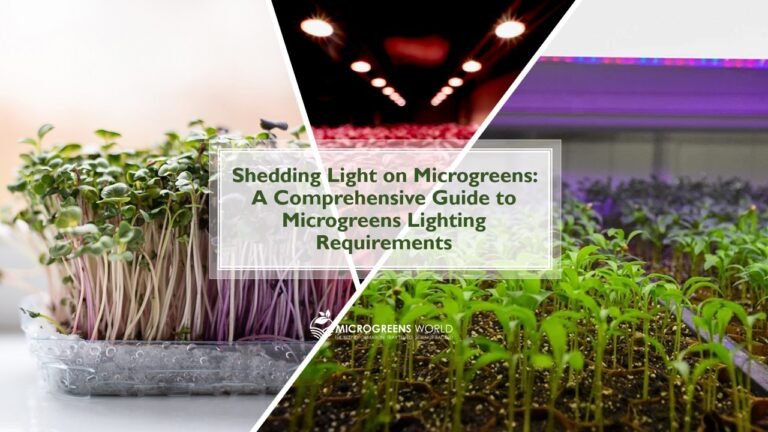
I bought the wrong grow light twice. First on wattage, because wattage was the biggest number on the box. Then on Kelvin, because a blog told me 6500K was closest to sunlight. Both trays came out pale and short, and both times I blamed my seed. It was not the seed, and the 2026 research finally told me why.
No official nutrition table exists for pea shoots, which is why a snow pea pod table has been standing in for one. Here is what the labs actually measured, and how far apart they landed.
My son steamed radishes for dinner one night, and one thin slice was enough. The spice stopped me. Radish microgreens carry the same bite, but the numbers printed for them usually belong to the root. Here is what the labs found in the seedling.
At dinner last Friday with my sister-in-law Lisa, she pointed at the arugula garnish on her salad and asked how to grow microgreens at home. Broccoli and radish germinate in 1 to 2 days and are ready to cut in 5 to 7 days.
have been asked 'how much does it cost to start a microgreens business' hundreds of times. It is the wrong question. Here are the real startup numbers, the ongoing costs, and why buyers come before trays.
Microgreens are rich in phytonutrients, antioxidants, and vitamins such as C, E, and K, which are pivotal in enhancing immune function. These bioactive compounds modulate cellular immune responses, fortifying the body’s defense mechanisms against pathogens. Incorporating microgreens into one’s diet can thus be a strategic approach to bolstering immune health.
Microgreens are becoming a center of many college projects and a much-appreciated addition to school cafeterias. Why is it happening, and how can you set up your own college micro-garden?
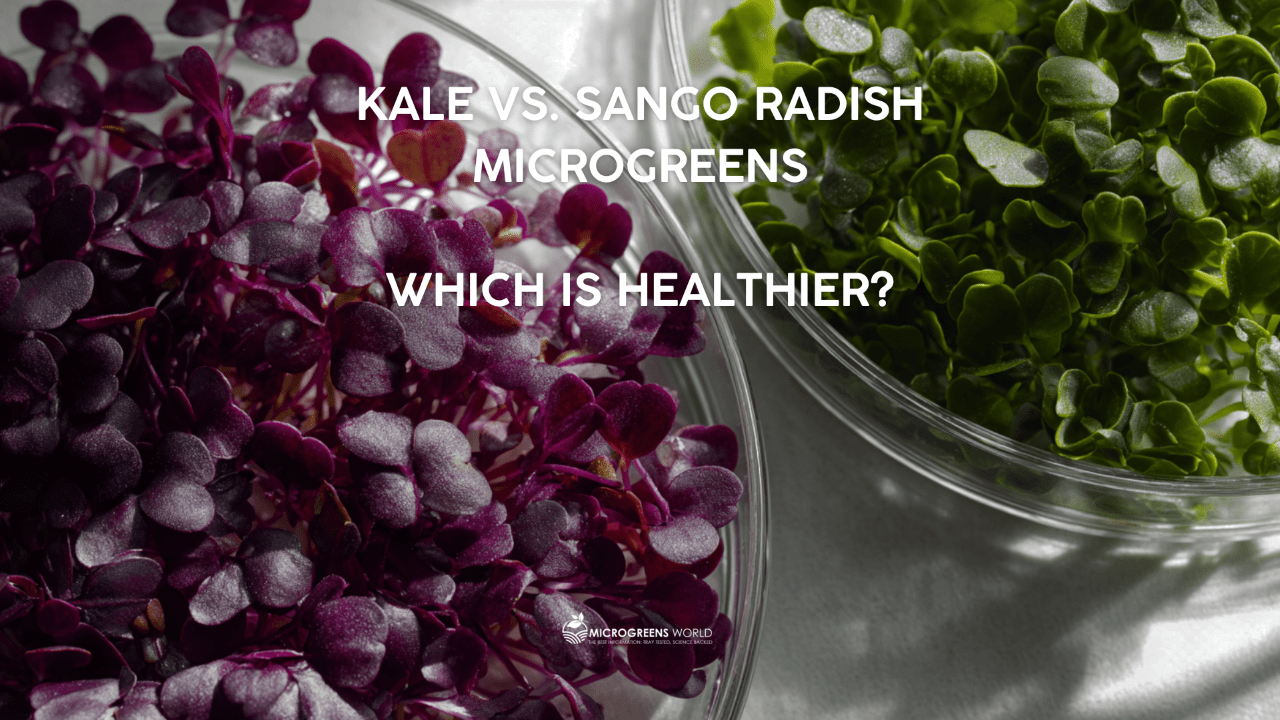
While our ultimate guide to the healthiest microgreens provides a broad overview of the best options available, a fascinating question often comes up: when the top contenders go head-to-head, who wins? It's a great question. Is it better to choose the tried-and-true nutrition of a green like Kale, or the vibrant, antioxidant-rich power of a colorful Sango Radish?
Discover how microgreens farming in schools teaches sustainability through hands-on lessons. Free kits, lesson plans, and setup under $50. Start growing today.
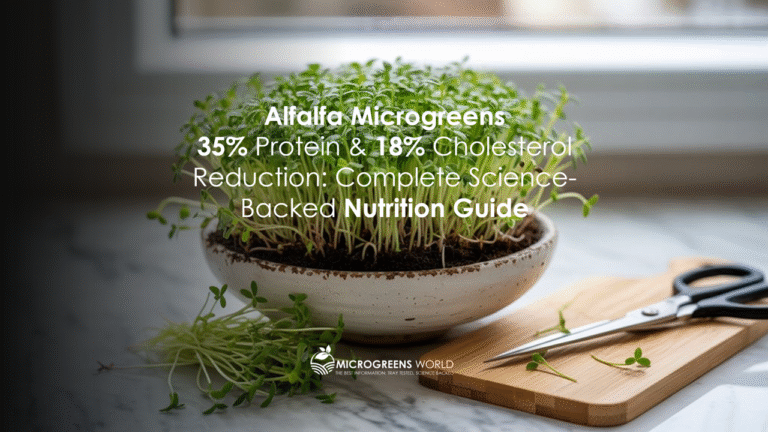
Nutritional powerhouse alfalfa microgreens contain 35% protein and reduce cholesterol by 18%, but their hidden toxin requires specific preparation that most people overlook.
Day 7: Everything's covered in white fuzz. Again. Third parsley microgreens tray this month that looks like it belongs in a biology experiment, not my kitchen.
I went looking for the day somebody first said the word microgreens out loud. I did not find it. What I found instead were two origin stories that cannot both be true, and a stack of repeated numbers that fall apart when you check them. Here is what actually survives.
Beyond regulating metabolism, your thyroid's relationship with cruciferous microgreens might surprise you—especially when you discover their unique interaction.
When you visit any web site, it may store or retrieve information on your browser, mostly in the form of cookies. Control your personal Cookie Services here.