I used to think you needed a backyard and a green thumb to eat well. Then I started growing microgreens on a windowsill and digging into what's actually inside them. The research surprised me, some of these tiny leaves carry far more of certain vitamins than the full-grown vegetable. Here's what the science says, and which ones are worth your tray space.
Microgreens are some of the most nutrient-dense food on the planet, and most home growers eat them happily for years without a single problem. But about once a month, someone like my neighbor Marty asks me a worried question after reading something online. "Are these things actually safe?" Yes, with three specific exceptions worth knowing about.
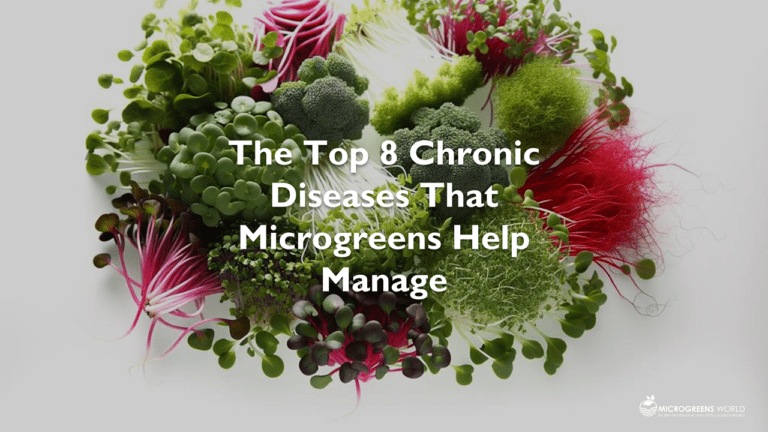
Ancient compounds in certain microgreens may quietly interrupt the inflammation switch driving heart disease, diabetes, and Alzheimer's—but not all varieties work equally.
Red cabbage microgreens contain 40 times more vitamin E than mature red cabbage. Radish microgreens show nearly 7 times more vitamin C. But pea shoots only beat mature peas by 1.5x. Here is what the research actually shows, variety by variety.
Microgreens are rich in phytonutrients, antioxidants, and vitamins such as C, E, and K, which are pivotal in enhancing immune function. These bioactive compounds modulate cellular immune responses, fortifying the body’s defense mechanisms against pathogens. Incorporating microgreens into one’s diet can thus be a strategic approach to bolstering immune health.
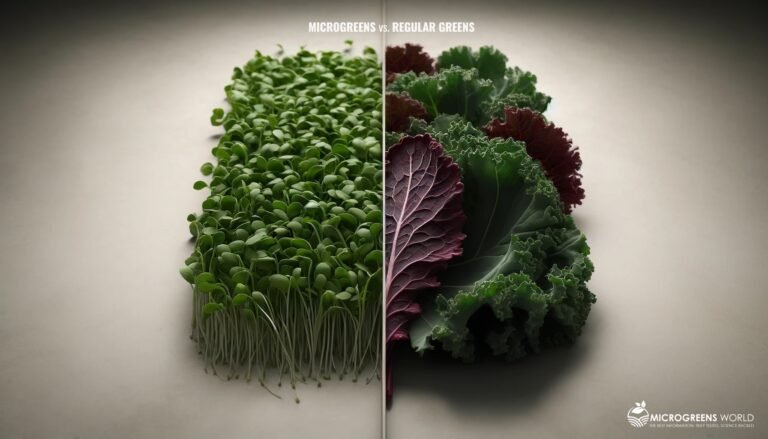
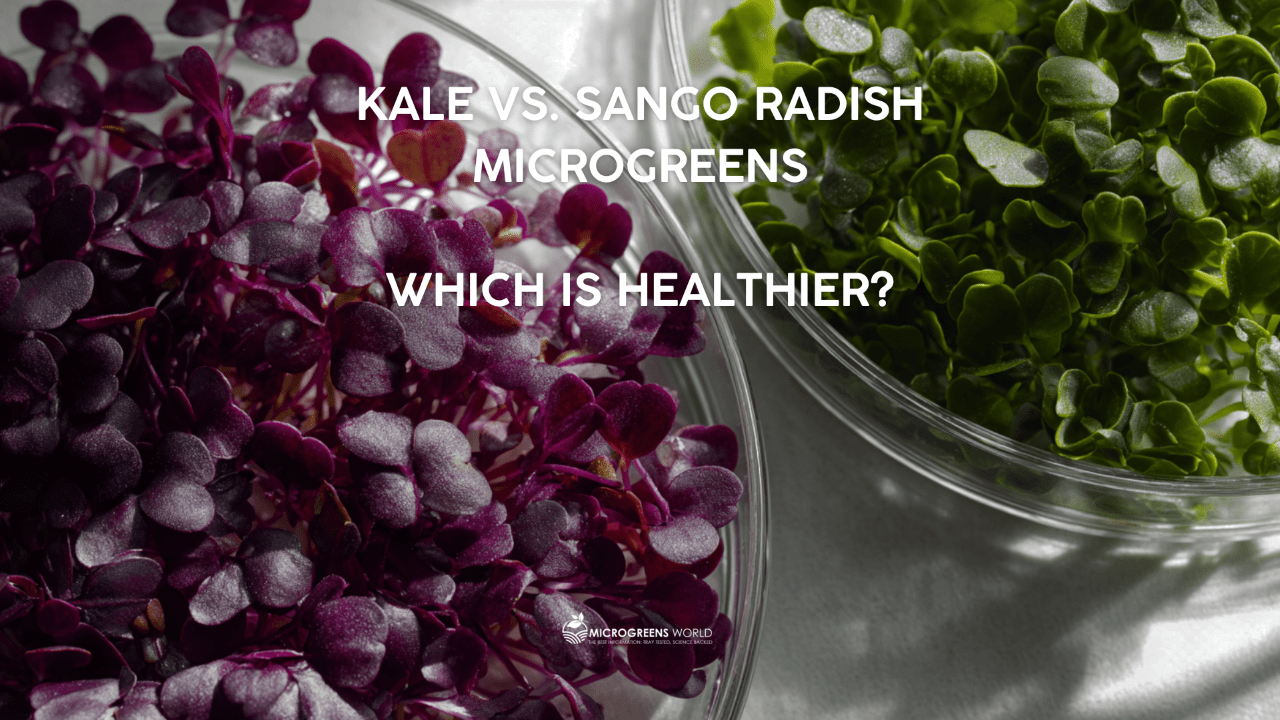
While our ultimate guide to the healthiest microgreens provides a broad overview of the best options available, a fascinating question often comes up: when the top contenders go head-to-head, who wins? It's a great question. Is it better to choose the tried-and-true nutrition of a green like Kale, or the vibrant, antioxidant-rich power of a colorful Sango Radish?
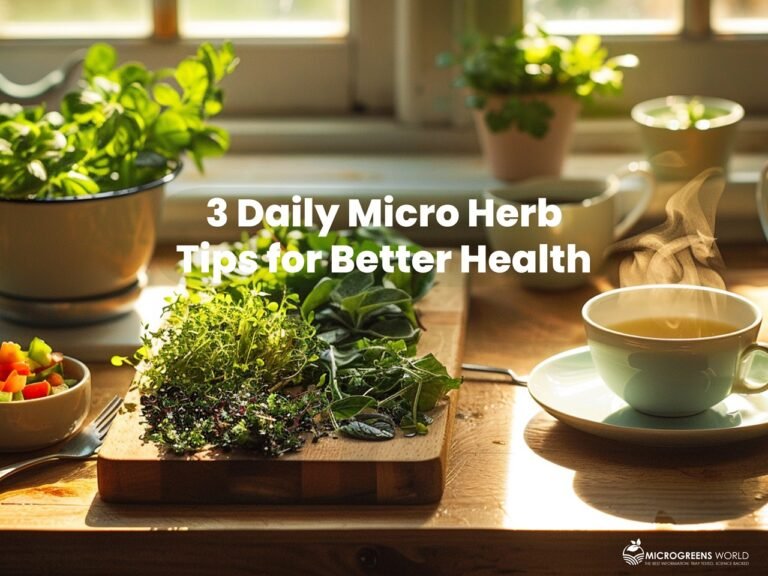
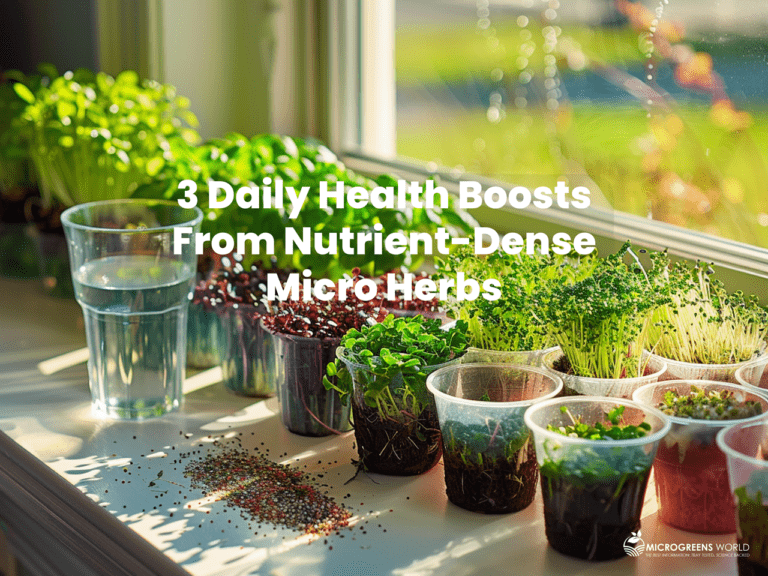
Get ready to supercharge your health with nutrient-packed micro herbs that will transform your daily routine - discover the powerful benefits starting now!
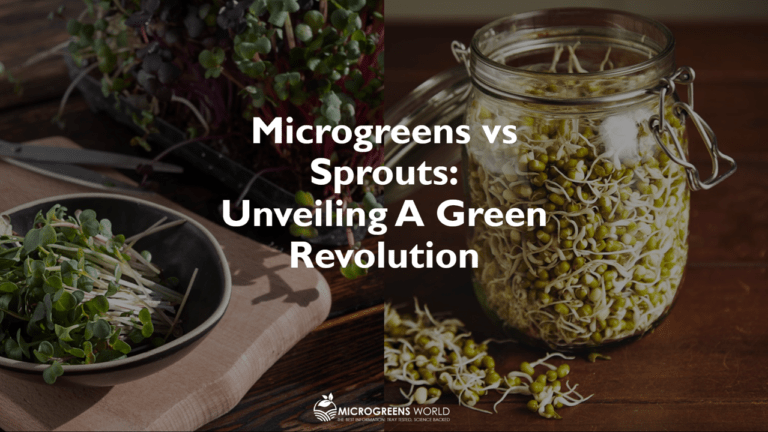
I spent years telling people microgreens win this comparison, and for most crops the evidence still says so. Then I read a 2014 paper that tracked broccoli sprouts day by day and split them into leaf, stem and root. The compound everyone buys broccoli for sits almost entirely in the leaves. The enzyme that acts on it does not, and that changes who wins.
Yes, microgreens can be juiced, and the press does something to them that most juicing pages get wrong. Not all juicers work for microgreens, and not all varieties juice well. This post covers which microgreens to juice, which juicer to use, and what the research does and does not support about what ends up in the glass.
Discover the diverse taste profiles of microgreens. From sweet basil, earthy beet to spicy radish, explore the healthiest microgreens to grow and the best ones to eat!
When you visit any web site, it may store or retrieve information on your browser, mostly in the form of cookies. Control your personal Cookie Services here.