Safe microgreens seeds: what to ask a supplier
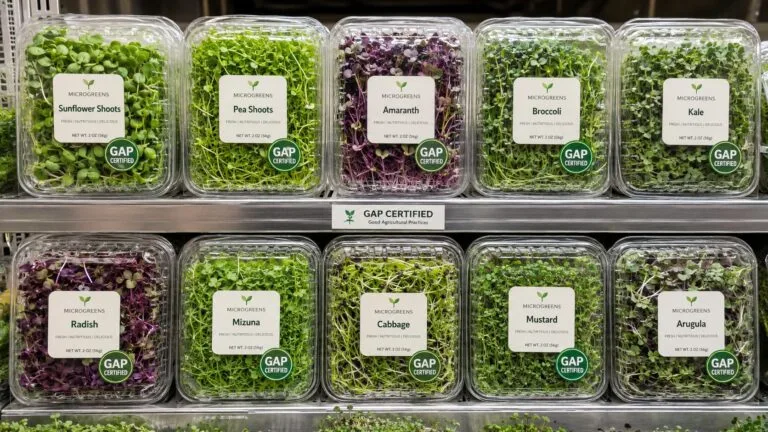
The thing that caught me in the CDC's outbreak report was one patient who named a microgreen mix. It isn't the cause. But it's why I went looking for what a seed bag actually has to tell you.

The thing that caught me in the CDC's outbreak report was one patient who named a microgreen mix. It isn't the cause. But it's why I went looking for what a seed bag actually has to tell you.
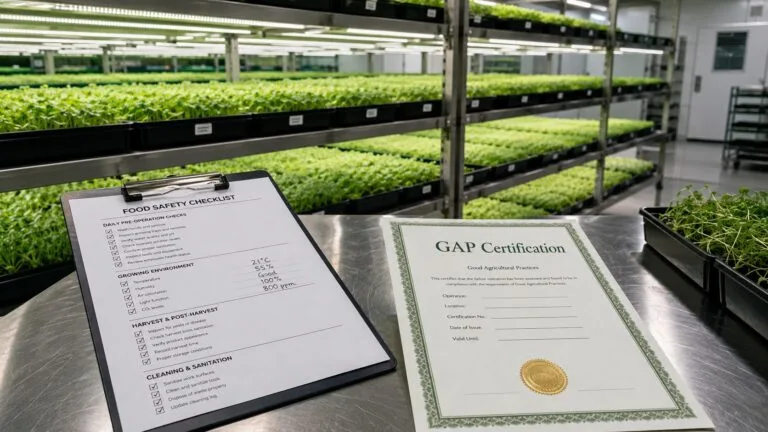
One of my clients called me after a restaurant buyer sent her two questions in the same email: "Are you GAP certified?" and "Are you FSMA-compliant?" She had never heard of either one. The buyer was waiting for an answer. GAP and FSMA cover much of the same ground, but they are separate programs with different administrators, different legal weight, and different consequences for your operation.
Most commercial microgreens growers qualify for the FSMA exemption. A new peer-reviewed study from Purdue University shows exactly what that exemption costs them, in liability exposure, in wholesale market access, and in business growth. Thirty growers. Five focus groups. The findings are not what most people expect.
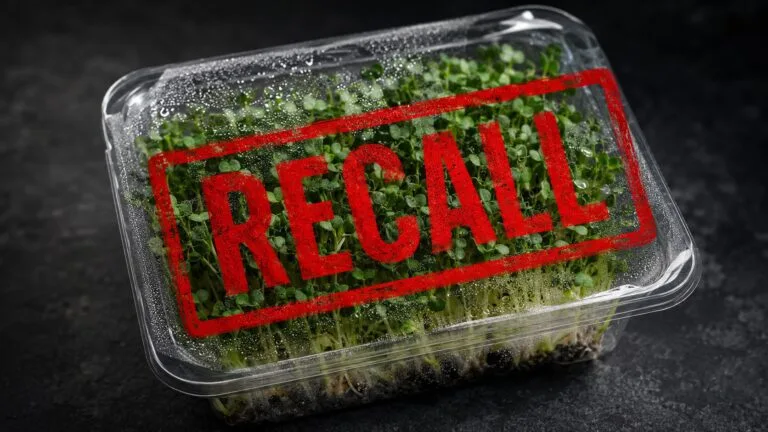
I track food safety events in microgreens because growers deserve more than headlines. When four Canadian brands were caught in a microgreens recall inside of nine days in May 2026, I traced the event back to its source. What I found is less about any individual operation and more about a gap that most microgreens growers share.
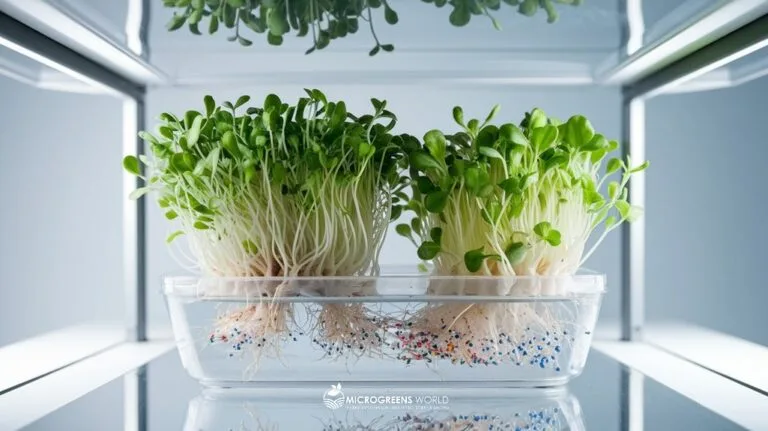
Microgreens absorb microplastics through their roots—but are they still safe to eat? Discover the latest research on nanoplastic contamination and how to reduce your risk.
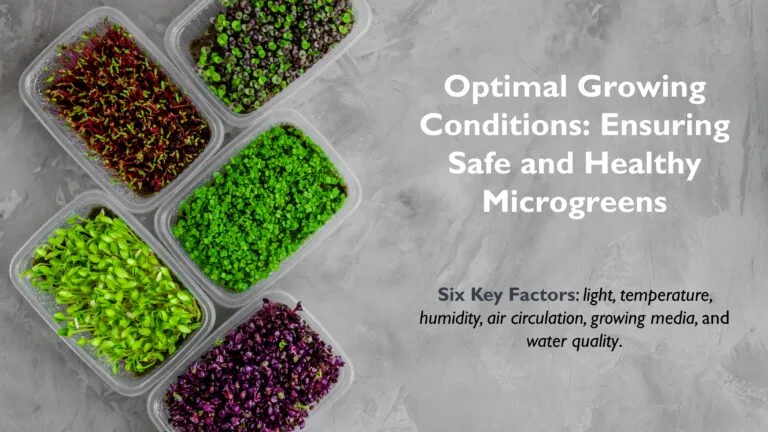
Learn crucial environmental factors and proven techniques that transform your microgreens from risky ventures into thriving, nutritious harvests.
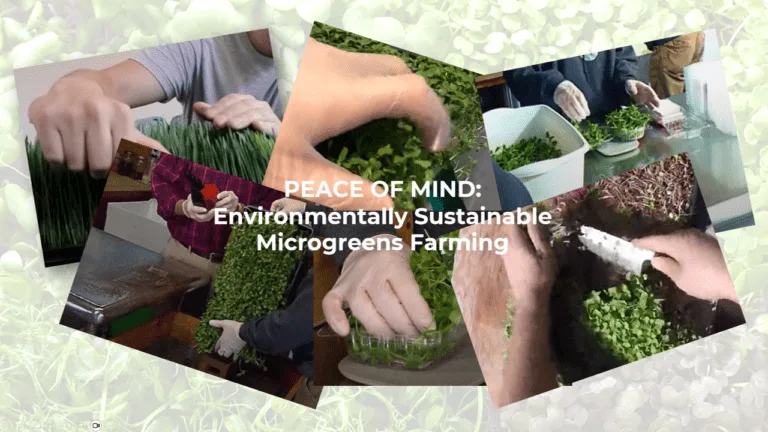
Learn essential food safety practices for microgreens farming, from basic protective measures to advanced growing techniques. Discover why 50% of farms fail and how to ensure your success.
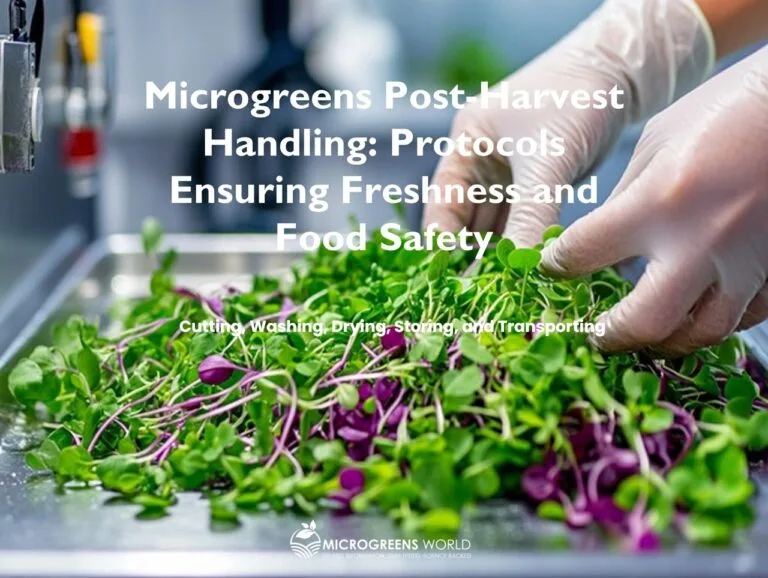
Successfully managing microgreens after harvest requires precise handling, but what many growers don’t realize can drastically impact their crop’s quality.
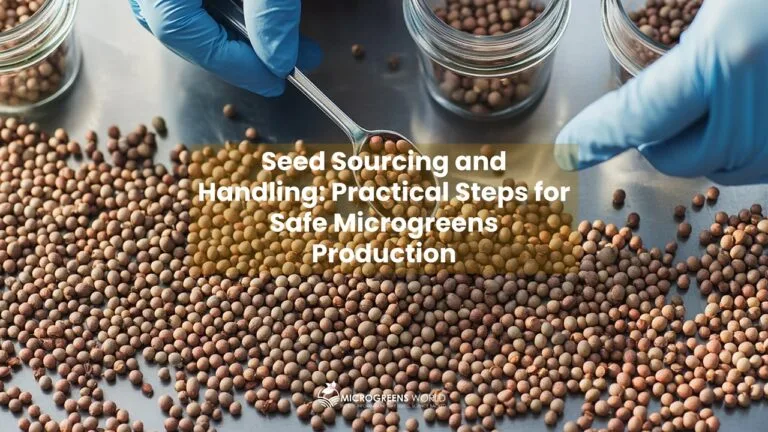
Growers can transform their microgreens operation through proper seed selection and handling, but one crucial mistake could ruin everything.
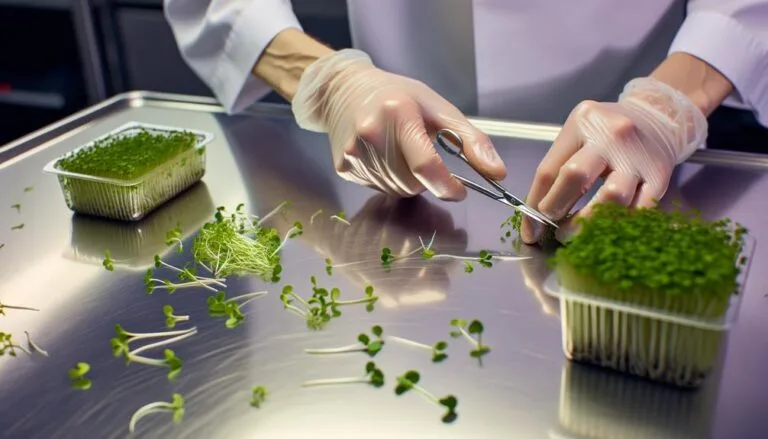
Protect your microgreens business by implementing essential food safety practices, from seed selection to post-harvest handling, and ensure customer well-being.
When you visit any web site, it may store or retrieve information on your browser, mostly in the form of cookies. Control your personal Cookie Services here.
