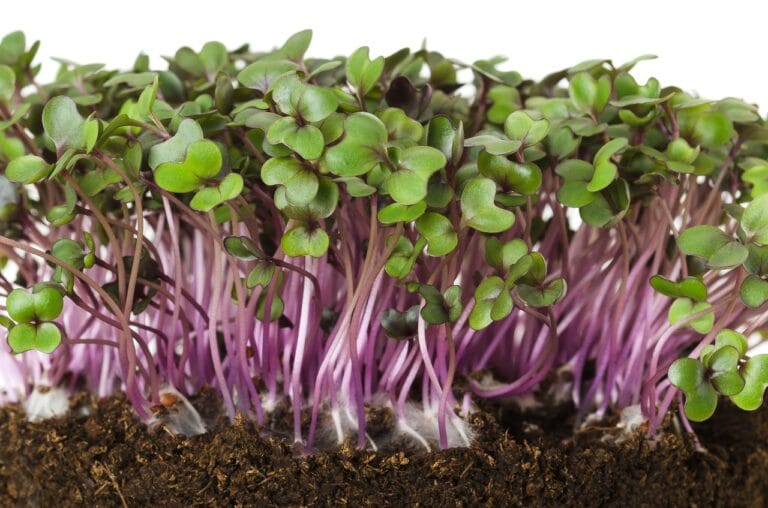
Four microgreens brands. Nine days. One seed lot.
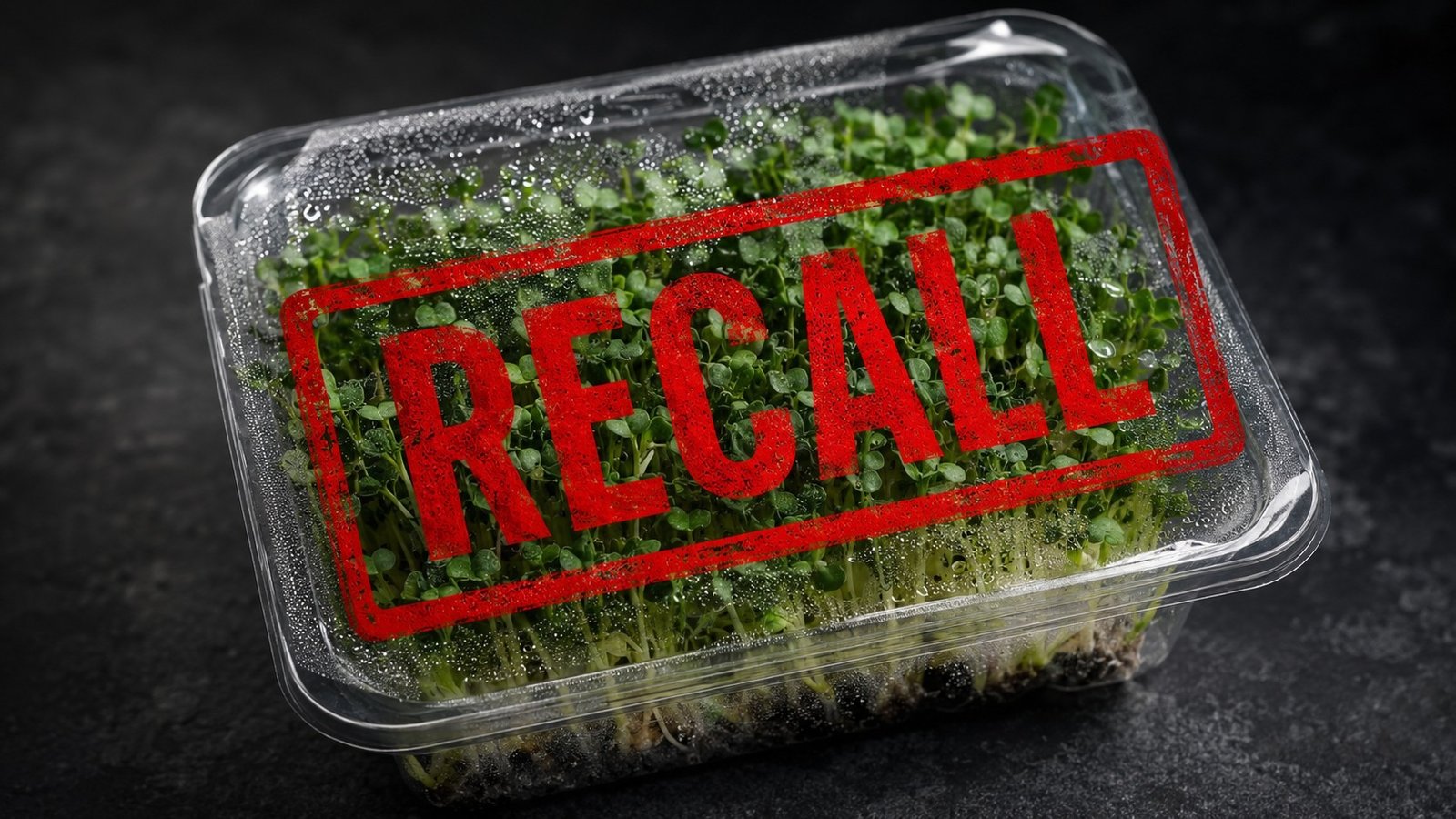
That is the short version of what happened in Canada in May 2026. Kyan Culture and Farm Boy brand microgreens were pulled from shelves on May 15. Micro Verdure followed on May 20. Les Fermes Lufa on May 21. All four were Canadian Food Inspection Agency (CFIA) Class 1 recalls. That is the highest severity rating the Canadian Food Inspection Agency issues. It means the agency believes there is a reasonable probability that consuming the product will cause serious adverse health consequences.
My name is Andrew Neves. I hold a PCQI credential (Preventive Controls Qualified Individual), and I cover microgreens food safety for Microgreens World. When a microgreens recall cascades across four brands in nine days, I go back to the source documents and trace where the system broke down.
This is what I found.
KEY TAKEAWAY
In May 2026, the CFIA issued Class 1 recalls for microgreens from four separate operations in Ontario and Quebec. The contamination traced to a single broccoli seed lot from supplier Germina (Lot BRR18), itself recalled on May 6 after an international contamination event. No illnesses were reported. Growers with documented supplier records responded fastest (CFIA, 2026).
Below, I trace the full recall timeline, follow the contamination back to its source, and explain what documented food safety controls could have changed about this outcome.
What actually happened in the 2026 Canadian microgreens recall?
The first recall notice came on May 15, 2026. Kyan Culture Inc., a Quebec-based grower, triggered the recall voluntarily. Their products were sold under two labels: the Kyan Culture brand and as private-label products for the Ontario grocery chain Farm Boy. Six SKUs were recalled, all 65-gram packages: Organic Broccoli Microgreens, Organic Mild Mix, and Organic Spring Mix under both brand names, distributed in Ontario and Quebec. Best-before dates ran through May 22.
Five days later, on May 20, Micro Verdure brand microgreens were recalled in Quebec. Three products: Broccoli (80g), Summery Fusion (150g), and Spicy Trio (80g), all with best-before dates of May 15 and May 22. The following day, Les Fermes Lufa in Montreal recalled their 50-gram broccoli microgreens, which had been sold online and in stores from April 20 through May 8.
In each case, the grower triggered the recall voluntarily. That matters. The CFIA did not find contamination at retail and issued orders. The growers identified the source themselves and reported it. That is the system functioning as designed.
But it raises a question central to any microgreens recall that rarely gets asked directly: how does one contamination event touch four separate operations?
The answer is one word: seeds.
How does a contaminated seed lot cascade into multiple brand recalls?
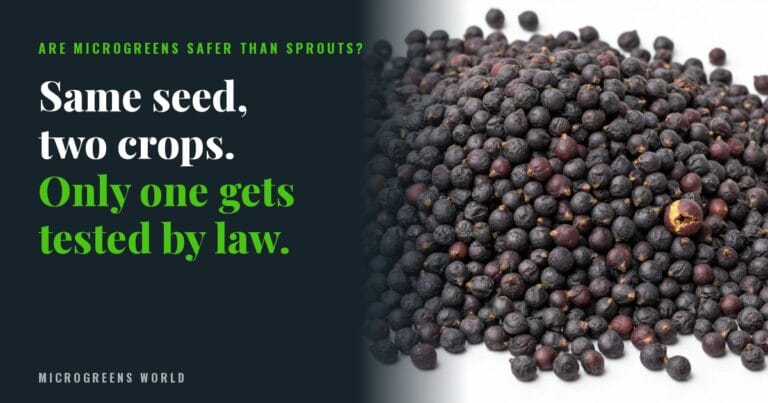
Nine days before the Kyan Culture recall, the CFIA had already issued a recall for Germina brand broccoli seeds. Posted May 6. Lot number: BRR18. The seeds were available in sizes from 60-gram retail bags up to 20-kilogram bulk. The CFIA notice stated the recall was triggered by a recall in another country.
Germina is a seed supplier. Their contaminated broccoli seeds, Lot BRR18, had already been distributed to multiple growers. Those growers grew the crop. The crop reached the market. Then the cascade began.
Les Fermes Lufa received a voluntary recall notice directly from Germina on May 8. They stopped selling that day. Their CFIA recall notice came thirteen days later.
Kyan Culture and Micro Verdure were sourced from the same contaminated lot. The CFIA confirmed the connection directly: the Micro Verdure recall notice lists the Germina seed recall under “Related recalls and alerts.” Their recalls followed within two weeks of the Germina notice.
One seed lot. One international contamination event upstream. Four recall notices across Canada in nine days.
This is how a microgreens recall spreads from one supplier across an entire category. The hazard rarely starts in your grow room. It arrives on your scale when you open the seed bag.
Why are broccoli seeds a higher-risk input than most microgreens growers realize?
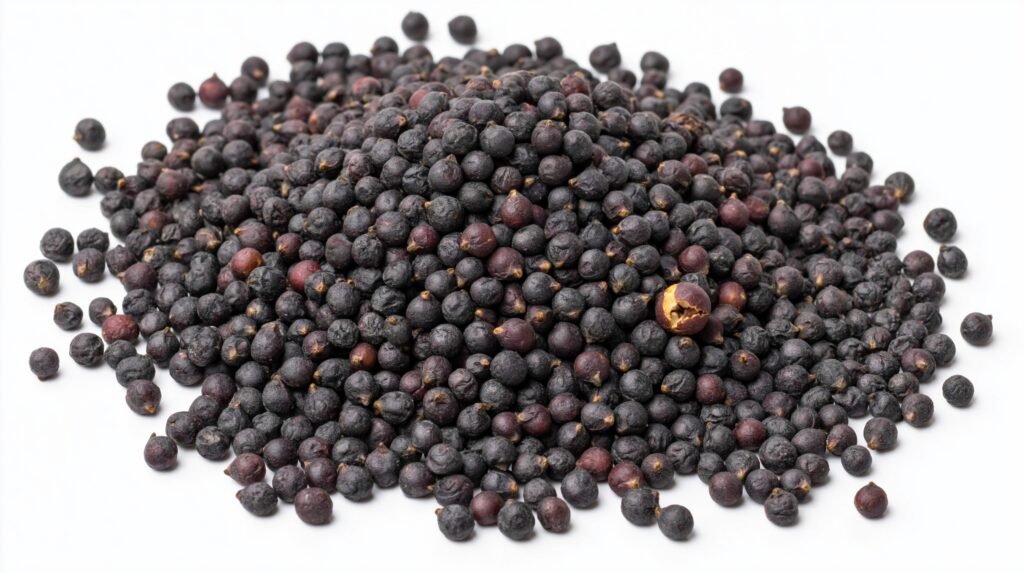
Not all seeds carry the same risk profile. Broccoli is among the higher-risk crops in the microgreens category, and the reason is documented.
Broccoli belongs to the Brassica family, the same seed group used to produce commercial sprouts. The FDA and USDA have identified Brassica seeds as a recurring contamination source in fresh produce safety investigations. The warm, humid conditions that accelerate broccoli microgreens germination also create an environment where pathogens present on the seed surface can establish and multiply before harvest.
The timing problem is what makes seed-borne contamination particularly difficult. By the time you cut, contamination introduced at seeding has had seven to fourteen days to develop. The contaminated product looks and smells normal. That phrase appears in every CFIA and FDA microgreens recall notice for a reason.
This is why seed sourcing is the first critical point in a microgreens food safety framework, not a secondary concern. What you plant determines what you sell. No amount of sanitation at harvest corrects a contamination that arrived in the bag.
What would a documented food safety system have changed about this outcome?
For the growers caught in this recall, the core problem was not something they did wrong in their grow room. The problem was that a contaminated seed lot reached them without a documented trail that would have triggered faster action.
A written supplier verification program is a basic component of a fresh produce food safety plan. It requires documenting seed suppliers, lot numbers, and receipt dates for every purchase. When a supplier recall comes in, as Germina’s did on May 6, a grower with lot tracking in place can answer in minutes: Did we use Lot BRR18? Where is it in our operation right now?
Les Fermes Lufa could answer that question. Germina contacted them directly on May 8. They stopped selling the same day.
For a grower without lot documentation, the process is slower and less certain. You know you bought broccoli seeds. You may not know which lot or which seed is currently in your grow room.
That gap is not a failure of care. It is a gap in documentation. And in a microgreens recall, documentation is the difference between a same-day stop-sell and your company name on a public CFIA notice.
Assessment · five minutes · anonymous
Which documents would a buyer ask you for?
The Food Safety Gap Assessment walks your operation and shows the paperwork you don’t have written down yet. It costs nothing to find out where you stand.
Could this happen to a microgreens grower in the United States?
Yes. For exactly the same reason.
US microgreens operations use many of the same seed suppliers as Canadian growers. Germina is distributed across North America. If Lot BRR18 crossed the border, a US grower using that seed would face an identical contamination risk with no CFIA recall alert reaching them.
The FDA’s system works differently. Federal rules under FSMA require supplier verification and traceability documentation for operations above a certain revenue threshold. Most small microgreens operations fall below that threshold. Below it, the documentation requirement is lighter.
That does not mean the risk is lower. It means the required documentation is lighter. Those are not the same thing.
A US grower who sources Brassica seeds, keeps no written lot records, and has no supplier verification protocol faces the same exposure that played out in Canada in May 2026. The CFIA recall would not appear in their inbox. There would be no supplier phone call. There would only be products already in the market.
A microgreens recall is not a Canadian problem. It is a fresh produce problem that crosses borders as easily as seeds do.
Wrap-up: What the 2026 Canadian microgreens recall tells us
Four recalls. One seed lot. The failure point was upstream, not in the grow room.
The growers caught in this event were not operating carelessly. They were operating without documentation of what most small growers never think to track: which seed lot they planted and where it came from.
That documentation is the difference between a supplier phone call on May 8 and a Class 1 recall notice on May 15. Between an internal stop-sell and a public listing on the CFIA database.
The question every grower should be sitting with right now is not whether their seeds are safe today. It is whether they have a system in place that could tell them, with certainty, what they planted and where it came from.
If that answer is uncertain, that is the gap. It is the most common gap that leads to a microgreens recall, and the most straightforward one to close. The Comprehensive Food Safety for Microgreens Guide is built around exactly this kind of documentation: what it is, why it matters, and how to put it in place before you need it.
Every food safety article in one place: food safety for microgreen growers, grouped by seed, growing, harvest, records, rules and recalls.
Frequently asked questions
Should I stop buying broccoli microgreens seeds because of this recall?
No. Broccoli remains one of the most commercially valuable microgreens crops. The issue was not the crop category itself but a specific seed lot from a specific supplier. The practical takeaway is to document which supplier and which lot number you are using at any given time, so you can respond quickly if a future microgreens recall touches your operation.
How do I find out if a seed lot I purchased has been recalled?
In Canada, check the CFIA recalls and safety alerts database at recalls-rappels.canada.ca. In the United States, check the FDA’s recall database at fda.gov/safety/recalls-market-withdrawals-safety-alerts. Search for your seed supplier name and variety. The faster path is to register directly with your seed supplier for recall notifications, which is standard practice for commercial food producers.
Has E. coli contamination in microgreens happened before, or is this new?
It is not new. The fresh sprout industry has dealt with recurring Brassica seed contamination events since at least the 1990s. Microgreens share the same seed supply chain as sprouts and carry similar upstream risk. The 2026 Canadian event is the most significant cluster of microgreens recalls in recent years, but the underlying mechanism — contaminated seed reaching multiple growers from a shared supplier — has precedent.
What is the difference between a food safety plan and GAP certification for microgreens growers?
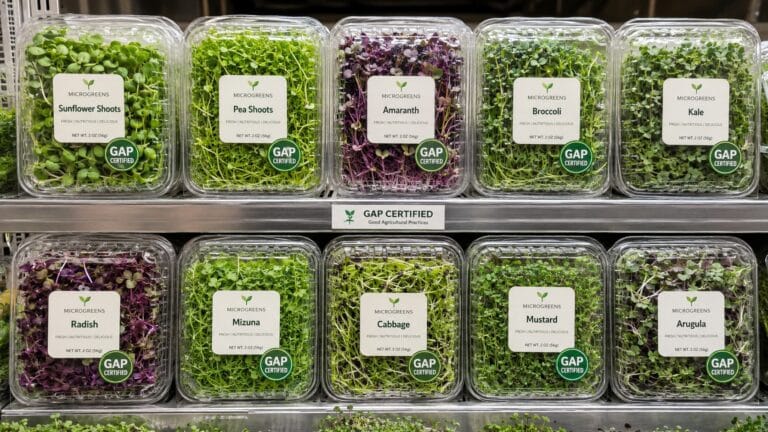
GAP (Good Agricultural Practice) certification is a third-party audit against a defined set of on-farm practices. A food safety plan is an internal documented system that identifies hazards, names the controls in place, and records that those controls are functioning. GAP certification demonstrates compliance with a standard. A food safety plan is the management system that keeps the farm compliant between audits. The two work together.
If I am a small grower, do I legally need a supplier verification program?
In the United States, full FSMA Preventive Controls requirements apply above a certain revenue threshold, and most small microgreens operations fall below it. Below the threshold, formal supplier verification is not federally required. However, the 2026 Canadian microgreens recall demonstrates that the risk exists regardless of regulatory status. Documentation is a business protection tool, not just a compliance checkbox.
What are the symptoms of E. coli infection from contaminated produce?
Symptoms typically appear two to eight days after exposure and include severe stomach cramps, diarrhea that is often bloody, and, in some cases, fever. Most people recover within five to seven days. In approximately five to ten percent of cases, infection progresses to hemolytic uremic syndrome (HUS), a potentially life-threatening kidney complication. Anyone who has consumed the recalled product and develops these symptoms should seek medical attention and mention the possible exposure (CDC, 2024).
References
Canadian Food Inspection Agency. (2026, May 6). Germina brand “Brocoli Calabrese” seeds recalled due to pathogenic E. coli (RA-82039). Government of Canada. https://recalls-rappels.canada.ca/en/alert-recall/germina-brand-brocoli-calabrese-seeds-recalled-due-pathogenic-e-coli
Canadian Food Inspection Agency. (2026, May 15). Kyan Culture brand and Farm Boy brand organic microgreens recalled due to pathogenic E. coli (RA-82090). Government of Canada. https://recalls-rappels.canada.ca/en/alert-recall/kyan-culture-brand-and-farm-boy-brand-organic-microgreens-recalled-due-pathogenic-e
Canadian Food Inspection Agency. (2026, May 20). Micro Verdure brand microgreens recalled due to pathogenic E. coli (RA-81863). Government of Canada. https://recalls-rappels.canada.ca/en/alert-recall/micro-verdure-brand-microgreens-recalled-due-pathogenic-e-coli
Canadian Food Inspection Agency. (2026, May 21). Les Fermes Lufa brand broccoli microgreens recalled due to pathogenic E. coli. Government of Canada. https://www.cbc.ca/news/canada/montreal/recall-microgreens-quebec-ontario-9.7207984
Centers for Disease Control and Prevention. (2024). E. coli (Escherichia coli): Symptoms and diagnosis. U.S. Department of Health and Human Services. https://www.cdc.gov/ecoli/symptoms.html