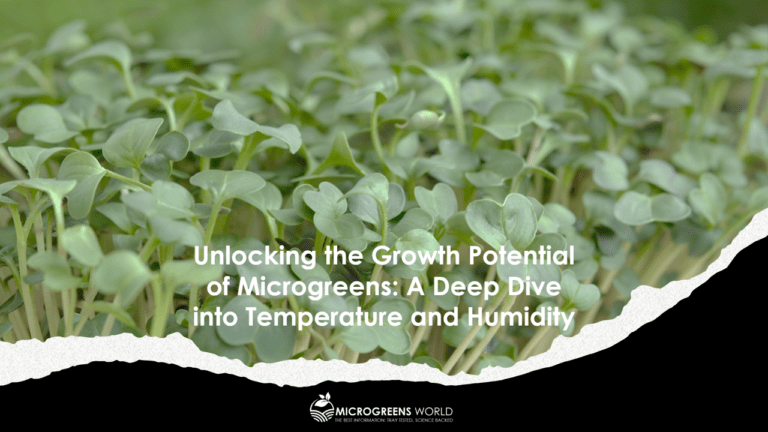
Most microgreens grow best in the 60°F to 75°F (15°C to 24°C) temperature range. The sweet spot ensures they germinate efficiently, soak up sunlight for photosynthesis, and grow into healthy plants. So, if you want your microgreens to flourish, you’ve got to keep an eye on those temperature and humidity levels.
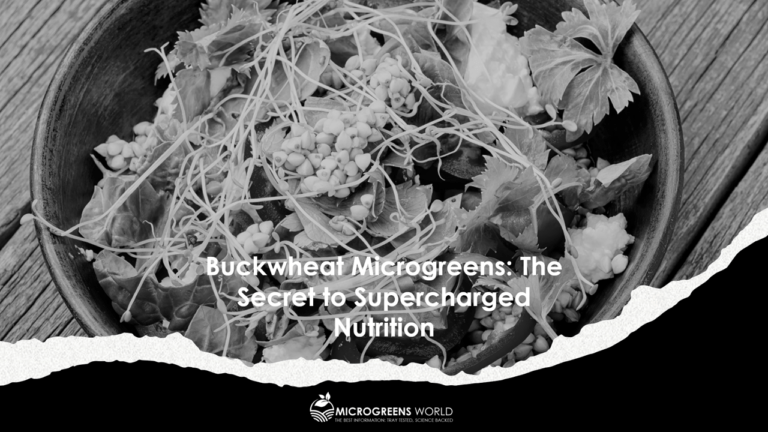
Buckwheat microgreens possess an impressive nutritional profile. Studies have shown that they are a rich source of vitamins B, E, and K and minerals such as calcium, Copper, iron, magnesium, manganese, sodium, phosphorus, potassium, and zinc. They are also high in carotenoids, flavonoids, antioxidants, and α-tocopherol contents. They also have dietary fiber, which aids digestion and promotes a healthy gut.
When Steven and I started jPure, our marketing was as green as our sprouts. We had no idea who our customers were or how to reach them. Here is what we learned about marketing microgreens, so you can skip the guesswork.
Once cotyledons have fully developed and the first true leaves begin to emerge, it is when to eat microgreens. Fast-growing microgreens like arugula take 8-15 days to harvest. Slow-growing microgreens like alfalfa can take 16-25 days. Eat microgreens immediately after harvest (1-2 days). The shelf-life ranges from 5–10 days under proper storage conditions (washed and refrigerated). Microgreens are best eaten raw.
Spinach microgreens are filled with lots of nutrients such as Vitamins A, C, E, and K, minerals such as iron, calcium, potassium, folate, oxidants, and essential plant compounds such as lutein, zeaxanthin, and nitrates. Spinach microgreens are also a good fiber and protein source, containing about 21 calories, adding to your daily calorie needs.
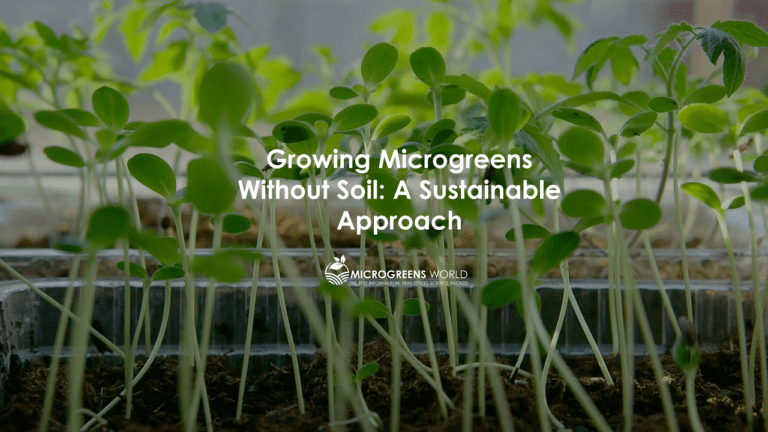
Growing microgreens without soil allows you to utilize alternative mediums such as hydroponics, biodegradable mats, coconut coir, vermiculite, and perlite methods. These approaches allow for better control over moisture levels, pH balance, and nutrient intake, resulting in faster growth and higher yields. Moreover, the absence of soil makes for a cleaner and more efficient way to cultivate microgreens.
My bank asked for one. So did the SBA, and so did my wife. A microgreens business plan is the document that turns "I want to sell microgreens" into a business someone will fund. Here is what goes in one, why each piece matters, and the fastest way to get yours on paper.
Discover the symbiotic bond between local microgreen farms and restaurants working to source healthy, fresh, and sustainable ingredients together. Read more here.
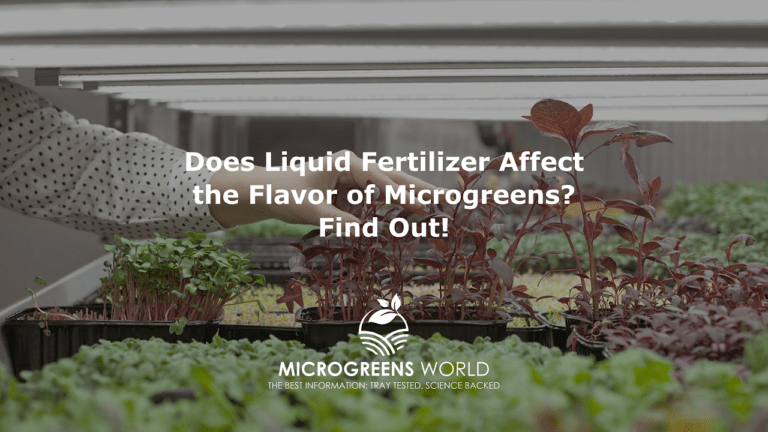
Will liquid fertilizer make the microgreens taste bad? Some liquid fertilizers can be high in salts, affecting microgreens' flavor and texture. However, liquid fertilizers can enhance microgreens' flavor if used correctly and in moderation by providing the nutrients necessary for healthy growth. Choosing a high-quality liquid fertilizer and following the recommended dilution rates is essential. Additionally, it's an excellent idea to taste-test your microgreens periodically to ensure they maintain their desired flavor profile.
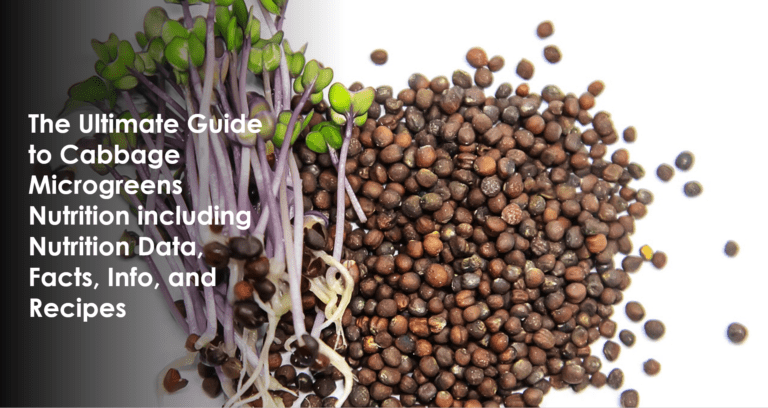
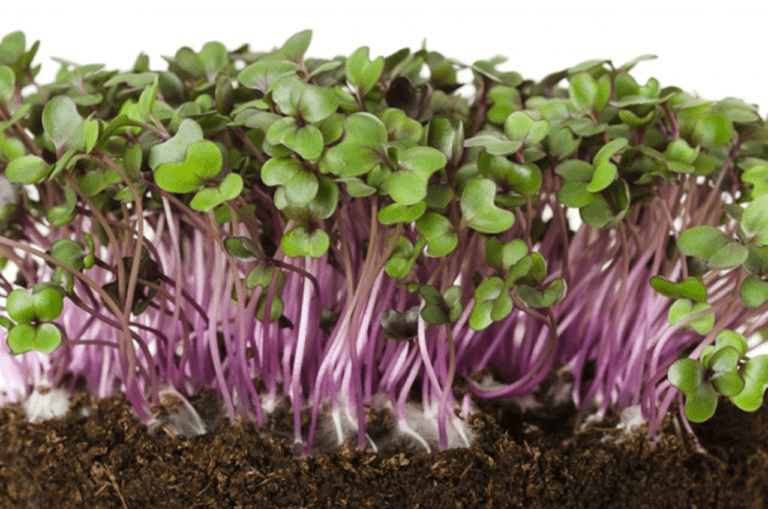
Growing up, steamed cabbage with cod fish was a staple on my plate. Years later I put a handful of red cabbage microgreens on the same dish and wondered what the seedling had that the head did not. So I read every paper that measured it. One laboratory measured it twice and got two very different numbers, and that is the story.
Radish, arugula, broccoli, sunflower, kale, beet, pea, spinach, and mustard microgreens are highly nutritious, containing essential vitamins A, B, C, E, K, minerals calcium, iron, magnesium, and potassium, sulforaphane, and antioxidants such as anthocyanins and quercetin, beta-carotene and lutein.
It was Stephen who first put microgreens in front of me, at his wife's 50th birthday dinner in Atlanta. A colorful salad, a peppery bite, and five minutes later I was hooked. Today we run JPure Farms and Microgreens World, and this is my best growing method from the farm, start to harvest in about ten days.
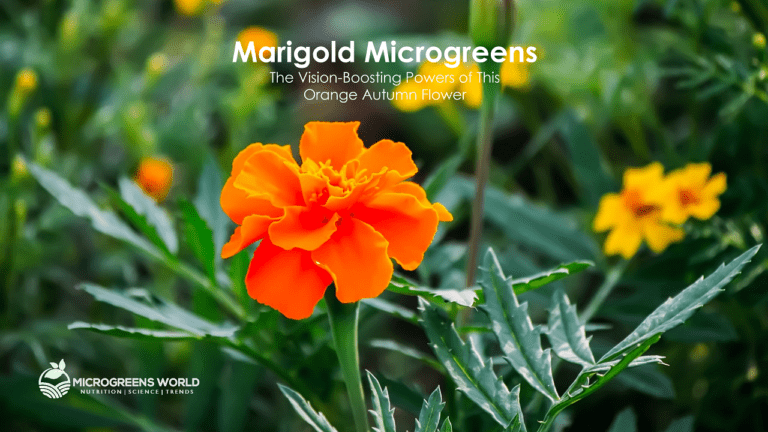
Marigold microgreens are a variety of edible orange autumn flowers used for centuries to make herbal teas. They contain two vital and rare carotenoids, lutein and zeaxanthin, that are vision detoxifiers of an eye-damaging kind of oxygenation called reactive oxygenated species or ROS toxins.
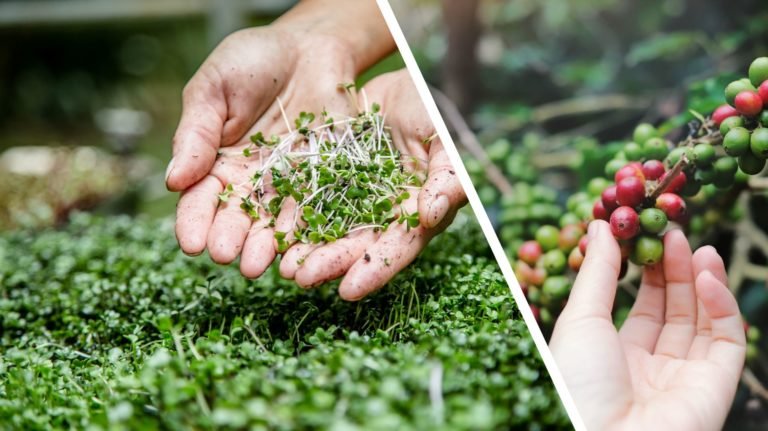
How could I be talking about connoisseur coffee and arugula microgreens in the same sentence? Let's do some math. One pound of the very best coffee in the world will cost you USD 70 ex shipping. One pound (16 one-ounce boxes) of arugula microgreens will set you back USD 107! "What?!" you say.
Once they get up into the International Space Station (ISS), they need lots of exercise and lots of nutrients. Brassica microgreens are the most nutritious food candidates for astronauts.
Running is undoubtedly one of the simplest methods to get the benefits of physical exercise since it is inexpensive and readily available. Running promotes cardiovascular health, muscular strength, and bone density. In addition to these physical advantages, running has also been linked to enhanced mental health.
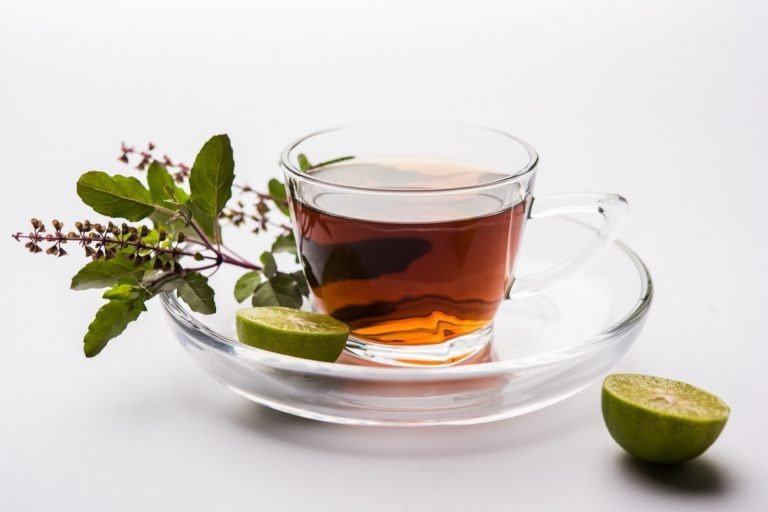
I’m finding myself drinking more tea as it gets colder. And I thought I’d experiment a little with some microgreens tea blends. I wanted to share five of these blends with you.
We created this microgreens recipe post to celebrate 15 countries worldwide whose residents visited our site, bought our books, or subscribed to our newsletter.
Self-driving cars are almost here. But did you know about self-growing farms? New Zealand based Autogrow has entered the EU market in the Netherlands, and big things are about to happen. Did you know that the Netherlands has been recognized by the World Economic Forum as a leader in efficient and sustainable agriculture? And did you know they are the second-largest exporter of agricultural products in the world, after the USA?
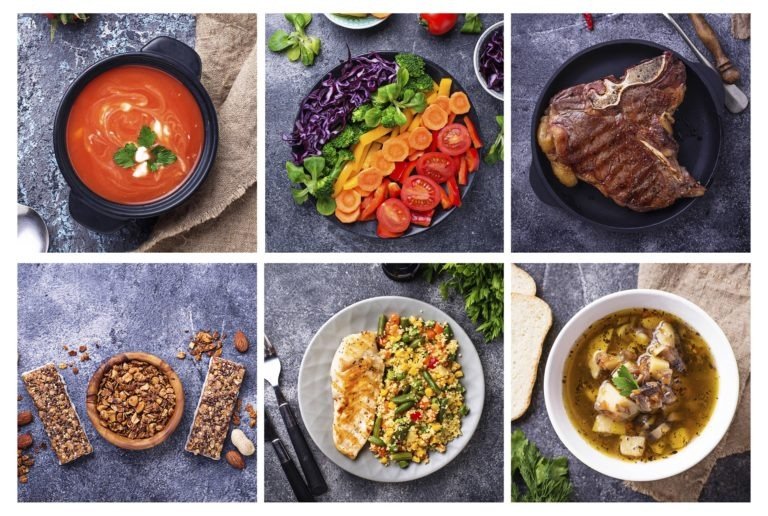
Making food and grocery choices for our families can be stressful and confusing sometimes. Microgreens versus vegetables are no exception.
Sometimes we have to make the difficult choice between cost and nutrition.
Other times it’s done, we travel across town or stay in the neighborhood.
And in this busy world, it’s down to do we make a quick dinner or spend an hour in the kitchen after a long day.
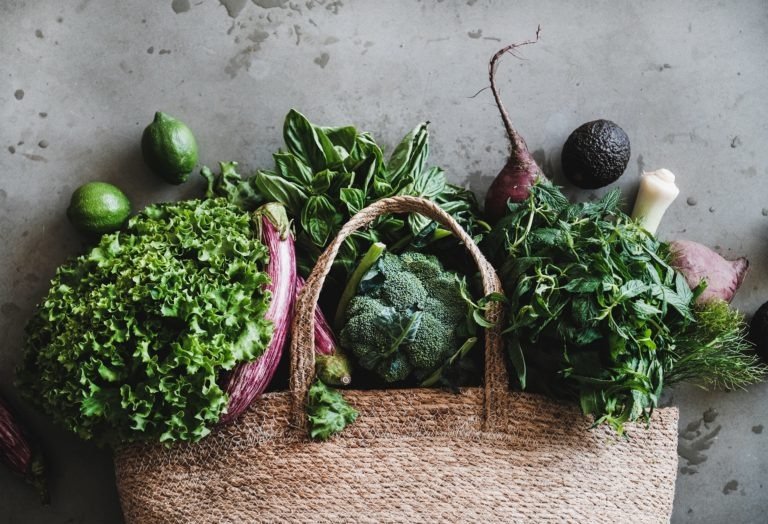
My sister-in-law called me last week to ask me about microgreens versus baby greens.
The family was moving to a more plant-based diet.
She was making a superfood salad and wanted to know whether to use microgreens or baby greens.
She knew I was growing microgreens.
Which would be better?
What makes microgreens so nutritious? Can microgreens give my body immunity? Can microgreens be the superfood that can help reverse my chronic ailments?
Here is why, along with research-backed information to help you integrate super microgreens into your everyday nutrition.
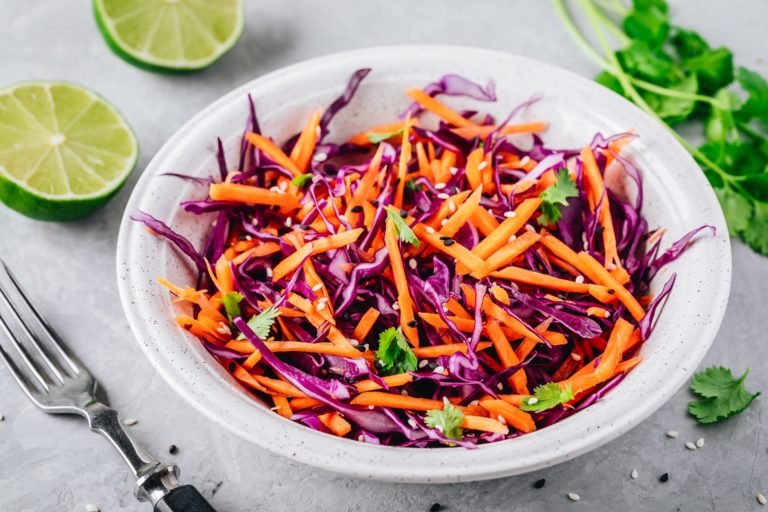
Have you ever shredded carrots to make muffins, carrot cake, or just a fancy addition to your latest dish?
Shredded carrots look like confetti, don’t they?
And carrots are bright orange, yes?
Don’t you want to know why carrot microgreens don’t look anything like carrots or strings of carrot confetti?
When you visit any web site, it may store or retrieve information on your browser, mostly in the form of cookies. Control your personal Cookie Services here.