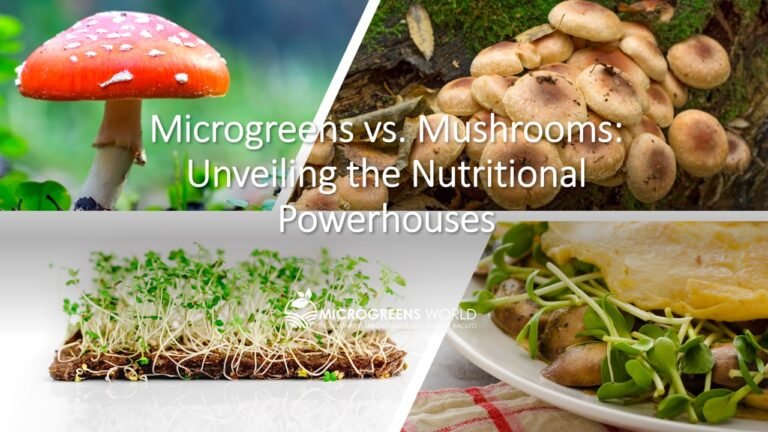
Microgreens and mushrooms, both nutrient-rich and versatile, are grown in controlled environments with a short growing period. Microgreens, young vegetable and herb seedlings, have a mild flavor and short shelf life. Mushrooms, fungi growing on organic matter, have an intense flavor and longer shelf life. Preparation and shelf life differ significantly.
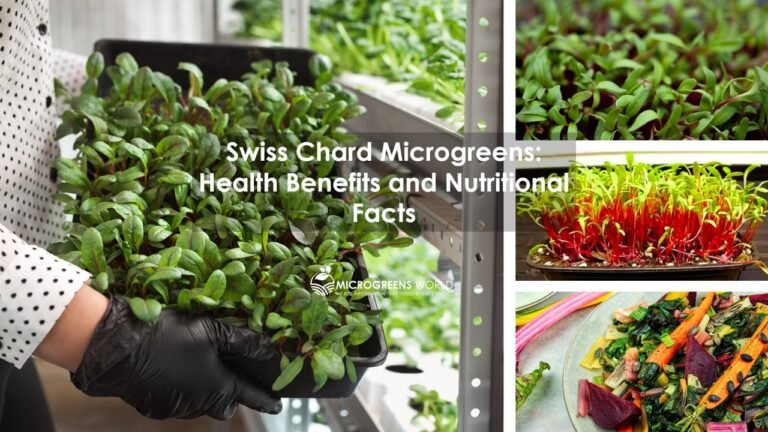
Experience the nutritional power of Swiss Chard Microgreens! Packed with vitamins & minerals, they boost your health & wellness. Learn more in our post.
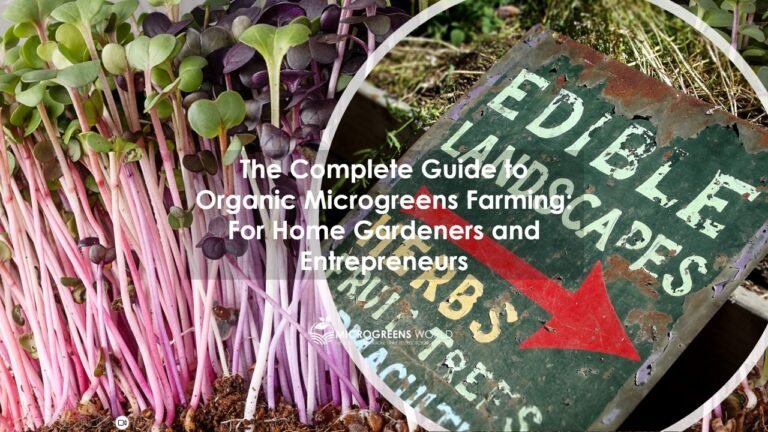
Organic microgreen farming uses certified organically pathogen-free seeds, no synthetic chemicals or pesticides, follows good agricultural practices (GAP), and the resulting microgreens have increased nutrient content, reduced risk of contamination, and better taste. Some examples of microgreens that can be grown organically include broccoli, kale, radish, and arugula.
Borage microgreens are nutrient-dense, rich in vitamin C, gamma-linolenic acid (GLA), and antioxidants. Vitamin C supports immune function and skin health. GLA, an omega-6 fatty acid, has anti-inflammatory properties and supports heart health. Their antioxidants protect against cellular damage.
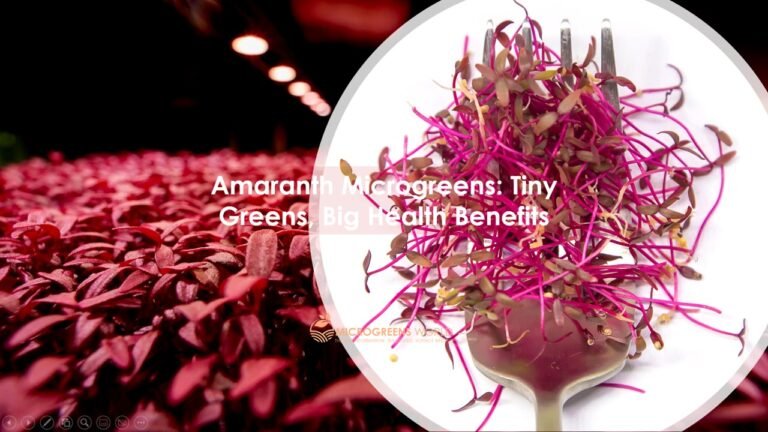
Amaranth microgreens are rich in Vitamin K, Vitamin C, and iron, which are crucial for blood clotting, immune function, and red blood cell production, respectively. They also contain protein, essential for tissue repair. Health benefits include enhanced immune function, improved bone health, and better digestion due to high fiber content.
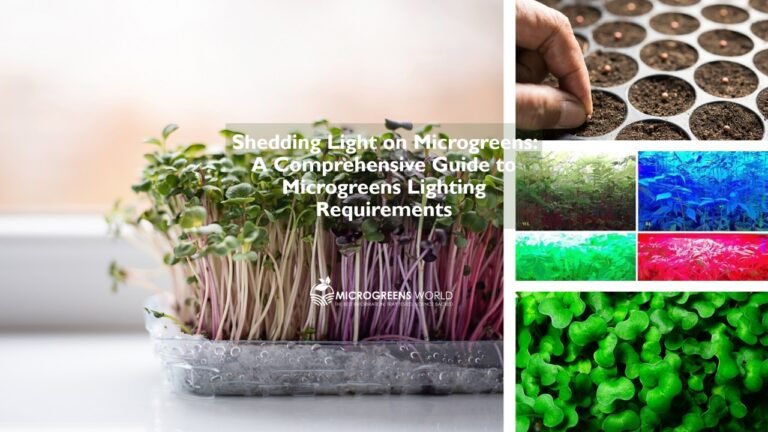
Growing microgreens in low light conditions involve selecting light-tolerant varieties, such as kale or mustard, and providing supplemental light if necessary. Optimal light conditions for microgreens generally range from 50 to 200 µmol/m²/s, but these plants can adapt to lower light intensities.
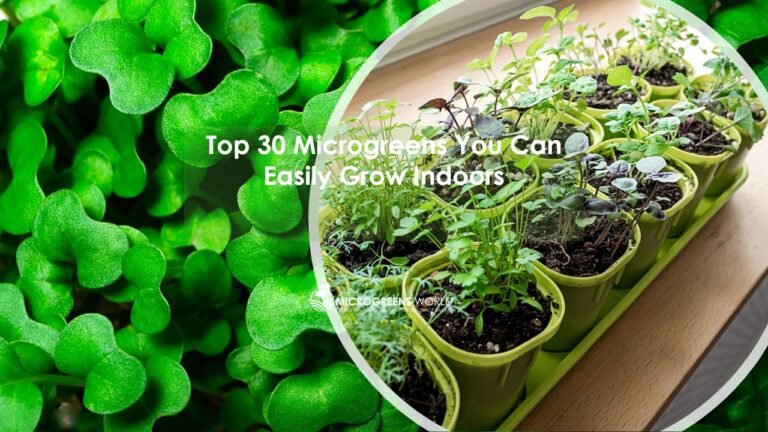
The top 30 microgreens you can easily grow indoors include radish, broccoli, arugula, kale, beet, sunflower, pea, basil, cilantro, and mustard greens. Grow these microgreens for their ease of cultivation, nutritional value, and flavor profiles. They can be grown in small containers, require minimal care, and are ready to harvest within 7-21 days, providing a continuous supply of fresh, nutrient-dense greens in your home.
Starting a microgreens business presents challenges such as ensuring optimal growing conditions, managing pests and diseases, handling the delicate harvest process, and navigating market demands. However, these hurdles can be overcome with proper planning, education, and persistence, leading to a profitable and sustainable microgreens business.
According to Yahoo Finance, the global Microgreens market will reach $3.7 billion by 2030, and the US market will reach $960 million by 2030. Whether you’re a basement or garage-based start-up, a Certified B corporation like AeroFarms, or any entity in between, these numbers present you with a huge opportunity.
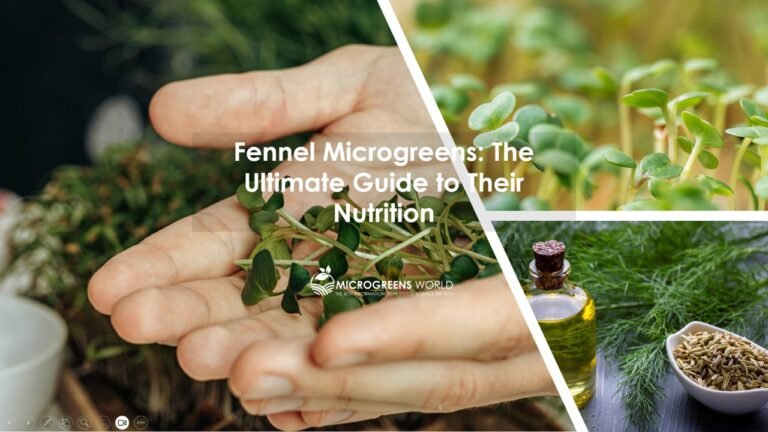
Fennel microgreens are a powerhouse of nutrition, packed with Vitamin C, calcium, iron, and antioxidants that support overall health. Anethole, the main active component, exhibits anti-cancer activity. Their unique anise-like flavor adds a gourmet touch to meals, making them a delicious and healthy choice for enhancing your diet.
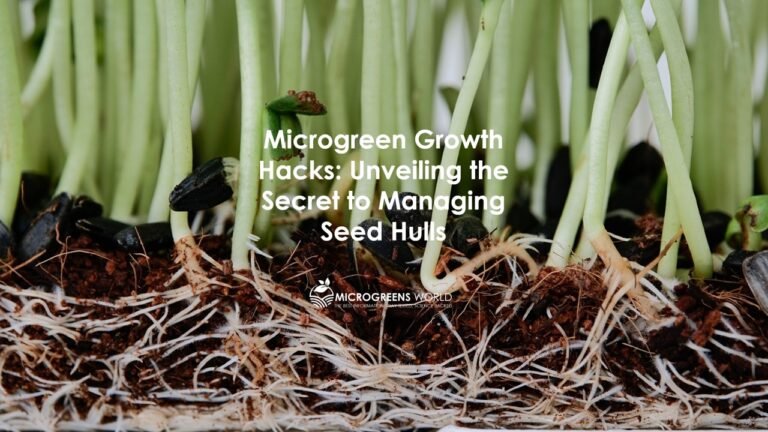
Seed hulls on microgreens can hinder their growth. Dealing with seed hulls on microgreens involves a few key steps: maintaining optimal humidity levels, gentle manual removal, and using a fan for air circulation. These methods ensure the hulls fall off naturally without damaging the delicate seedlings.
Slow growth in microgreens can be addressed by optimizing growing conditions, including light, temperature, and nutrient supply. Regular monitoring and adjustments can ensure healthy, rapid growth.
Compost, rich in organic matter and beneficial microbes, provides essential nutrients for microgreens, enhancing their growth and nutritional content. It's a sustainable, cost-effective solution for urban dwellers and home gardeners and a promising business model for green entrepreneurs.
Growing microgreens in sand involves planting the seeds in a sand medium, providing adequate water and light. This method is beneficial as sand has excellent drainage, prevents overwatering, and is easily accessible and affordable.
Quality control in your microgreens business ensures the production of healthy, nutrient-rich crops. It enhances sustainability by minimizing waste, ensuring consistent yield, and maintaining high product quality standards.
In permaculture systems, microgreens, seedlings of vegetables, and herbs play an essential role. They enhance soil fertility, promote biodiversity, and provide a sustainable source of nutrient-rich food, revolutionizing home gardening and urban farming practices.
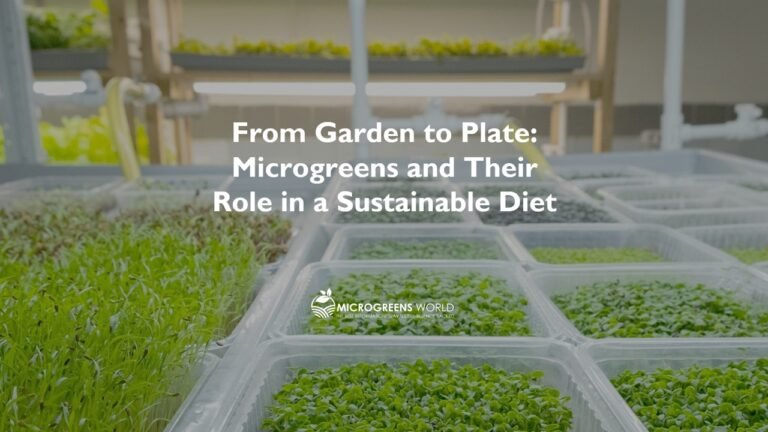
The role of microgreens in a sustainable diet can provide numerous benefits. Microgreens are young vegetable greens that provide a concentrated source of nutrients. They can be grown indoors, require minimal space, and mature within a few weeks, making them an eco-friendly and sustainable addition to our diet.
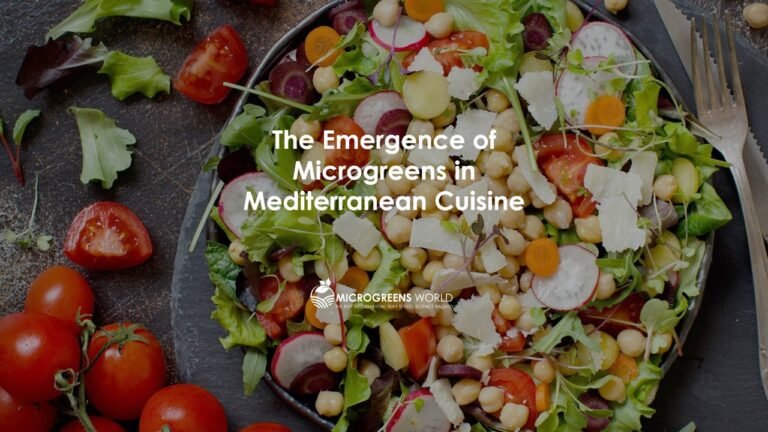
Microgreens play a pivotal role in Mediterranean cuisine, adding nutritional value, enhancing flavors, and providing visual appeal. Use them in salads, garnishes, and as key ingredients, enriching the diet with their high vitamin, mineral, and antioxidant content.
Chefs pair microgreens with proteins to enhance their dishes' flavor, visual appeal, and nutritional value. The small seedlings of vegetables and herbs known as microgreens are incredibly nutrient-dense. When paired with proteins like meat, fish, or plant-based proteins, they add a fresh, intense flavor and a vibrant color contrast. The pairing also balances the diet, providing a mix of essential nutrients needed for health and well-being.
Microgreens omelet recipes are nutritious and delicious to start your day. They are packed with essential nutrients and are perfect for fitness enthusiasts and busy parents.
The lifecycle of microgreens follows the stages of germination, leaf development, and harvesting. Starting as seeds, they germinate in a moist environment, sprout leaves (cotyledons), and grow true leaves. Harvesting occurs usually after the cotyledon stage, within 1-3 weeks of planting.
Microgreens are nutrient-dense young vegetables used in various breakfast recipes to enhance flavor and nutritional value. They are rich in antioxidants, vitamins C, E, and K, and beta-carotene. They are easy to grow at home and can be incorporated into meals in numerous ways.
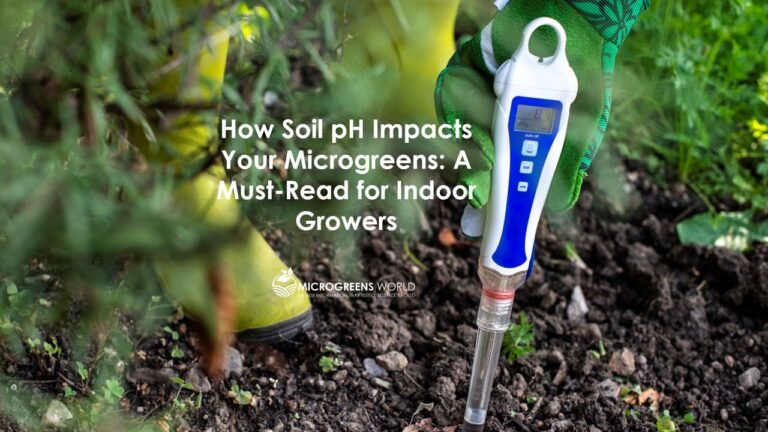
The term pH is an abbreviation for 'potential of Hydrogen.' On a scale of 0 to 14, it represents a solution's acidity or alkalinity. When growing microgreens, it refers to the pH of the soil and plays a critical role. It affects nutrient availability, thereby influencing plant health. Optimal pH levels for microgreens range between 6.0 and 7.0. Regular testing and adjustment of soil pH can ensure robust microgreen growth.
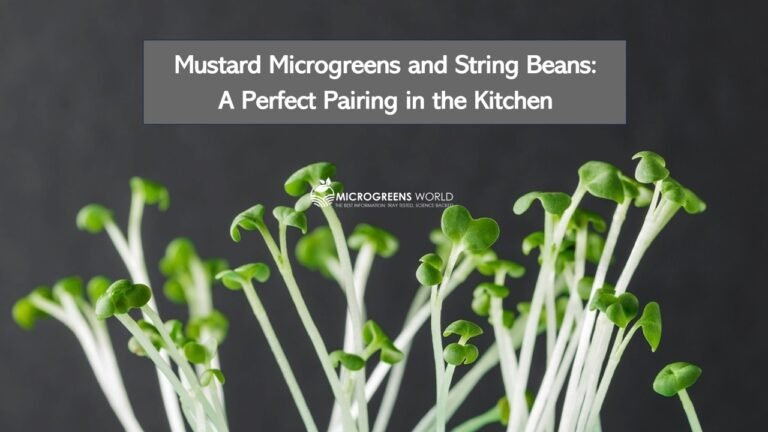
Adding mustard microgreens to string beans during cooking is a great way to add flavor and texture to an otherwise dull vegetable. The mustard greens are firm in taste and give them an added zing. Combined with onion and a little salt, they go great with string beans.
When you visit any web site, it may store or retrieve information on your browser, mostly in the form of cookies. Control your personal Cookie Services here.