Andrew Neves, MSc, CPHC, CPBC, PCQI is a health and wellness coach, small business coach, researcher, and microgreens enthusiast. Since 2017, he has advanced microgreens' nutritional science and applications, founding Microgreens World to educate and inspire health-conscious individuals
Most growers set prices by copying a competitor, then wonder why the margin never shows up. A competitor's price tells you nothing about their costs. This walks through building a price from your own cost floor up, channel by channel, so the number actually holds.
Several weeks ago, I shared new microgreens beverage research in a commercial growers group. The response from one enterprise-scale operator stopped me cold. They had run the numbers, sat across from nutraceutical buyers, and watched the unit economics fail. Their…
I used to think you needed a backyard and a green thumb to eat well. Then I started growing microgreens on a windowsill and digging into what's actually inside them. The research surprised me, some of these tiny leaves carry far more of certain vitamins than the full-grown vegetable. Here's what the science says, and which ones are worth your tray space.
Palm Ventures has acquired AeroFarms, the largest U.S. microgreens supplier. Microgreens World publisher D. Andrew Neves breaks down what the deal actually means for the market hierarchy, the regulatory outlook, and what independent growers should do right now.
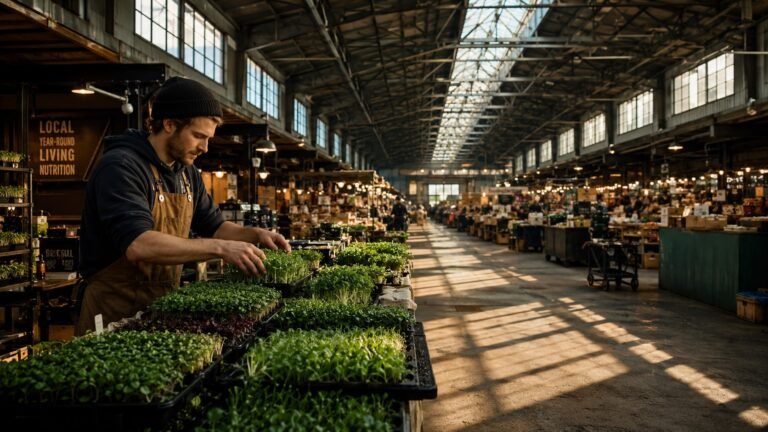
Most people think microgreens businesses fail because the growing is hard. It is not. About half do not make it past their first year, and the reason is almost never the crop. It is everything around the crop: the buyers, the numbers, the systems. Here is what separates the half that survives.
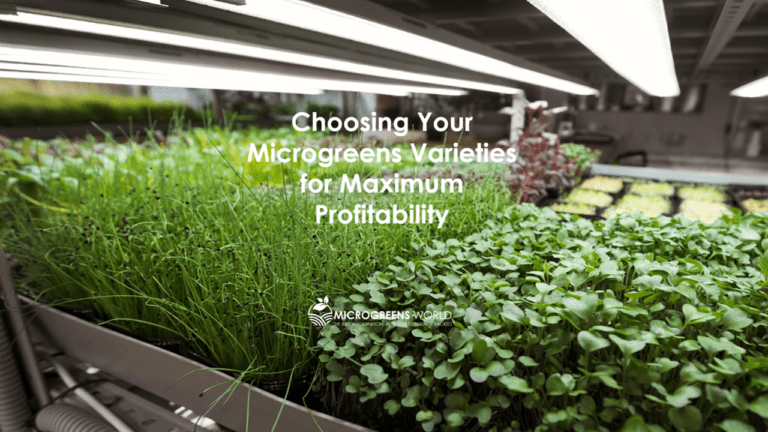
In 2017, Steven and I started jPure Farms with one goal: to grow the most profitable microgreens we could find. The numbers taught us something the seed catalogs never mention. Radish and sunflower led on profit, but not for the reason most growers assume. Here is what actually drives the money, variety by variety.
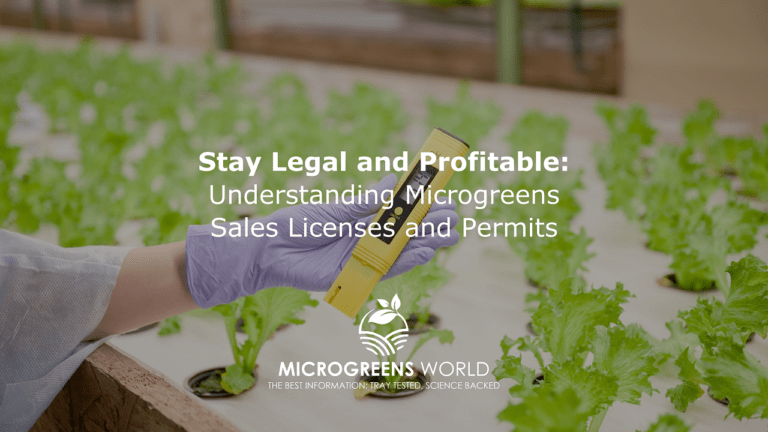
Do you need a license to sell microgreens? In most places, yes, and it is a small stack of permits, not one card. Here is exactly what you need, in what order, plus the FSMA food safety changes and what to do if zoning says no.
Microgreens are some of the most nutrient-dense food on the planet, and most home growers eat them happily for years without a single problem. But about once a month, someone like my neighbor Marty asks me a worried question after reading something online. "Are these things actually safe?" Yes, with three specific exceptions worth knowing about.
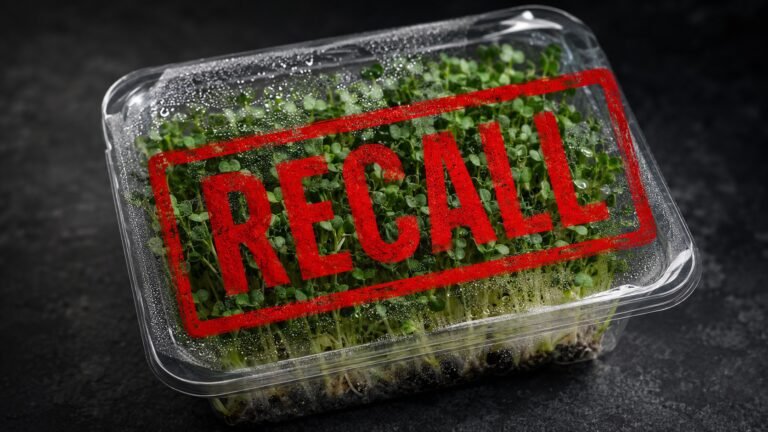
I track food safety events in microgreens because growers deserve more than headlines. When four Canadian brands were caught in a microgreens recall inside of nine days in May 2026, I traced the event back to its source. What I found is less about any individual operation and more about a gap that most microgreens growers share.
New research from Colorado State University identifies which farmers market to sell at for specialty crop vendors. Urban, year-round, and producers-only markets consistently outperform seasonal and rural alternatives.
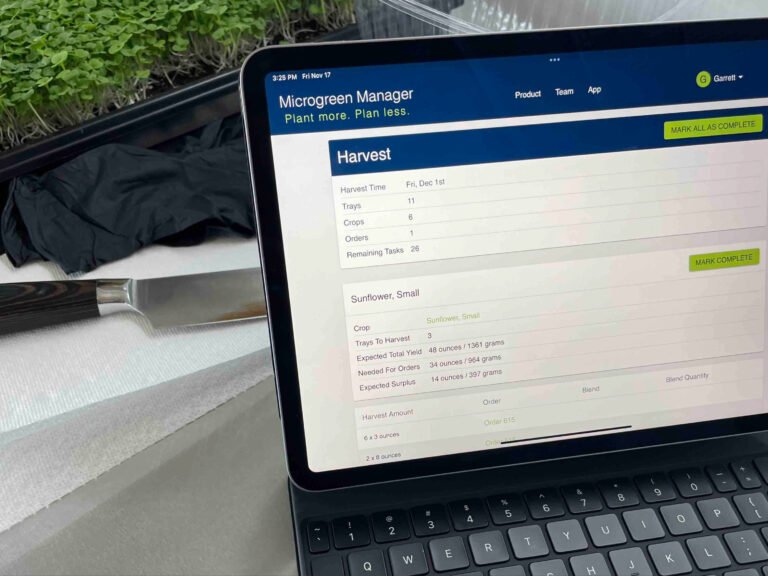
Wednesday morning. A text lands on your phone from Chef Marco at Rosario's: "Just confirming Friday delivery. Same order as last week?" You pull up the spreadsheet, and the recurring orders tab hasn't been touched since Monday. One variety missed the sow window. The trays are empty. The harvest won't make Friday. This review asks the question every commercial grower eventually faces: Does the microgreens software built on a GAP-certified commercial farm actually hold up when that farm depends on it?
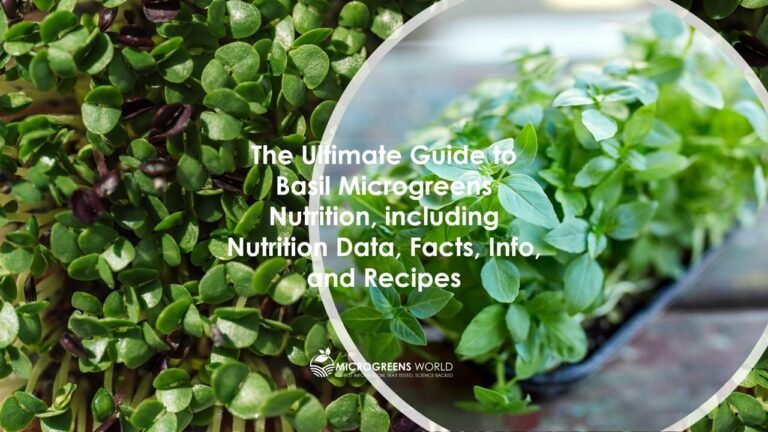
Basil microgreens contain measurable concentrations of vitamins C, K, and E, plus calcium, iron, and anti-inflammatory compounds including eugenol and linalool. Here is what the USDA nutrition data shows and what the research says about their health benefits.
Most microgreens businesses fail within their first year. Not from bad growing. From starting with trays before confirming buyers. Here is the sequence that works, and what to do in the first 90 days.
Ancient compounds in certain microgreens may quietly interrupt the inflammation switch driving heart disease, diabetes, and Alzheimer's—but not all varieties work equally.
Mustard microgreens hit 215% of your daily Vitamin K requirement in 100g. That heat you taste is allyl isothiocyanate, the same compound researchers study for anti-inflammatory properties. USDA data, variety comparisons, and growing basics all here.
When you visit any web site, it may store or retrieve information on your browser, mostly in the form of cookies. Control your personal Cookie Services here.