Nine research firms project the global microgreens market will reach $5 to $6 billion by 2032. Their numbers vary by up to 4 times. Approximately 50% of new microgreens businesses fail in their first year. Here is what the data actually says and what it means at street level.
Discover how microgreens evolved from chef's garnish to nutritional powerhouse, transforming both cuisine and agriculture through science and innovation.
Discover how microgreens transform K-6 classrooms into living laboratories, promoting STEM learning, nutrition education, and food literacy through an engaging two-week growing project.
From 2006’s niche garnish to 2024’s widespread health trend, microgreens saw a surge in popularity. Advancements in hydroponics and aeroponics expanded their variety and scale, aligning with sustainable urban farming and nutritional awareness, evolving from upscale restaurant garnishes to staples in diverse culinary and health-conscious diets.
According to Garden Research, more American households (77%) are gardening than ever before, and increasingly the face of that gardener is a young one. The organization found in its recent national survey that the 18 to 34 age group reached an all-time gardening high.
When you visit any web site, it may store or retrieve information on your browser, mostly in the form of cookies. Control your personal Cookie Services here.
For perfomance reasons we use Cloudflare as a CDN network. This saves a cookie "__cfduid" to apply security settings on a per-client basis. This cookie is strictly necessary for Cloudflare's security features and cannot be turned off.
__cfduid
These cookies allow us to count visits and traffic sources, so we can measure and improve the performance of our site.
Meet Doc Green—your intelligent guide to the science of microgreens. Search smarter, review faster, and interact directly with 2,000+ papers using AI-powered tools built for researchers, growers, and educators.
If you’re serious about microgreens. No more wasted time. No more guesswork.
The calculator shows you the numbers. This Playbook tells you what to do with them. It’s a complete guide to turning your data into dollars and building a resilient business.
Inside this 30-page guide, you get:
The 5 Levers for pushing yields from 1:5 toward a profitable 1:15,
getting more revenue from the same seed cost.
A step-by-step plan for fixing a negative Margin of Safety,
ensuring your business can survive a slow month.
The “Two Hats” method for paying yourself a real salary,
turning a demanding hobby into a real business.
This entire playbook costs less than one failed tray of microgreens. For $9, you are getting a professional framework that can add hundreds to your bottom line.
GET THE $9 PLAYBOOK NOW
If you’re serious about microgreens, this is the easiest way to start.
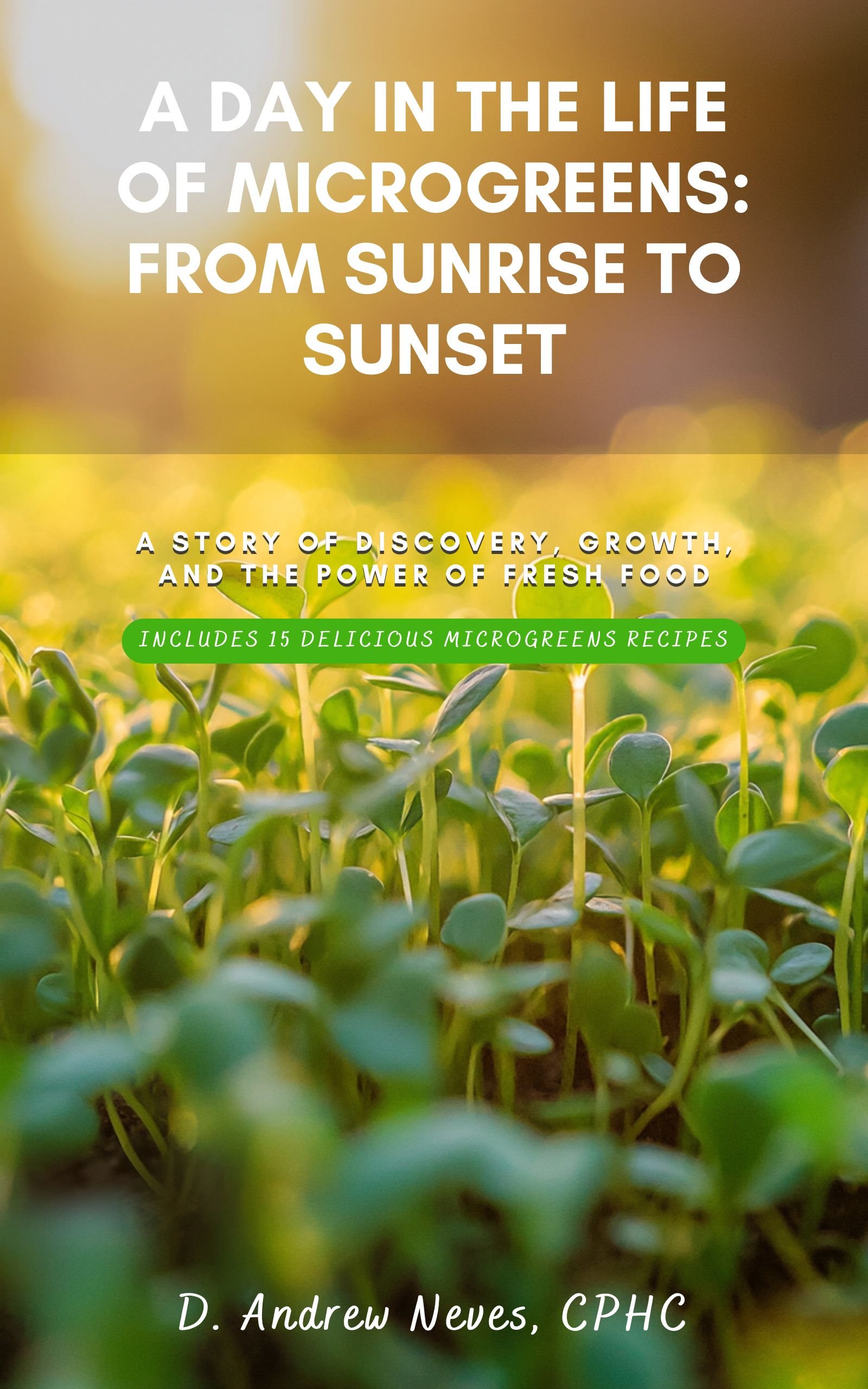
Includes 15 fast, delicious ways to use microgreens daily.
✔ No complicated techniques. Just real, practical meals. ✔ Breakfast, Lunch, & Dinner options. ✔ Minimal ingredients, maximum nutrition. ✔ Instant digital download. Get started today.
🔹 Not for everyone. This is for people who are serious about microgreens.
Get Instant Access for Just $7 and Join our Weekly Newsletter