Optimal Growing Conditions: Ensuring Safe and Healthy Microgreens
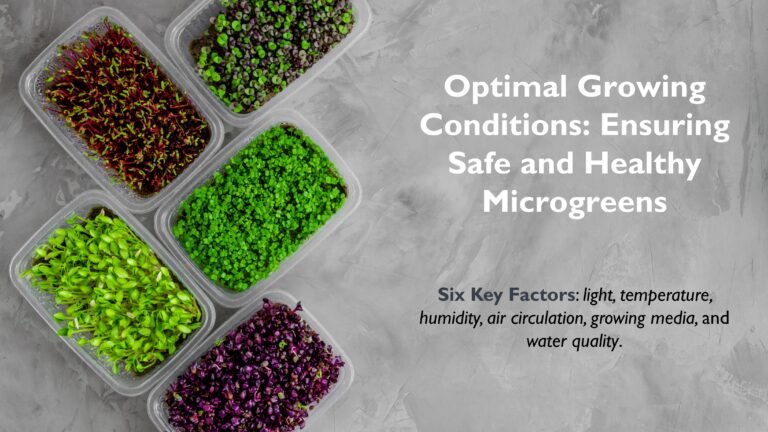
Learn crucial environmental factors and proven techniques that transform your microgreens from risky ventures into thriving, nutritious harvests.

Learn crucial environmental factors and proven techniques that transform your microgreens from risky ventures into thriving, nutritious harvests.
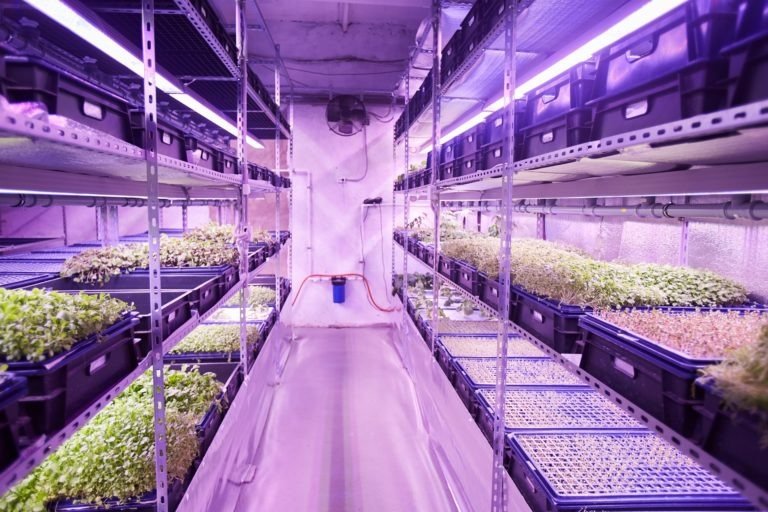
During the first few months of starting JPure Farms, we spent a lot of time fussing about microgreens airflow.
If you grow microgreens indoors (greenhouse, vertical or container farm, micro-urban farm, basement urban garden, or windowsill), then microgreens airflow and ventilation are essential considerations.
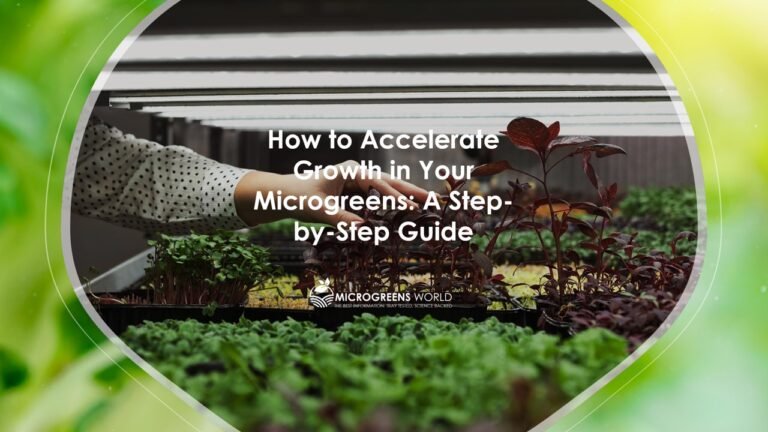
Slow growth in microgreens can be addressed by optimizing growing conditions, including light, temperature, and nutrient supply. Regular monitoring and adjustments can ensure healthy, rapid growth.
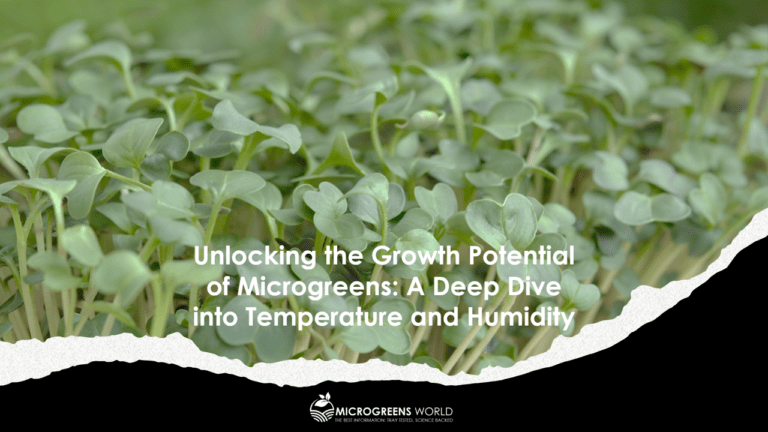
Most microgreens grow best in the 60°F to 75°F (15°C to 24°C) temperature range. The sweet spot ensures they germinate efficiently, soak up sunlight for photosynthesis, and grow into healthy plants. So, if you want your microgreens to flourish, you’ve got to keep an eye on those temperature and humidity levels.
When you visit any web site, it may store or retrieve information on your browser, mostly in the form of cookies. Control your personal Cookie Services here.

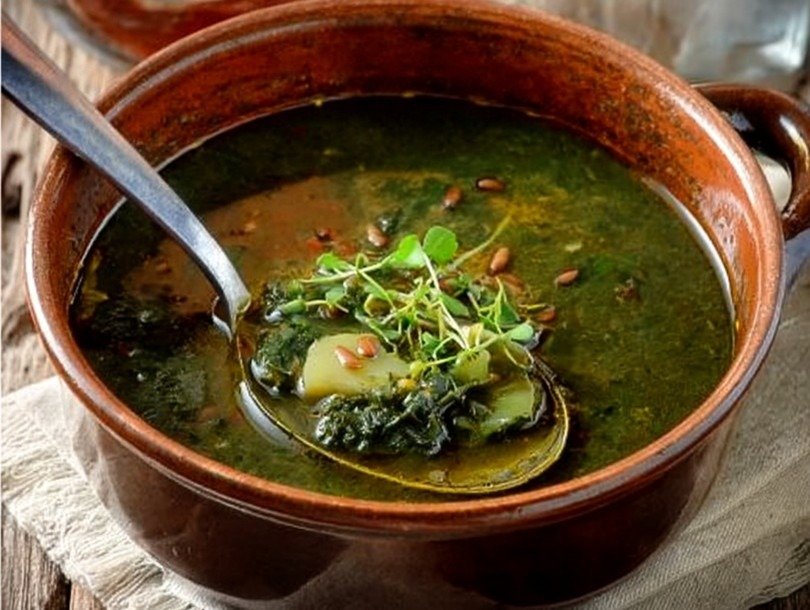
Caldo Verde Renovado com Microverdes de Couve
(Reimagined Green Broth with Kale Microgreens)
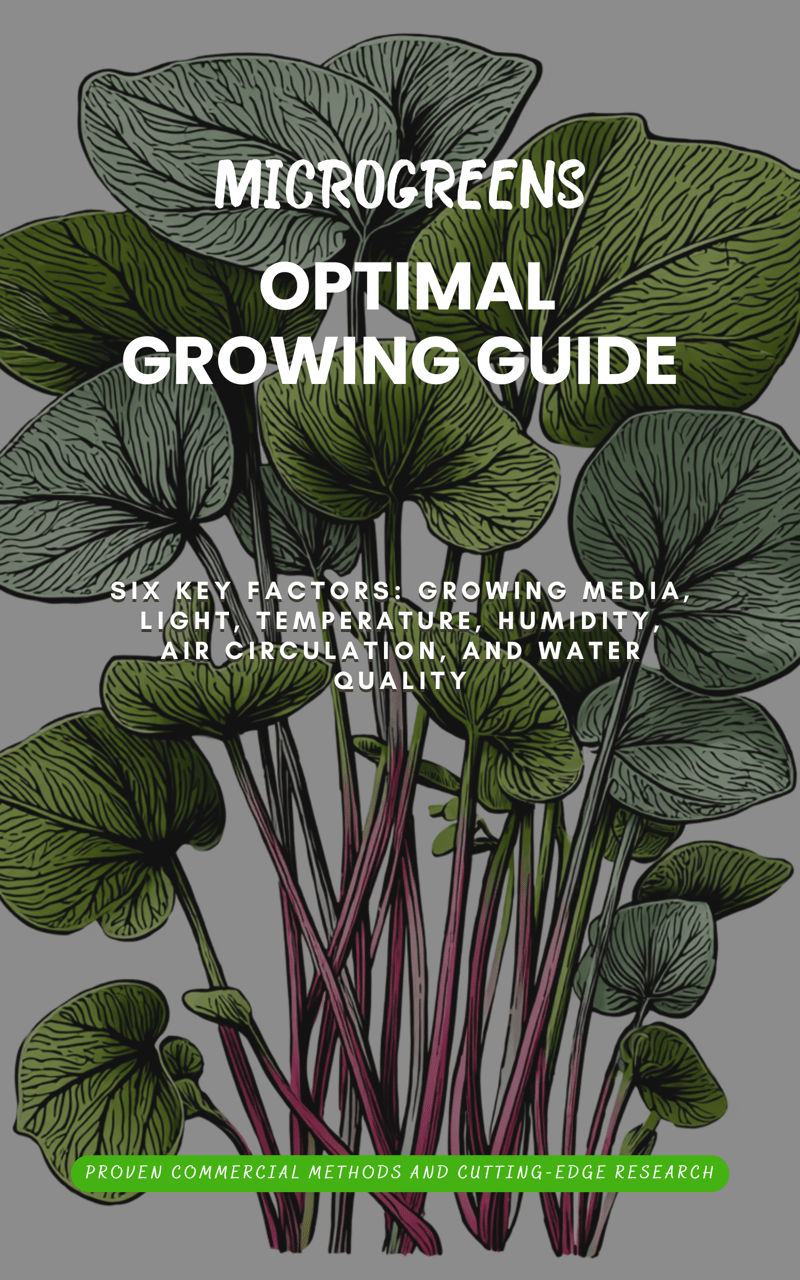

Meet Doc Green—your intelligent guide to the science of microgreens. Search smarter, review faster, and interact directly with 2,000+ papers using AI-powered tools built for researchers, growers, and educators.
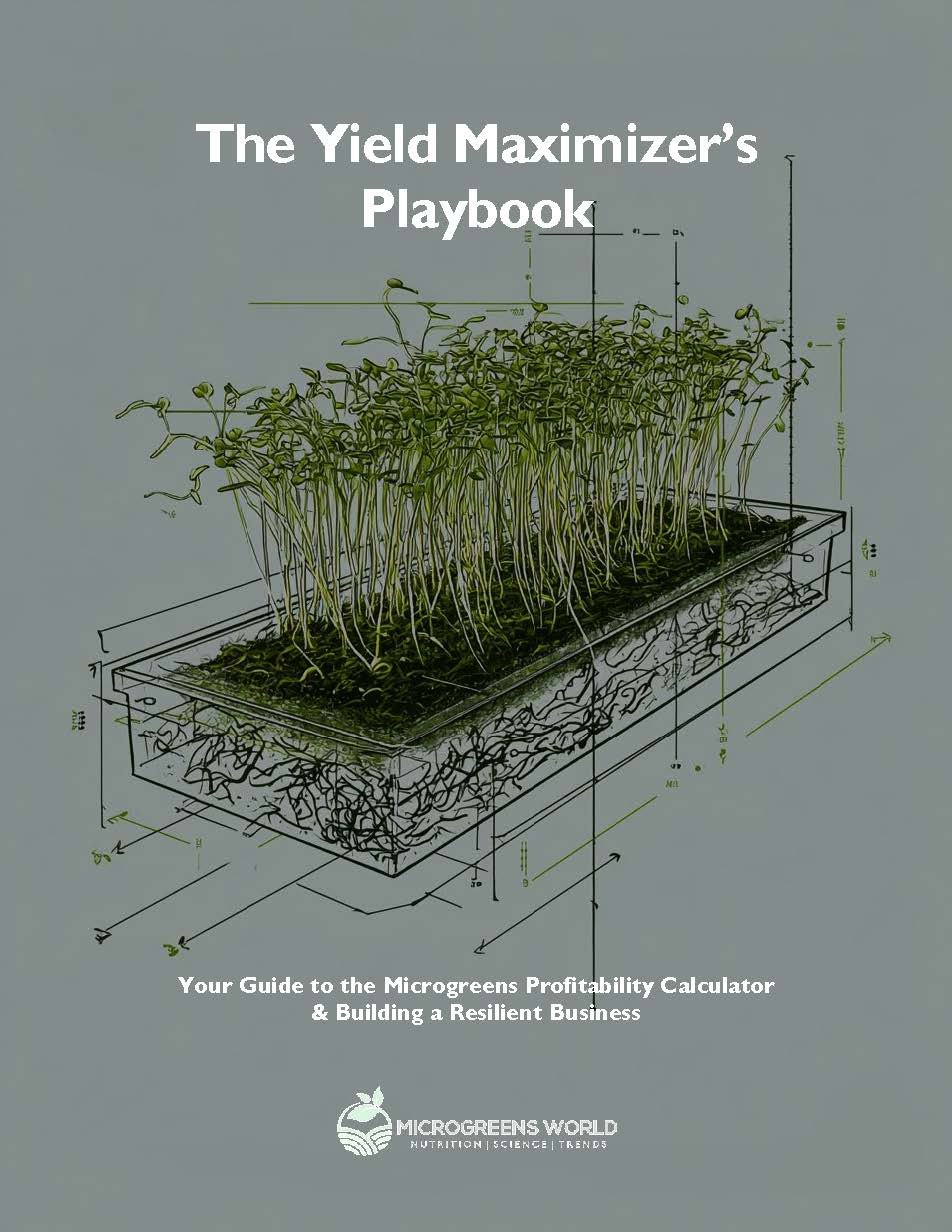
The calculator shows you the numbers. This Playbook tells you what to do with them. It’s a complete guide to turning your data into dollars and building a resilient business.
Inside this 30-page guide, you get:
The 5 Levers for pushing yields from 1:5 toward a profitable 1:15,
getting more revenue from the same seed cost.
A step-by-step plan for fixing a negative Margin of Safety,
ensuring your business can survive a slow month.
The “Two Hats” method for paying yourself a real salary,
turning a demanding hobby into a real business.
This entire playbook costs less than one failed tray of microgreens. For $9, you are getting a professional framework that can add hundreds to your bottom line.

✔ No complicated techniques. Just real, practical meals.
✔ Breakfast, Lunch, & Dinner options.
✔ Minimal ingredients, maximum nutrition.
✔ Instant digital download. Get started today.
🔹 Not for everyone. This is for people who are serious about microgreens.
Get Instant Access for Just $7 and Join our Weekly Newsletter