Andrew Neves, MSc, CPHC, CPBC, PCQI is a health and wellness coach, small business coach, researcher, and microgreens enthusiast. Since 2017, he has advanced microgreens' nutritional science and applications, founding Microgreens World to educate and inspire health-conscious individuals
Discover the nutritional powerhouse of fenugreek microgreens! Packed with essential nutrients, these superfoods are a must-try for health-conscious individuals.
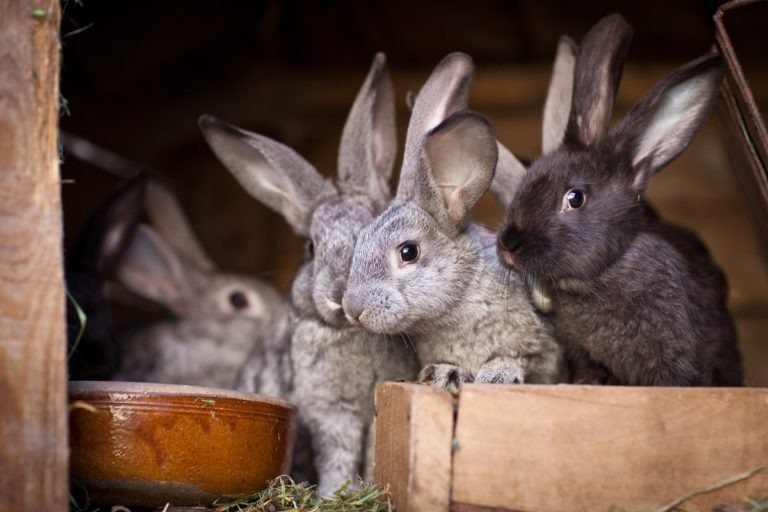
I was talking with my cousin Geoff the other day about the health benefits of microgreens, and he asked me, “What are ten microgreens for raising healthy rabbits?
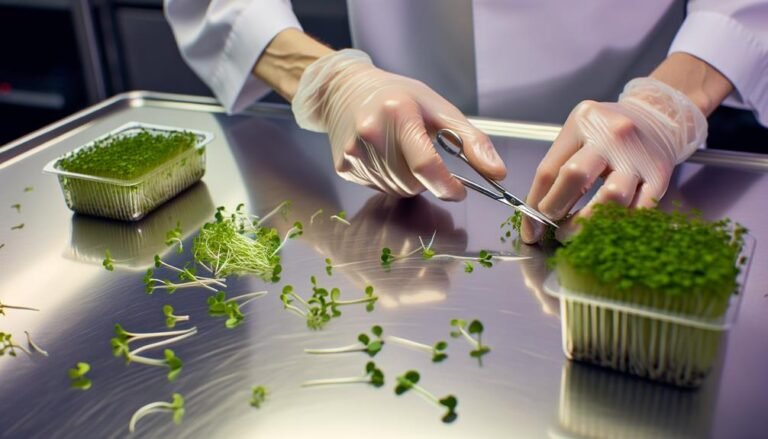
Protect your microgreens business by implementing essential food safety practices, from seed selection to post-harvest handling, and ensure customer well-being.
Explore the healing power of microgreens nutrition. Learn how these tiny greens may help you reach your Recommended Dietary Allowances (RDAs) and fortify your health naturally.
Yes, microgreens can be juiced, and the press does something to them that most juicing pages get wrong. Not all juicers work for microgreens, and not all varieties juice well. This post covers which microgreens to juice, which juicer to use, and what the research does and does not support about what ends up in the glass.
Discover the diverse taste profiles of microgreens. From sweet basil, earthy beet to spicy radish, explore the healthiest microgreens to grow and the best ones to eat!
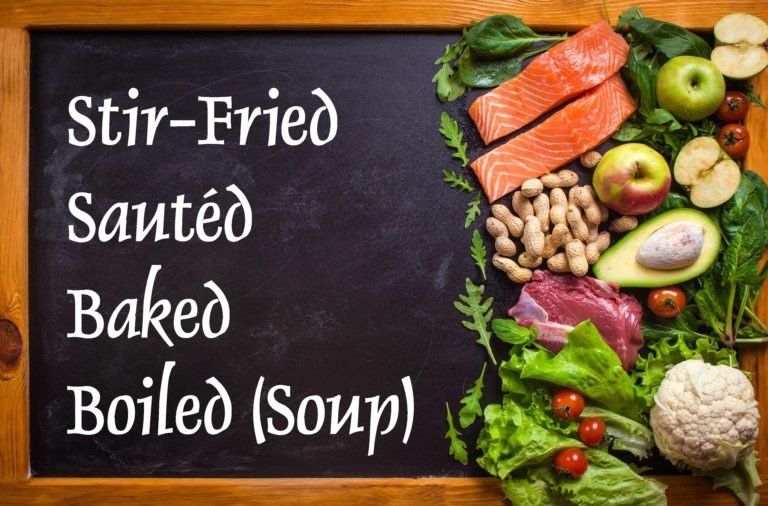
Unlock the full potential of microgreens! Discover how to cook microgreens for optimized nutrition, and the debate on whether microgreens should be cooked or raw.
Poor airflow is the most common reason microgreens mold, wilt, and fail indoors. Here is what we learned at jPure Farms, how to calculate the right fan size for your grow room, and how to control humidity, CO2, and temperature without expensive equipment.
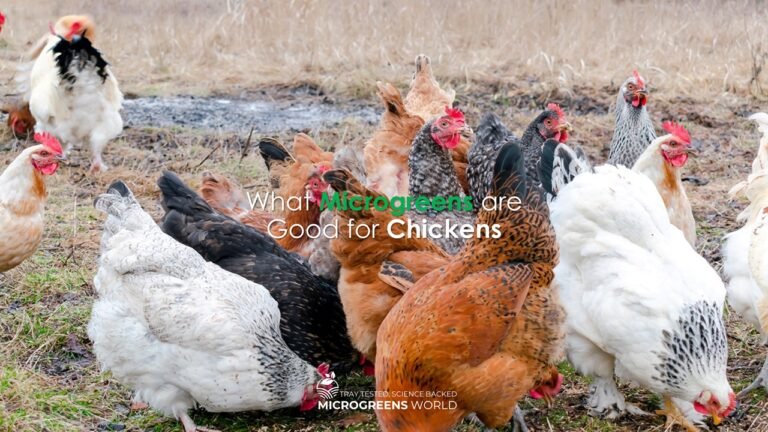
Discover the nutritional benefits of feeding microgreens to chickens, from enhanced immunity to improved egg quality. Explore top microgreens for chickens like sunflower, pea shoots, and radish. Learn to grow and feed microgreens sustainably for healthier flocks.
Micronutrient deficiencies, also known as hidden hunger, occur when a person's diet lacks essential vitamins and minerals. This condition affects more than two billion people globally.
When you visit any web site, it may store or retrieve information on your browser, mostly in the form of cookies. Control your personal Cookie Services here.