
The stall that answers the hard question sells the bag
The Variety Library reads the microgreens research for you, crop by crop, and hands you wording you can defend with a customer standing in front of you.
That is the sieve behind the six guides published so far. Every number on every guide page comes out of the 101.
Pick your crop
You already know the moment
You grow clean trays and you show up every Saturday. Then a customer holds up a bag, asks whether these are actually better for you than the grown plant, and the sale hangs on what you say next. Say too much and you have made a health claim you cannot back. Say too little and she puts the bag down.
The number you found online is worse than nothing. The most repeated figures about microgreens belong to different crops entirely, and the one customer who checks is the one you least wanted to lose.
And reading the research yourself is a second job. Hundreds of papers, paywalls, two labs measuring the same crop and landing far apart. You are a grower, not a research librarian. That gap, between what the science says and what you can say, is where stall sales go to die.
So I closed the gap myself. Across the seven guides I have screened 903 papers that involved these crops and cited 129, every one read to table level, because a paper’s abstract and its own data tables disagree more often than anyone wants to believe.
This library is new, so I will not dress it up with testimonials I do not have. I will show you the work, and I will back it with a promise you can hold. It is a few lines down.
How these pages read evidence
These are the rules I read every paper under, printed here so you can hold me to them.
Then each guide turns those rules into the part you take to market: what you can say and what you must not, side by side, in sentences built to be read out loud across a table. That wording is the product. Nobody else sells it because nobody else does the reading.
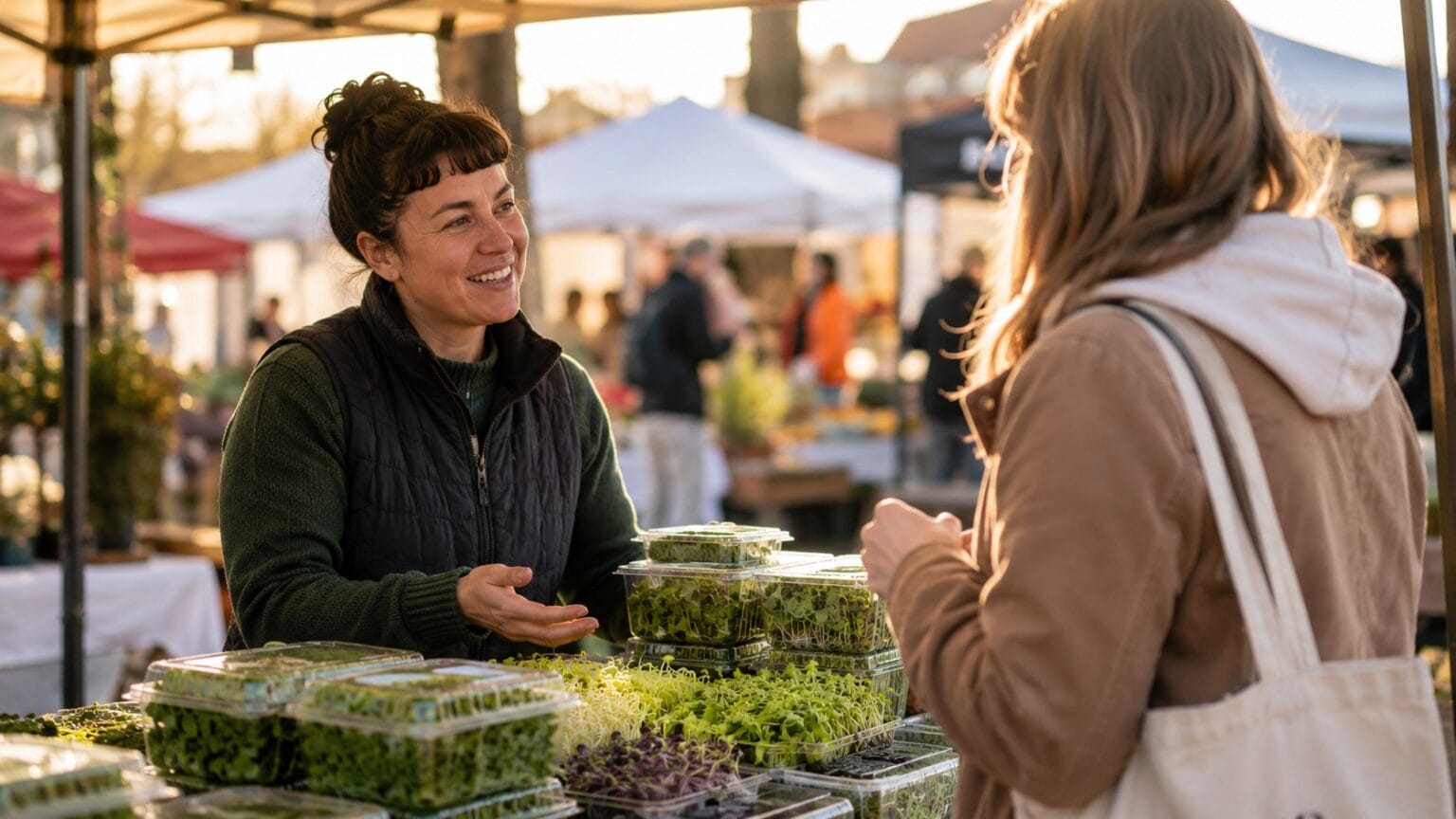
Now picture the same Saturday. The same customer, the same question. This time you hand her a printed sheet with your farm’s name at the top, and the answer on it is one you can stand behind, because someone read the actual studies and wrote it to be said out loud.
She feels the difference between a stall that repeats the internet and a stall that shows its work. She buys the bag. Next week she brings a friend, and you already know how quickly a market learns which table has the answers.
The stall sheets are what the guides are for
Pick your crop
Each finished guide carries the evidence, the honest limits, and the six questions your stall gets asked.
Thirty-nine crops are on the table and six have been read to table level so far. Two more are scheduled and carry their guide numbers already. Everything else below has its research post live while the guide waits its turn, or it sits in the reading pile. The digest announces each new guide the week it lands.
 Guide No. 02
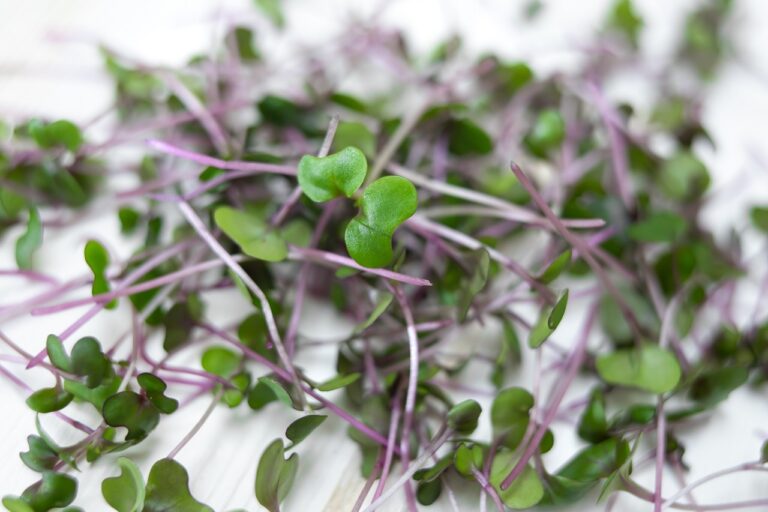
Cabbage
Cabbage microgreens, and the survey that put them first of twenty-five for vitamin C.
The same crop finished thirteenth of seventeen for iron, and the only people ever fed it in a trial were asked one question: would they keep eating it.
 Guide No. 01
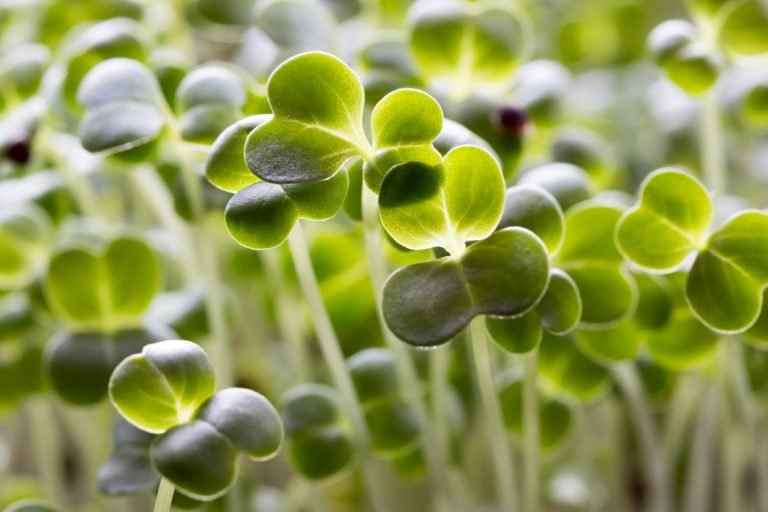
Broccoli
Broccoli microgreens, and the 16-gram serving that went through eleven people.
The only crop here with a human trial behind it. The page also shows it holding more water per gram than any of the seventeen it was measured against.
 Guide No. 03
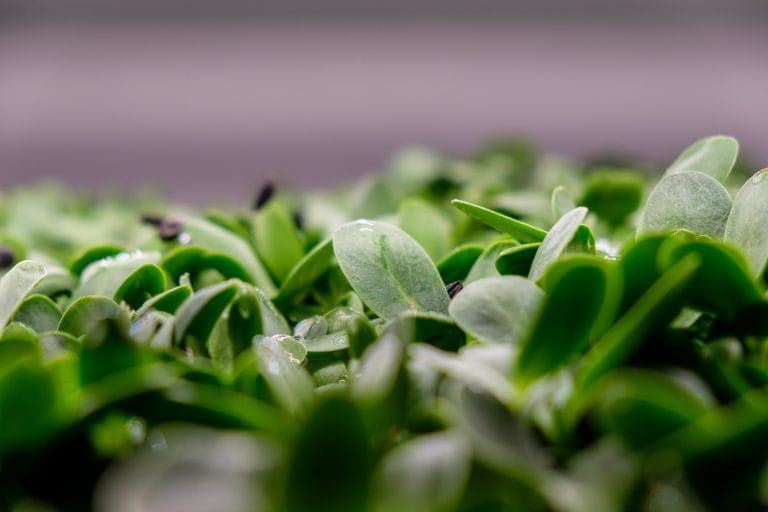
Sunflower
Sunflower microgreens, and why a small bag weighs what it does.
Least water per gram of seventeen species measured side by side. The page shows the trial.
 Guide No. 04
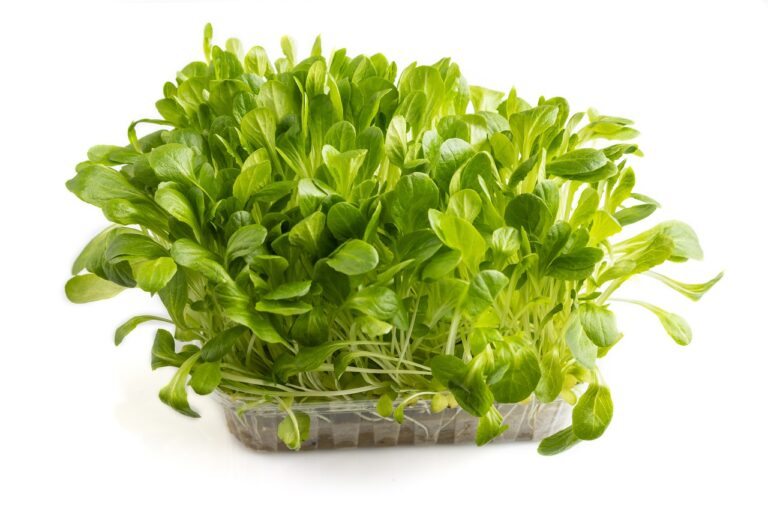
Lettuce
Lettuce microgreens, and the one trial that grew both.
Seedling and full head, same soil, same farm, same winter. Almost no crop has this comparison.
 Guide No. 05
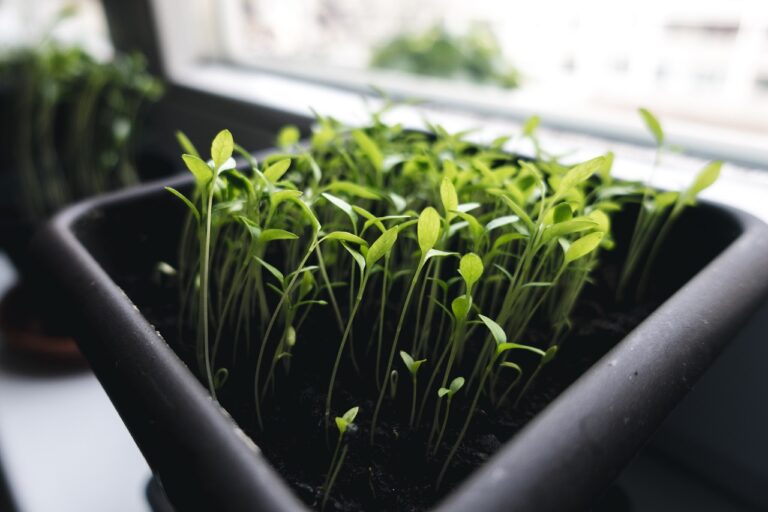
Cilantro
Cilantro microgreens, and the panel that put them top of twelve.
Joint first of twelve for eating quality, highest aroma of the lot. The page also shows where it comes twenty-first.
 Guide No. 06
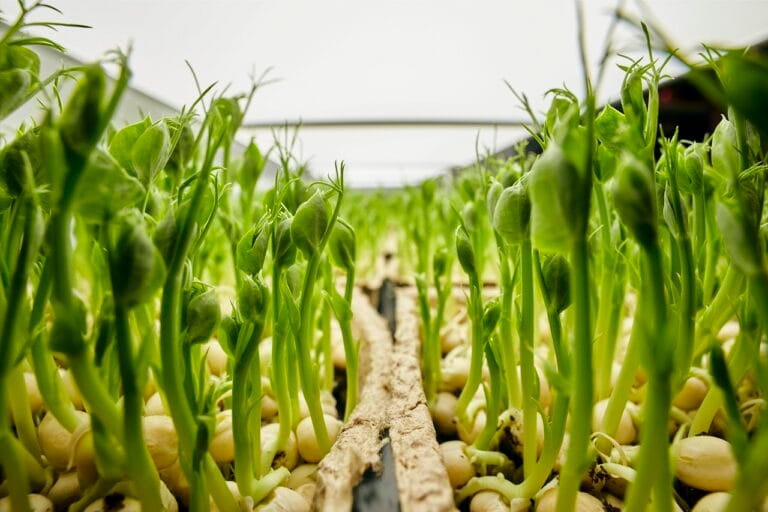
Pea
Pea microgreens, and the flavor score ninety-nine tasters put at the top.
The same tasters gave their looks the lowest average score of the six, tied with arugula. And on a lab antioxidant test in Türkiye, pea came last of six.
 Guide No. 07
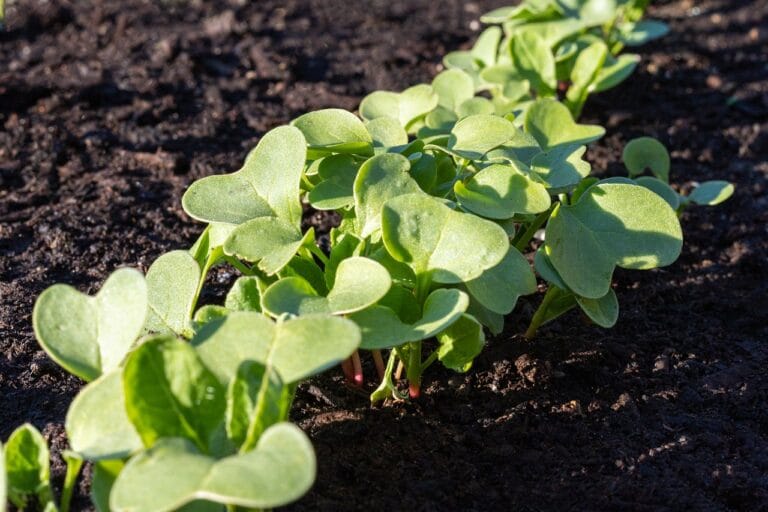
Radish
Radish microgreens, and why more growers grow them than anything else.
Eighty tasters scored its eating quality good, not excellent, and fifty people in Sri Lanka put it last of ten for liking. Its vitamin C sits mid-table in every survey that ranked it.
 Guide No. 08
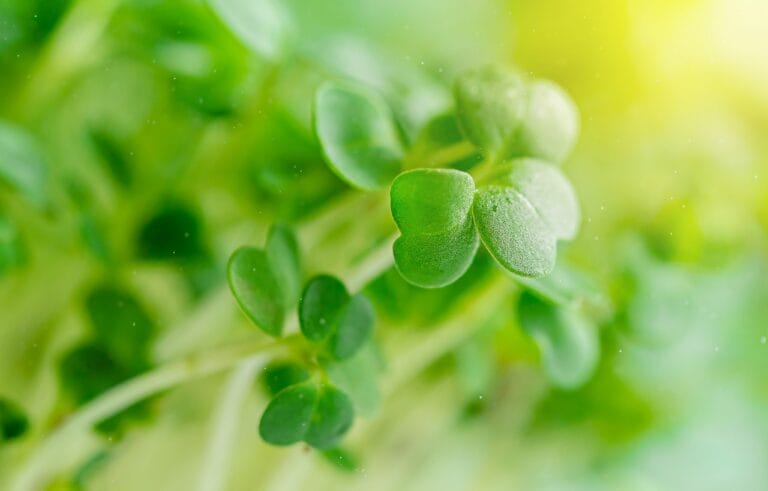
Arugula
Number eight, behind radish in the queue. The ninety-nine taster panel on the pea page already gave arugula the lowest average score for looks, tied with pea. Whether the rest of its record reads that way is what the reading has to settle.
The full table, all 39
Every crop in the library’s plan, in one list. The marks tell you where each one stands today.
Three editions, one job each
Same evidence underneath. Pick the one that matches whose name goes on the sheet. The data sheet ships under the personal licence.
Walk into Saturday with the answers
A brandable Word document. Ten minutes to put your logo where mine is and your farm name at the top, and the three stall sheets print as they are. The health language, disclaimers and citations stay locked, so the wording that protects you cannot be broken by accident.
You spend the ten minutes. The 293 papers were my job.
The commercial edition is $47, and every figure in it is traced to a published table.
Know what is worth eating
The three one-pagers in PNG, Microgreens World branded, answering the questions worth asking before you eat something a stranger grew, or grow it yourself. Print them, pass them along, pin one inside the pantry door.
Thinking about a stall of your own someday? The corner box on each sheet shows the way up.
The personal edition is $7.
The data sheet
Every published value for the crop, on two pages, with the statistical letters and the growing conditions still attached to each one. Where nobody has measured yet, it says so instead of leaving the row blank.
The data sheet is $17, and it costs less added at either guide checkout. Commercial buyers already hold this record inside their guide, on the appendix pages, so it is the format that is being sold here and not the numbers.
The postcards
Eleven cards, seven inches by five. One crop or one question on each, small enough that a customer picks one up while you are weighing the bag and small enough to go home in a pocket.
Every card carries a losing card. The second panel on all eleven is headed either where it loses or where there is nothing, and the build script refuses to make a card without one. On a piece of paper this size, that panel is the most credible thing on the table.
Four are crops, one for each guide published so far, and a new card falls out of every future build at no extra reading. Six are the questions a stall actually gets asked, starting with where the famous big number came from. The eleventh works out what a twenty gram serving of vitamin C really comes to.
The commercial set is $29. Farm name, contact and logo are fillable fields on every one of the eleven. They print at 7.25 by 5.25 inches with the 0.125 inch bleed a print shop asks for.
The personal set is $12. The same eleven cards as PNG files at 288 dpi, Microgreens World branded, sized to print at home on 7 by 5 paper.
Here is the promise from a few lines up. If anyone, ever, finds a figure in any guide that does not trace to a published table, the corrected guide goes out to every buyer at no extra cost. And when the research moves, the new edition follows the same way, to the same inbox.
All sales are final on digital files. With that promise standing behind them, final is enough.
Not ready to pick a crop?
The digest carries each new variety the week it publishes, along with what moved in the research. One email, once a week, and the next guide lands there first.
Everything in the library is educational material about food and the research behind it. Nothing here is medical advice, and no microgreen treats, prevents or cures any condition. Each guide’s page carries its full source count, and each research post carries the reference list.
