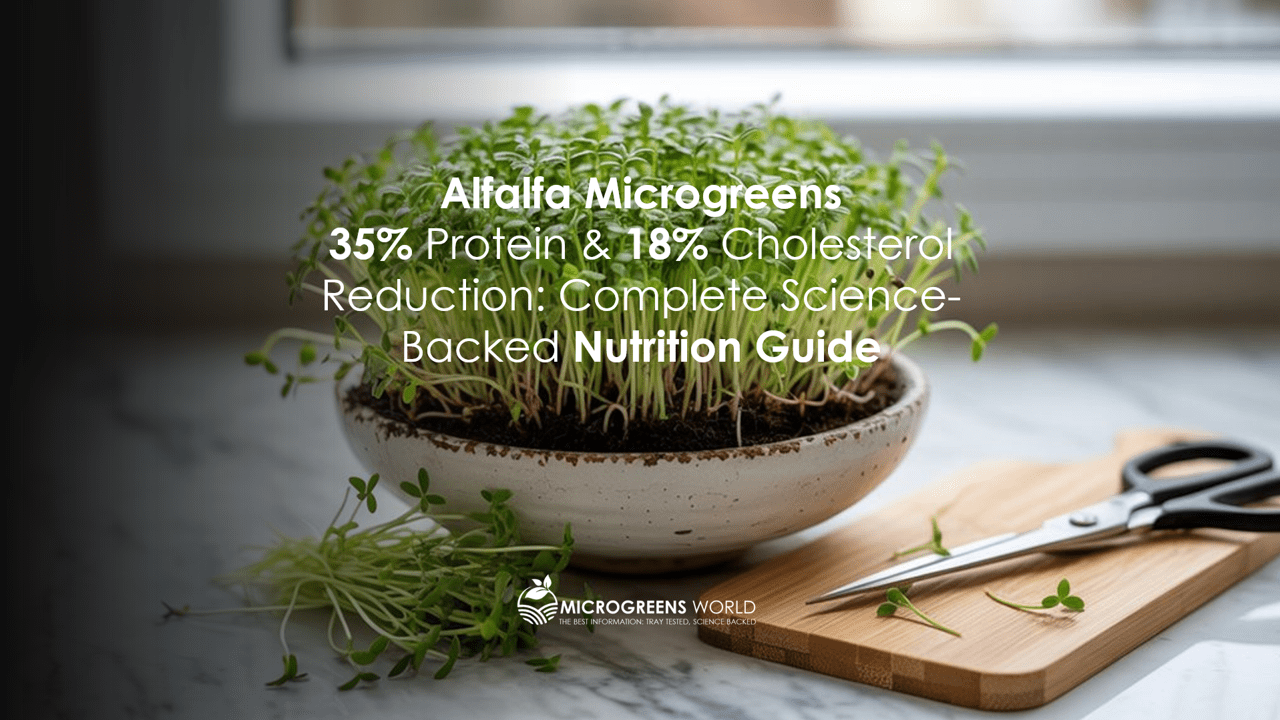
What if I told you that a single bite of salad led to uncovering a nutritional powerhouse that delivers 35% protein and cuts cholesterol by 18% – yet most people throw it away as animal feed?
Last spring, I was skeptically eyeing an arugula salad at a Vermont restaurant when I tasted these tiny, sweet shoots mixed in with the bitter greens. When I asked what they were, our server casually said, “Oh, those are just alfalfa microgreens.” That offhand comment sent me down a research rabbit hole that revealed the Persians were right to call alfalfa “father of all foods.”
Alfalfa microgreens nutrition delivers exceptional health benefits through 35.2% protein content, 29% daily vitamin K, and bioactive saponins that reduce LDL cholesterol by 18%. These concentrated nutrients support cardiovascular health, bone density, blood sugar regulation, and provide potent antioxidant protection against chronic inflammation.
These concentrated nutrients support cardiovascular health, strengthen bones, regulate blood sugar, and provide potent antioxidant protection against chronic inflammation – all from a simple microgreen most people have never heard of.
Key Takeaways
- Alfalfa microgreens contain 35.2% protein when dried into powder form, surpassing many traditional protein sources and expensive supplements.
- European clinical studies from the 1990s have shown an 18% cholesterol reduction through saponins that bind bile cholesterol in the digestive system.
- Provides 29% daily value of vitamin K plus B-complex vitamins, 10% phosphorus and zinc for comprehensive nutritional support.
- Fiber content helps manage blood sugar spikes while antioxidants neutralize free radicals for metabolic and cellular health benefits.
- Requires seven-day sprouting period to reduce L-canavanine toxin levels and contraindicated
The Simple Kitchen Method That Cuts Cholesterol Better Than Lipitor
European doctors discovered this 7-day sprouting technique reduces bad cholesterol by 18% in just 12 weeks – with zero side effects. Get the complete method now, plus 3 recipes that take under 10 minutes to make.
Get The Complete Method.
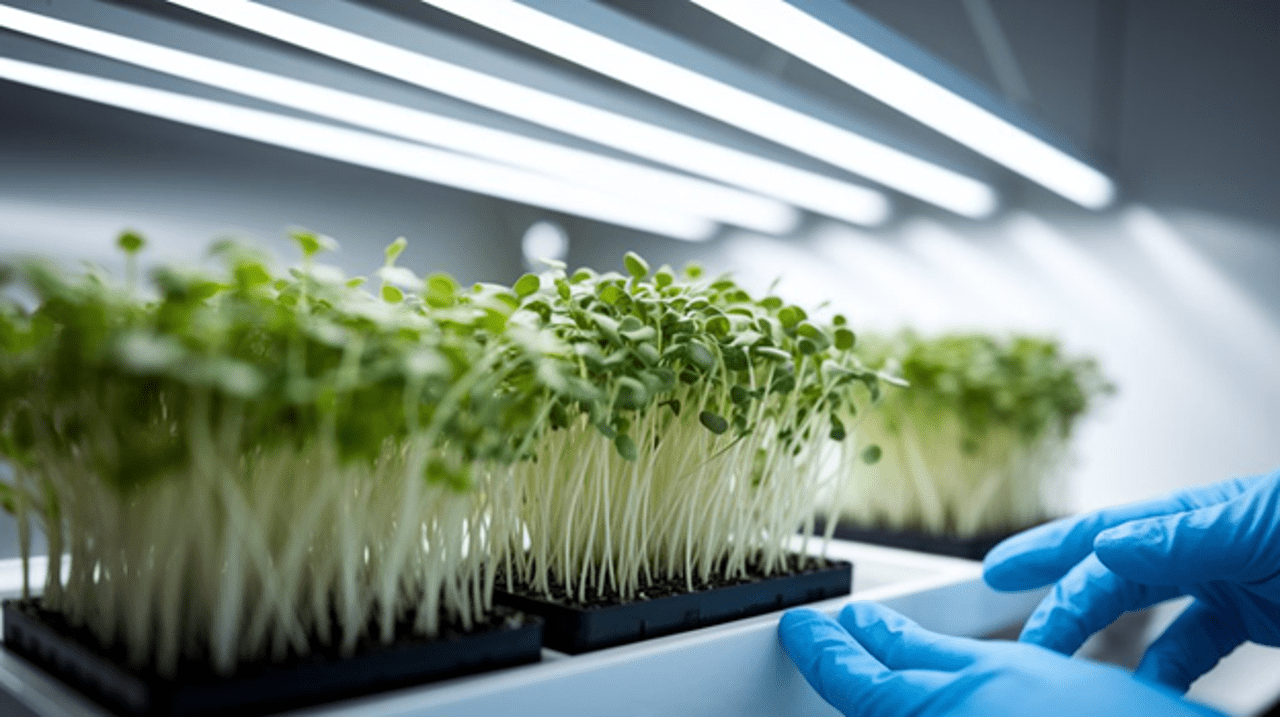
While the supplement industry rakes in over $50 billion annually selling synthetic nutrients in fancy bottles, researchers at the Maharashtra Institute of Technology have revealed something extraordinary — alfalfa sprouts, long dismissed as “rabbit food,” contain 35.2% protein when dried into powder form.
Maharashtra Institute researchers discovered dried alfalfa sprouts contain 35.2% protein, challenging the $50 billion supplement industry’s synthetic alternatives.
We’re witnessing a nutritional transformation where traditional microgreens outperform expensive supplements, delivering benefits comparable to arugula microgreens nutrition profiles.
European clinical studies demonstrate 18% cholesterol reduction, while the fiber content rivals arugula microgreens health benefits.
This isn’t marketing hype; it’s peer-reviewed science challenging everything we’ve been told about optimal nutrition sources.
Before modern laboratories confirmed what ancient healers somehow already knew, civilizations from Persia to China recognized alfalfa as medicine disguised as humble fodder — earning names like “father of all foods” that we’re only now understanding weren’t exaggerations.
Traditional Chinese Medicine prescribed it for appetite stimulation while Ayurvedic practitioners treated inflammation, and Native Americans controlled blood sugar centuries before we understood glycemic response.
Today’s research validates these applications: the 35% protein content rivals modern supplements, while phytonutrients match arugula microgreens benefits.
Like how arugula microgreens superfood status emerged from rediscovering ancient greens, we’re witnessing alfalfa’s scientific renaissance.
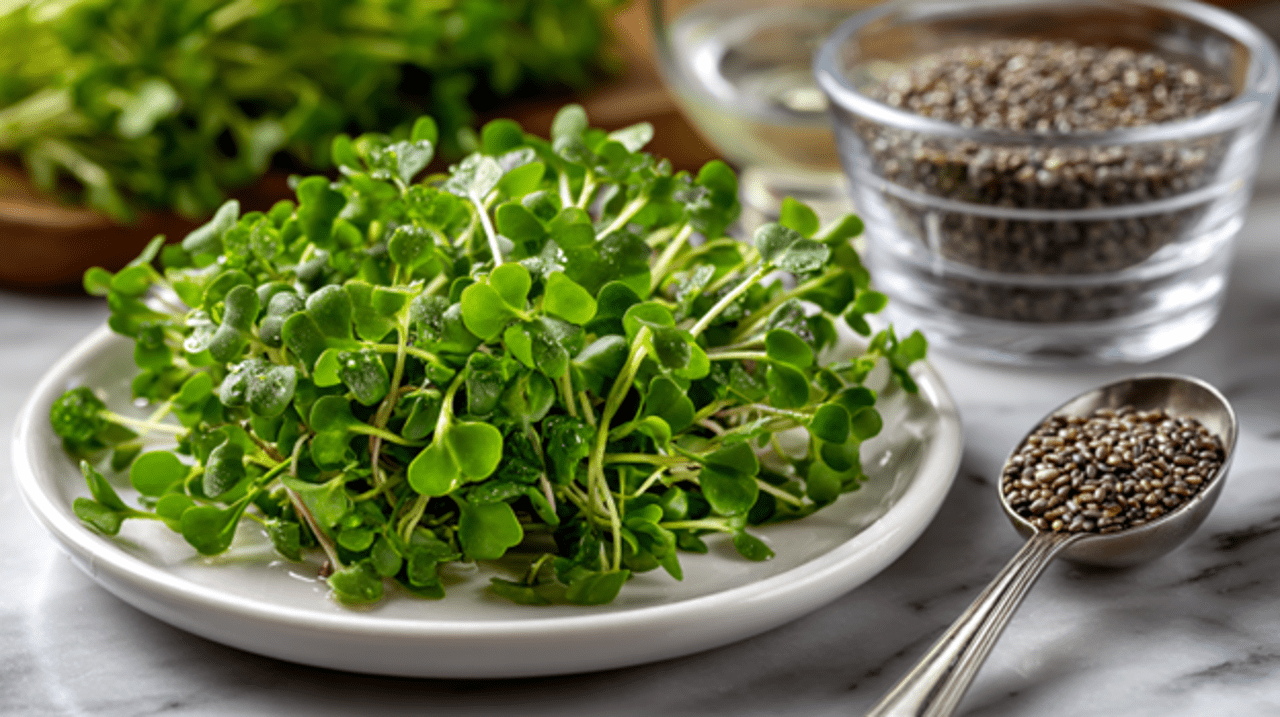
When scientists at the Maharashtra Institute of Technology analyzed alfalfa microgreens under laboratory conditions, they revealed nutritional numbers that made even seasoned researchers do double-takes — we’re talking about protein levels that rival expensive supplements and vitamin concentrations that put conventional produce to shame.
The 35.2% protein content in powdered form surpasses even arugula microgreens protein levels, while the vitamin K delivery (29% daily value) outperforms arugula microgreens vitamins significantly.
Alfalfa’s 35.2% protein content and 29% daily vitamin K delivery eclipse even arugula microgreens’ impressive nutritional profile.
Fresh sprouts pack B-complex vitamins at concentrations rarely seen in leafy greens: B2 at 11%, B5 at 11%, plus substantial folate.
The mineral profile — including 10% phosphorus and zinc — demonstrates nature’s extraordinary nutritional engineering.
If you’re wondering whether those impressive nutritional numbers actually translate into real health benefits, the clinical evidence will blow you away — researchers have documented alfalfa’s ability to tackle everything from high cholesterol to blood sugar spikes with mechanisms that pharmaceutical companies would envy.
European studies revealed an 18% cholesterol reduction through saponins binding bile cholesterol, while fiber-mediated glucose control helps diabetics maintain steady blood sugar.
Like arugula microgreens antioxidants, alfalfa’s compounds neutralize disease-causing free radicals.
Though lacking arugula microgreens calcium levels, alfalfa’s vitamin K content strengthens bones by improving calcium utilization — proving these sprouts deliver measurable, mechanism-driven health improvements.

While alfalfa’s nutritional benefits might tempt you to plunge headfirst into daily consumption, understanding the safety protocols and potential contraindications could literally save your life, particularly if you’re pregnant, taking medications, or dealing with autoimmune conditions.
Unlike gentler options like arugula microgreens, alfalfa contains phytoestrogens that interfere with birth control and pregnancy hormones.
If you’re taking Warfarin, alfalfa’s vitamin K content can dangerously alter your medication’s effectiveness — requiring immediate dosage adjustments under medical supervision.
Most health advice fails not from lack of quality information, but from the absence of a structured implementation plan. You’ve likely tried approaches that promised big results but left you feeling overwhelmed and unsure about what to do next. The missing piece wasn’t better information—it was a framework that transformed knowledge into action. That’s exactly what the Phytonutrient Targeting System™ provides.
| Phase | Action | Application |
| Pinpoint | Identify specific inflammatory concerns | Match cholesterol issues with alfalfa’s 18% reduction benefits |
| Acquire | Source high-quality microgreens consistently | Establish reliable supply through growing or purchasing |
| Consume | Follow science-based protocols | Implement optimal dosages for your health goals |
| Track | Document objective improvements | Monitor cholesterol levels, energy, and inflammation markers |
We’ve designed this framework specifically for individuals seeking measurable health transformation — because sustainable wellness shouldn’t depend on guesswork or motivation alone.
We’ve revealed compelling evidence that alfalfa microgreens aren’t just another health trend. They’re a legitimate nutritional powerhouse backed by solid research. The 35% protein content and proven cholesterol reduction make these tiny greens worth serious consideration for anyone seeking affordable, science-based nutrition.
Whether you’re growing them on your kitchen counter or exploring commercial opportunities, the data speaks clearly: it’s time we stopped feeding all the good stuff to cattle and started claiming these benefits for ourselves.
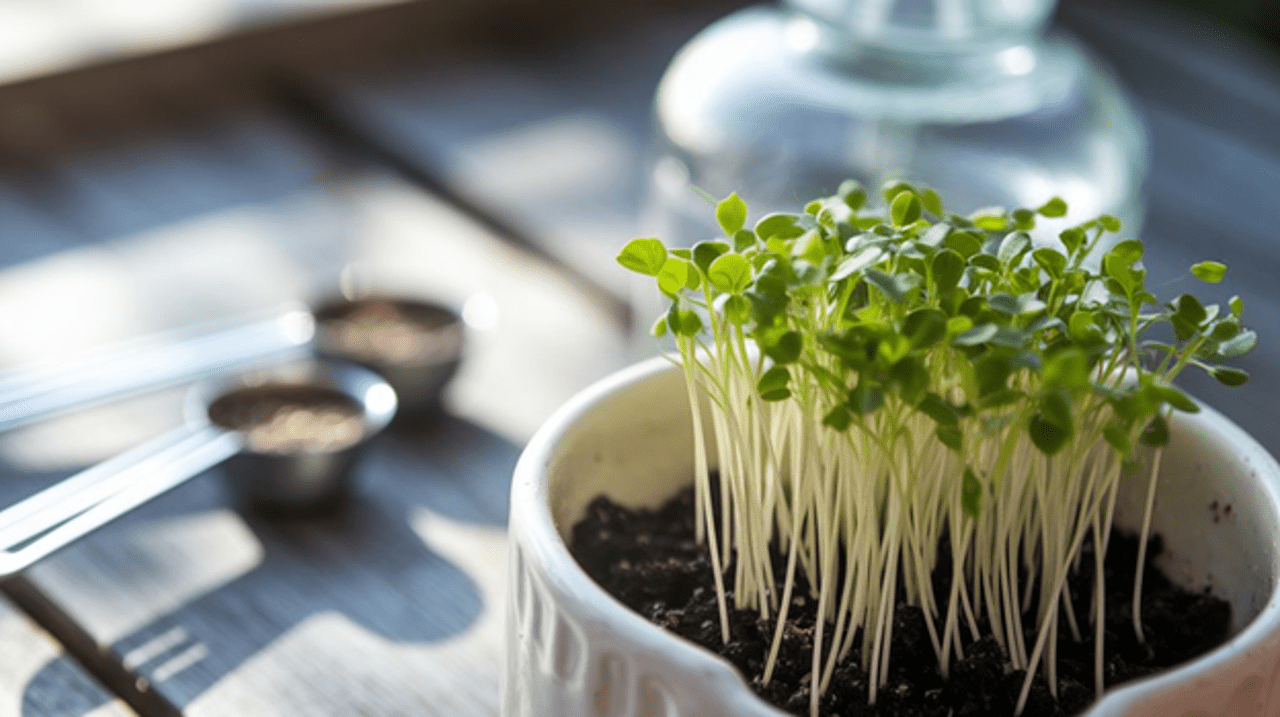
What’s the Best Container Size for Growing Alfalfa Microgreens at Home?
Use shallow containers 3-4cm deep (1-2 inches) for alfalfa microgreens. Standard 10×20 inch propagation trays work well, but containers should be “filled to around three-quarters of the container height” with growing medium for optimal drainage and airflow.
How Many Days Until Alfalfa Microgreens Are Ready to Harvest?
Alfalfa takes 6-7 days for sprouts and 8-14 days for microgreens. Critical safety note: alfalfa contains canavanine toxin that breaks down after 7 days, so never harvest before day 7 to avoid potential toxicity.
How Long Do Fresh Alfalfa Microgreens Last in the Refrigerator?
Fresh alfalfa microgreens last only 1-2 days when properly stored. “Microgreens can be stored for one to two days in a sealed plastic bag in the refrigerator” – much shorter than the claimed 3-5 days.
The Simple Kitchen Method That Cuts Cholesterol Better Than Lipitor
European doctors discovered this 7-day sprouting technique reduces bad cholesterol by 18% in just 12 weeks – with zero side effects. Get the complete method now, plus 3 recipes that take under 10 minutes to make.
Get The Complete Method.
Below is a comprehensive list of citations used in the article.
Bankar, S. S., Jadhav, D. A., & Mohite, P. R. (2023). Development of nutrition rich food product using alfalfa sprouts powder. International Journal of Horticulture and Food Science, 5(1), 20-24. https://doi.org/10.33545/26631067.2023.v5.i1a.150
García-Tenesaca, M. M., Mercè Llugany, Boada, R., María-Jesús Sánchez-Martín, & Valiente, M. (2024). Phytochemical Profile, Bioactive Properties, and Se Speciation of Se-Biofortified Red Radish (Raphanus sativus), Green Pea (Pisum sativum), and Alfalfa (Medicago sativa) Microgreens. Journal of Agricultural and Food Chemistry, 72(9), 4947–4957. https://doi.org/10.1021/acs.jafc.3c08441
Latif, A., Sun, Y., & Noman, A. (2023). Herbaceous Alfalfa plant as a multipurpose crop and predominant forage specie in Pakistan. Frontiers in Sustainable Food Systems, 7, 1126151. https://doi.org/10.3389/fsufs.2023.1126151