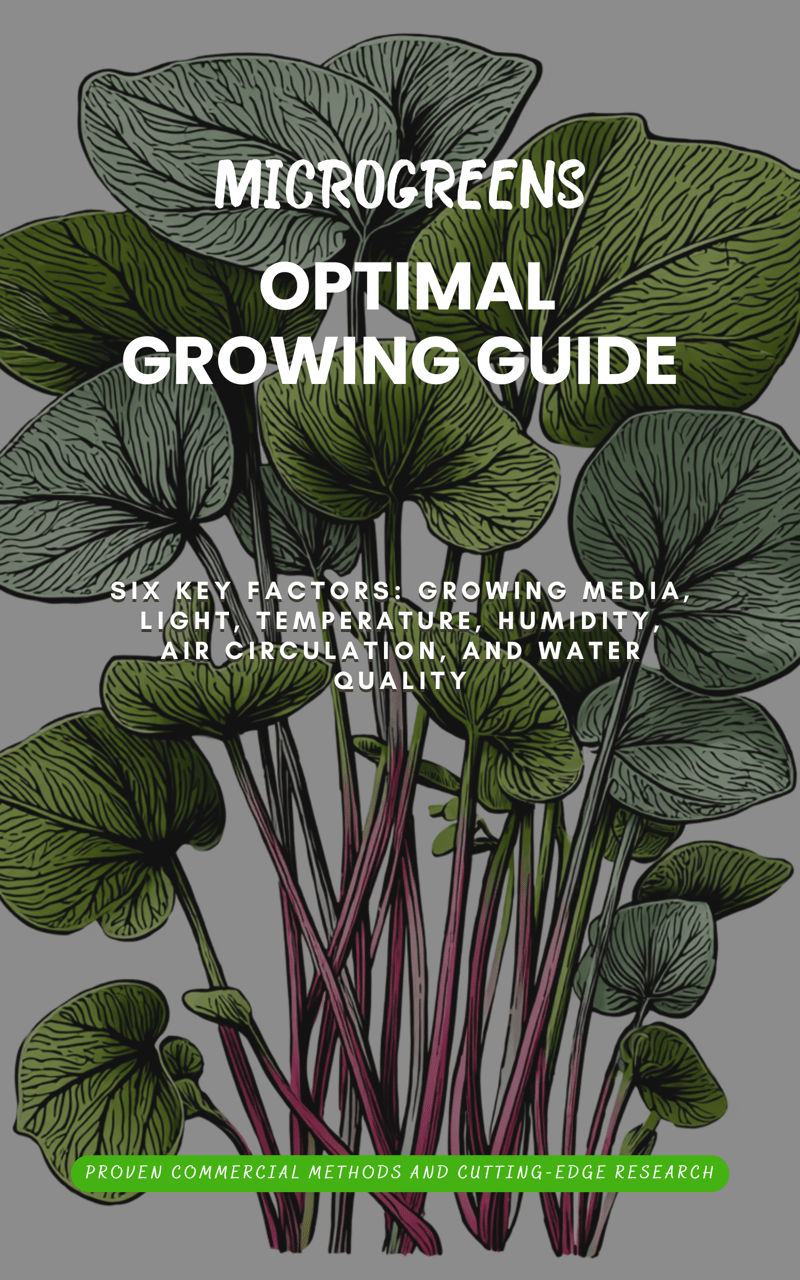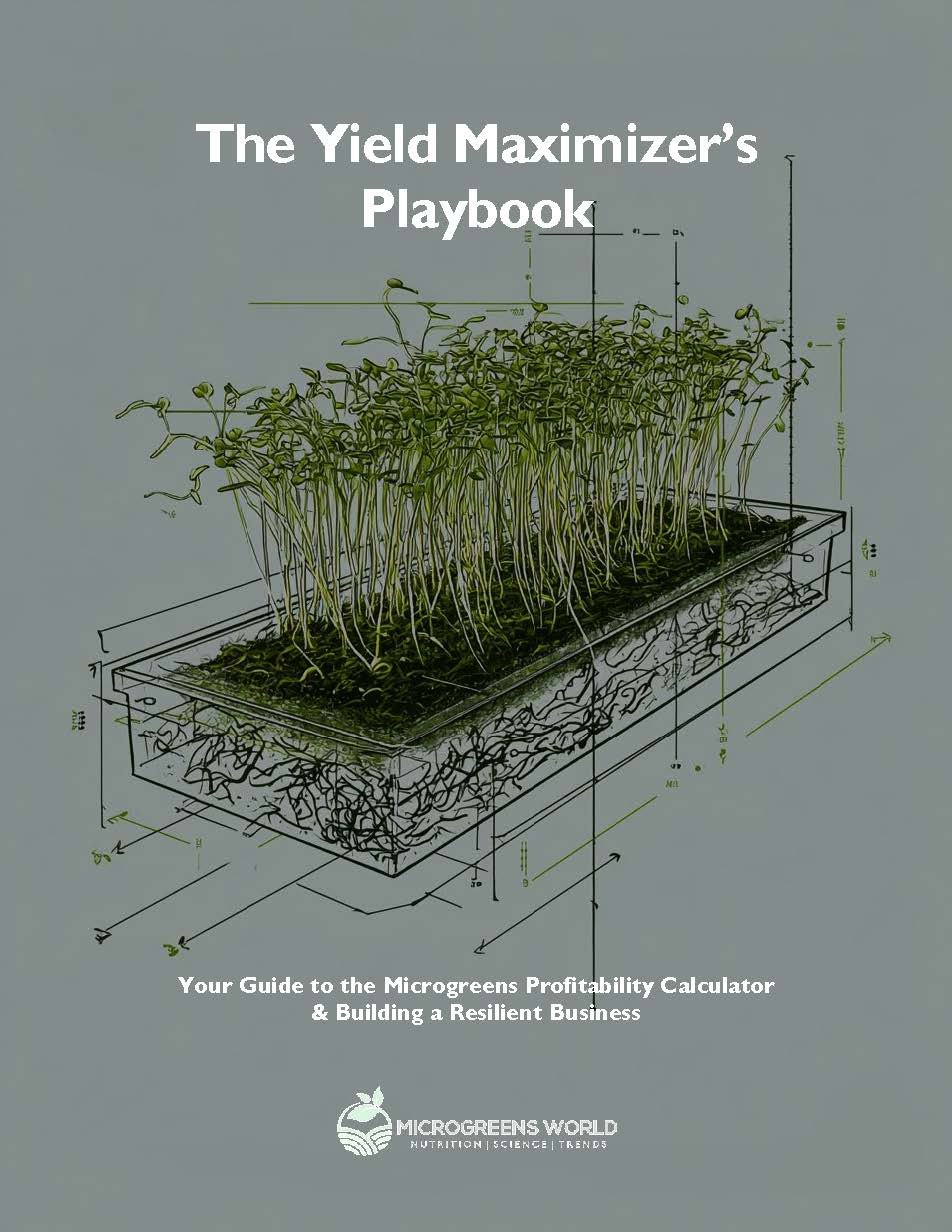
Microgreens Research Assistant
You followed the advice. Lights at 16 hours. Misted twice a day. Tray still came out wrong.
Here’s why: your growing room isn’t their growing room. What works in a basement in Denver fails in a spare bedroom in Cape Town.
1,000+ peer-reviewed studies. Answers built for your setup, not someone else’s.
Free to search. Upgrade from $9/mo.
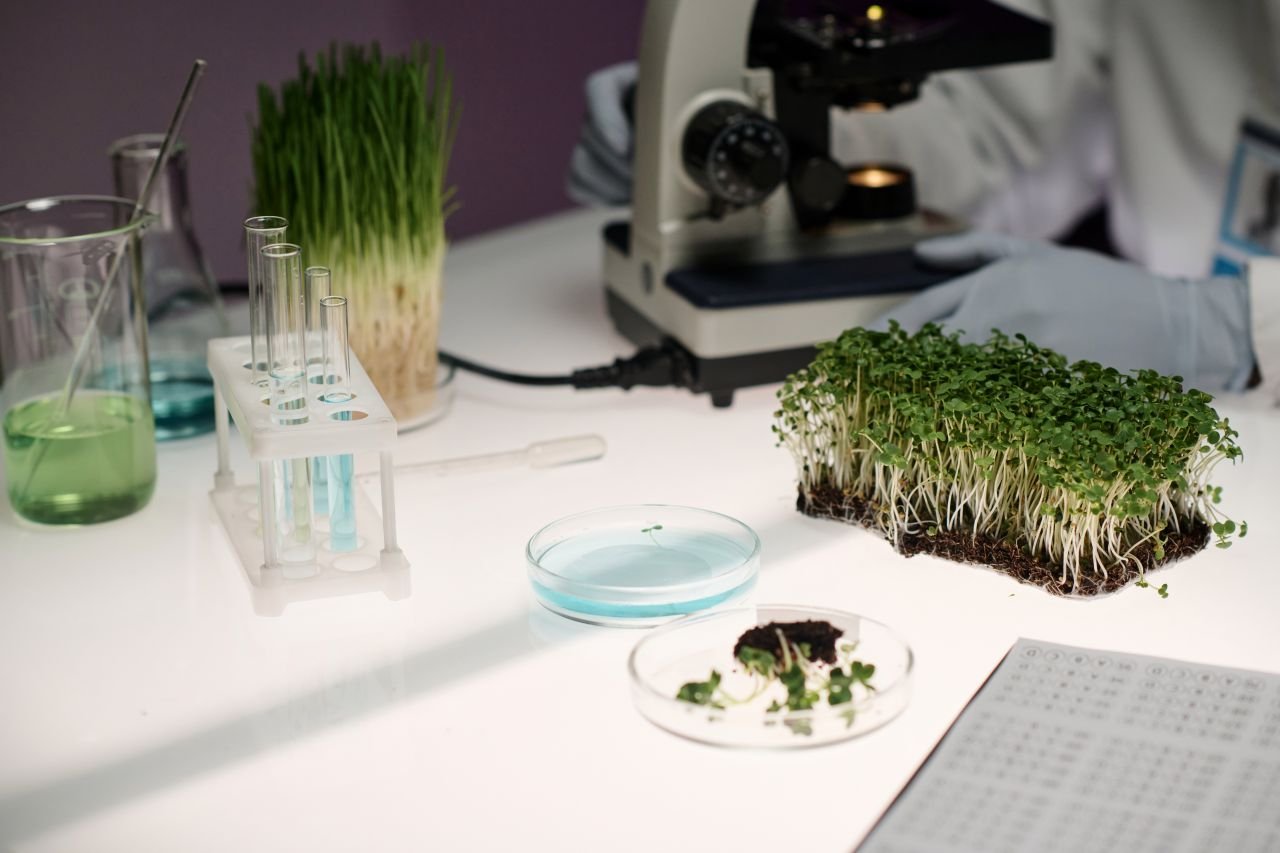


Stop Losing Trays to Problems You Could Have Prevented
Pests, wrong varieties, food safety violations. Three problems that cost growers real money. Each guide gives you the fix.
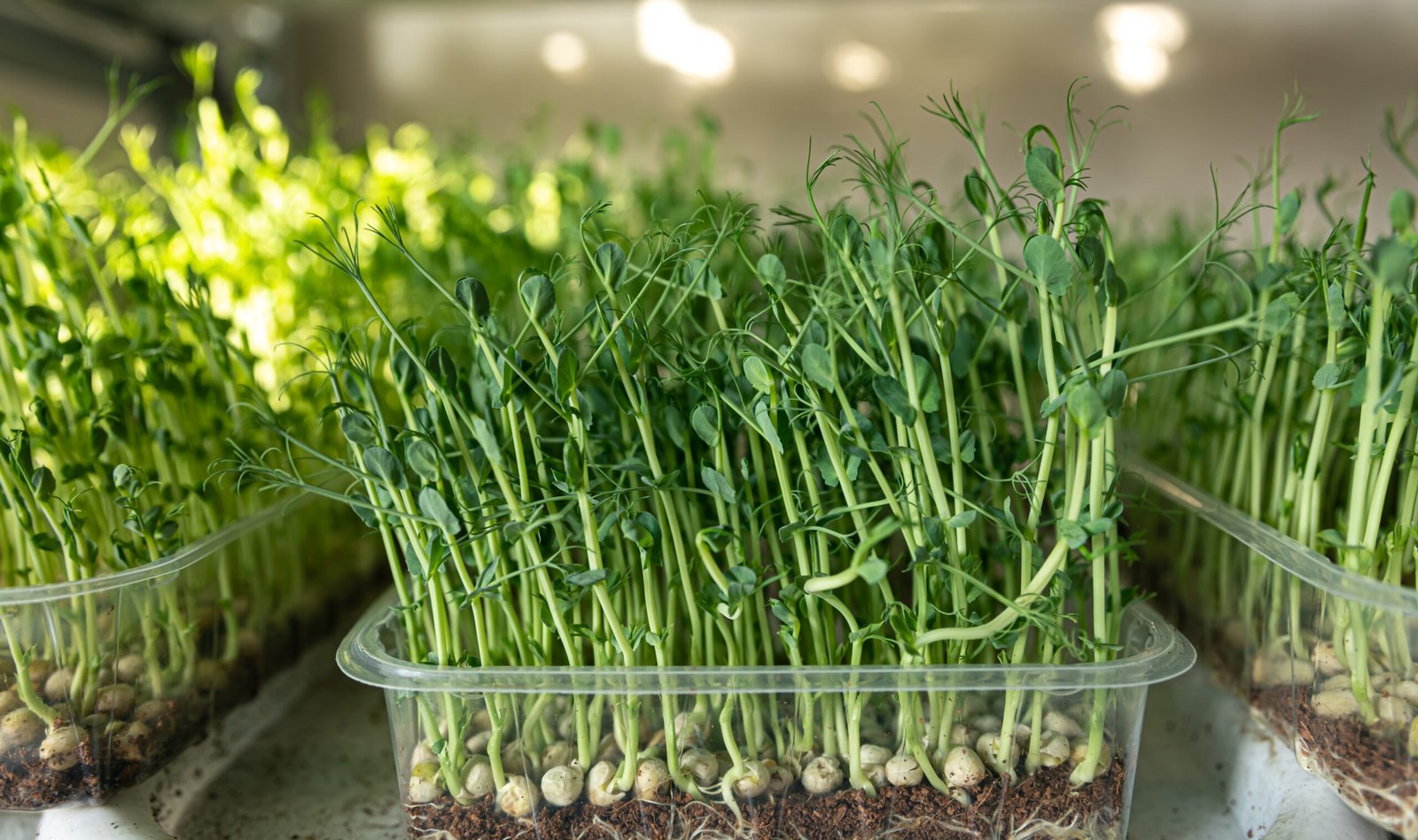
Microgreens Pest Control Guide
One bad infestation can wipe out a week of trays. Know what you’re looking at and how to kill it before it spreads.
Prevent
Treat
The Edible Plant Catalog for Growing Microgreens
Growing the wrong variety wastes seeds, time, and tray space. Pick the right ones based on flavor, yield, and grow time.
Winners
Skip duds
Microgreens Food Safety Guide
One failed inspection can shut you down. Get the HACCP plans, sanitation protocols, and labeling templates to pass every time.
Inspections
Labels
🌍 1.2M+ people in 170 countries trust Microgreens World since 2017.
Stop Overthinking Your Setup
Bad seeds, cheap lights, and flimsy trays ruin crops before they start. We tested it. Here’s what works.
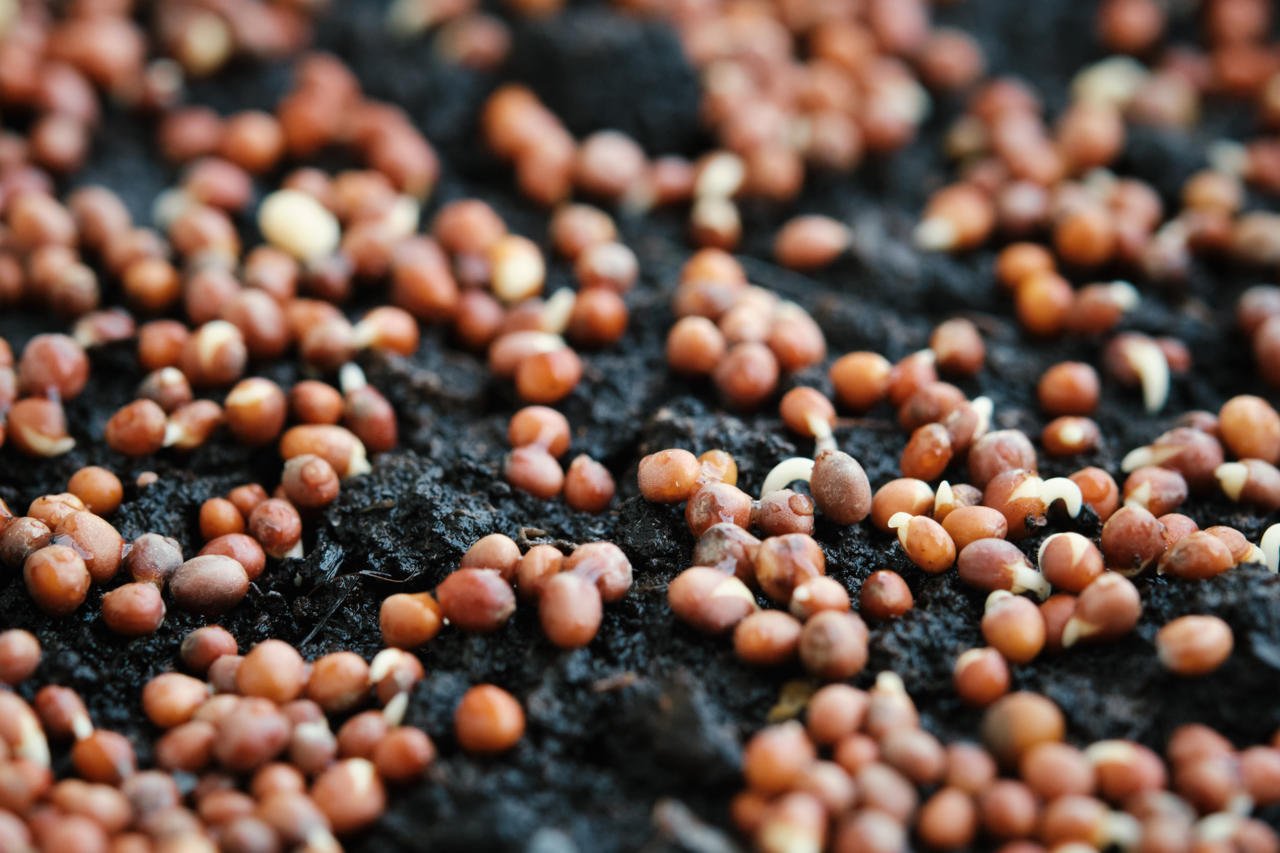
Best Seeds for Growing Microgreens
Cheap seeds mean low germination, uneven trays, and wasted time. Our picks based on variety, germination rate, and where to buy.

Best Trays for Growing Microgreens
Thin trays warp. Bad drainage breeds mold. The right 10×20 tray lasts years and keeps every crop consistent. Our top picks for 2026.
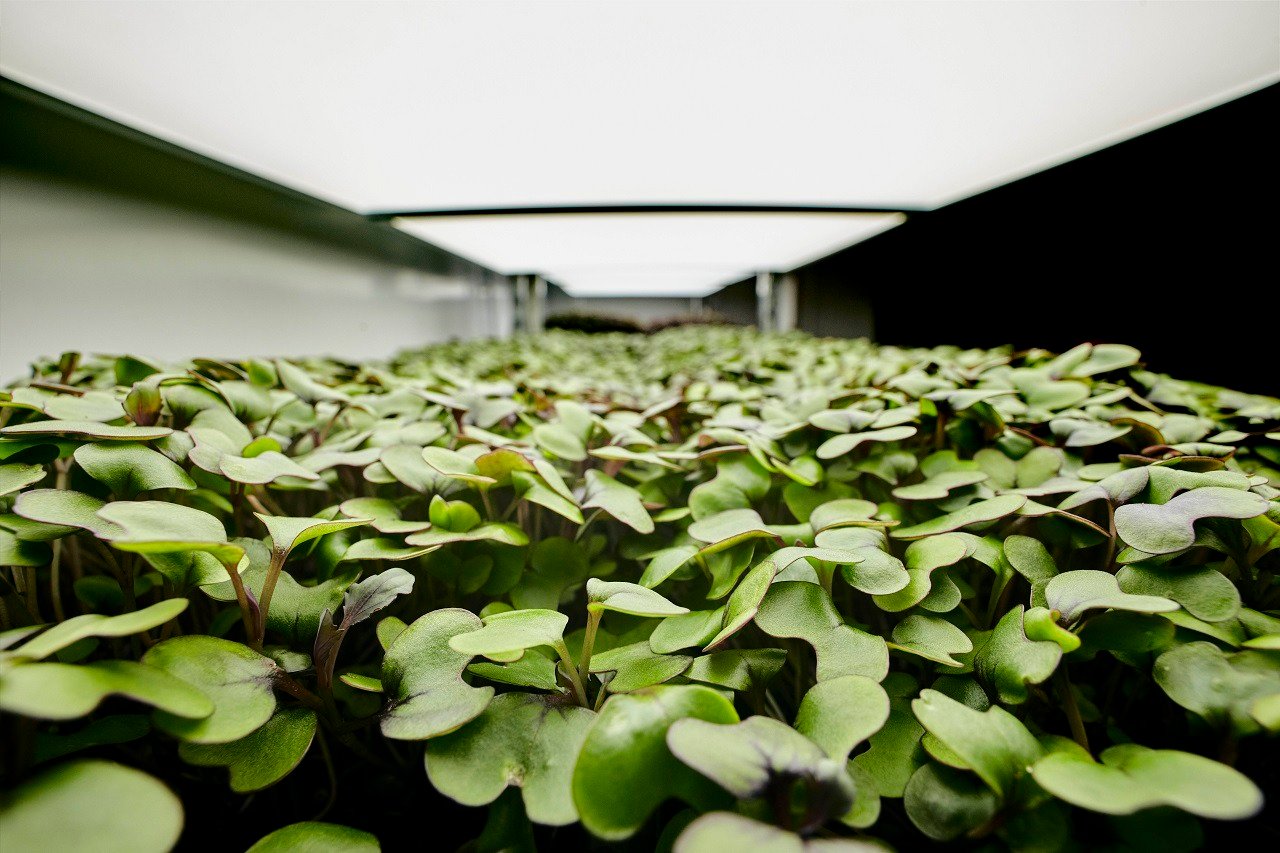
Best Lights for Growing Microgreens
Wrong spectrum, wrong distance, wrong timer. Bad light is the #1 reason trays go leggy. Our top picks for every budget and setup.
🌍 1.2M+ people in 170 countries trust Microgreens World since 2017.
Find What’s Going Wrong. Fix It by Growing Factor.
Every growing issue ties back to one of six factors. Pick yours.

General
Microgreens Farmers: Are You Making This Critical Food Safety Mistake?
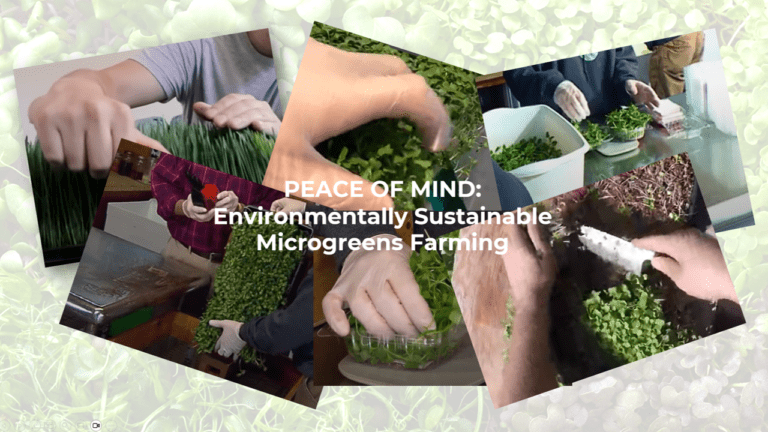
Learn essential food safety practices for microgreens farming, from basic protective measures to advanced growing techniques. Discover why 50% of farms fail and how to ensure your success.
How Long Can You Store Microgreens at Home?

My family loves microgreens, but we’re not big on left overs. That’s why when my son asked, “How long can you store microgreens”, it got me thinking.
The Ultimate Guide To Crop Planning With Software For Microgreens Growers
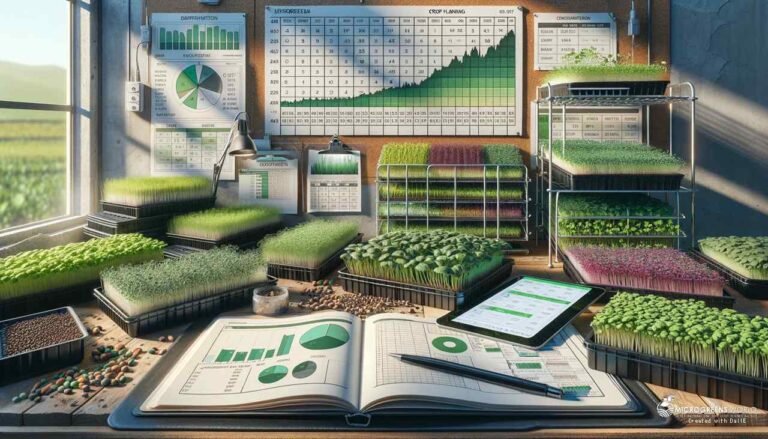
Microgreens crop planning is a strategic process involving selecting varieties, scheduling planting, and determining quantities based on customer orders and market demand. It encompasses setting growth objectives, ordering seeds, and systematically tracking cultivation, processing, and maintenance tasks to inform future cultivation cycles.
Food Safety for Small Microgreens Growers
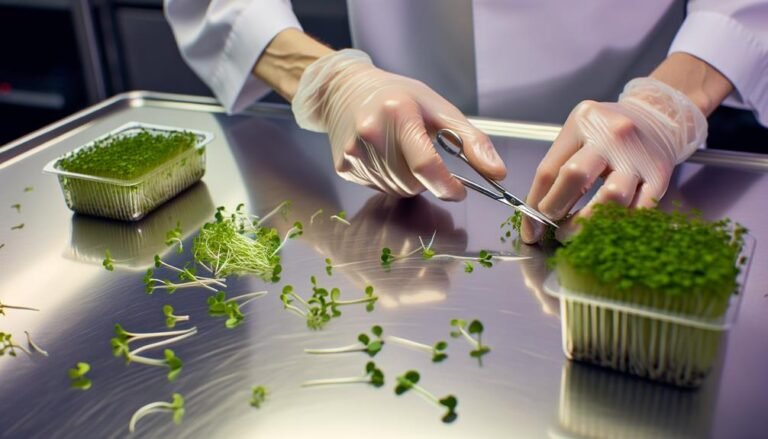
Protect your microgreens business by implementing essential food safety practices, from seed selection to post-harvest handling, and ensure customer well-being.
Nanoplastic and Microplastic Uptake in Microgreens: A Growing Concern
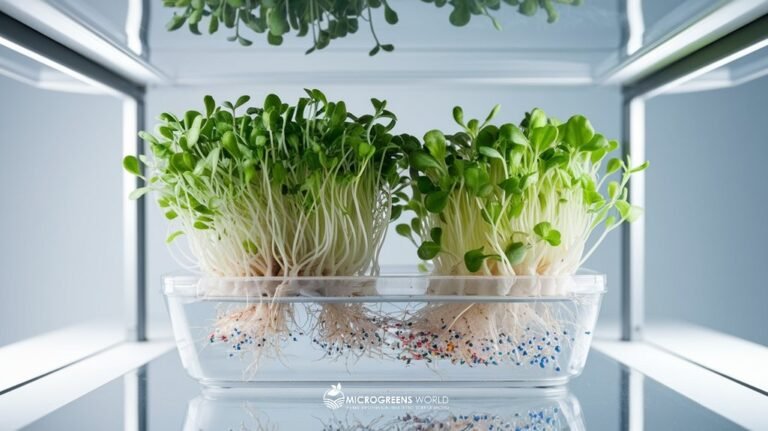
Microgreens absorb microplastics through their roots—but are they still safe to eat? Discover the latest research on nanoplastic contamination and how to reduce your risk.
Maximizing Microgreen Harvest: The Ultimate Guide to Timing, Techniques, and Flavor
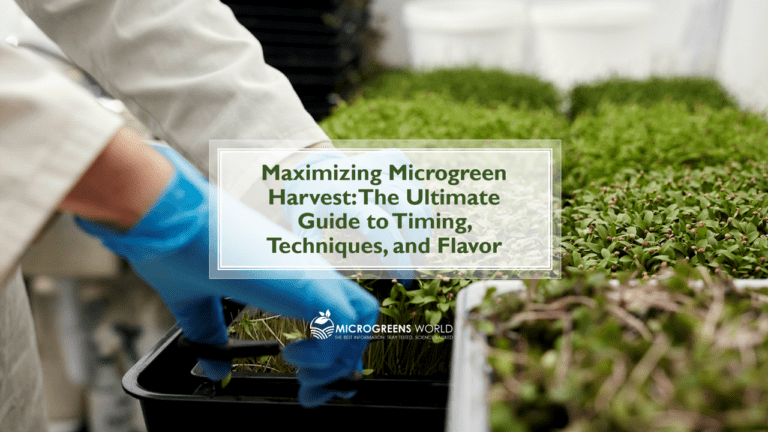
Knowing when to harvest microgreens is crucial for capturing their full potential. The optimal harvest time varies depending on the variety and growth stage. Generally, microgreens are ready for harvest within 7-14 days after sowing once they reach the true leaf stage. However, visual cues play a significant role in determining the perfect moment.
Unleashing the Power of Microgreens in Permaculture – A Sustainable Home Gardener’s Guide
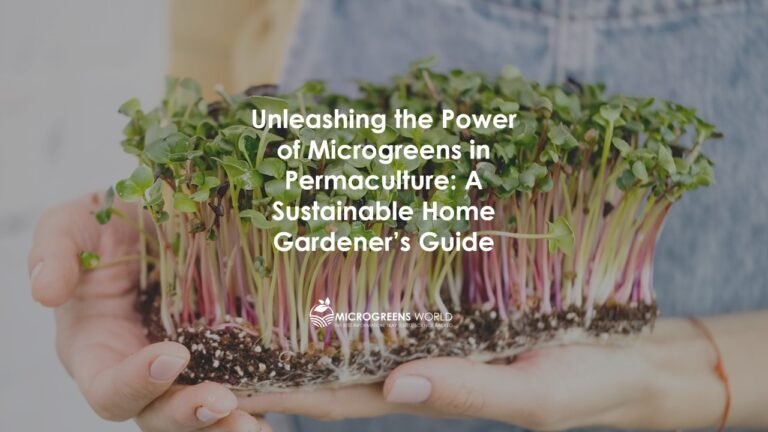
In permaculture systems, microgreens, seedlings of vegetables, and herbs play an essential role. They enhance soil fertility, promote biodiversity, and provide a sustainable source of nutrient-rich food, revolutionizing home gardening and urban farming practices.
The Complete Guide to Organic Microgreens Farming: For Home Gardeners and Entrepreneurs

Organic microgreen farming uses certified organically pathogen-free seeds, no synthetic chemicals or pesticides, follows good agricultural practices (GAP), and the resulting microgreens have increased nutrient content, reduced risk of contamination, and better taste. Some examples of microgreens that can be grown organically include broccoli, kale, radish, and arugula.
Best Microgreens Growing Kits in 2026 – A Comprehensive Review & Buyer’s Guide
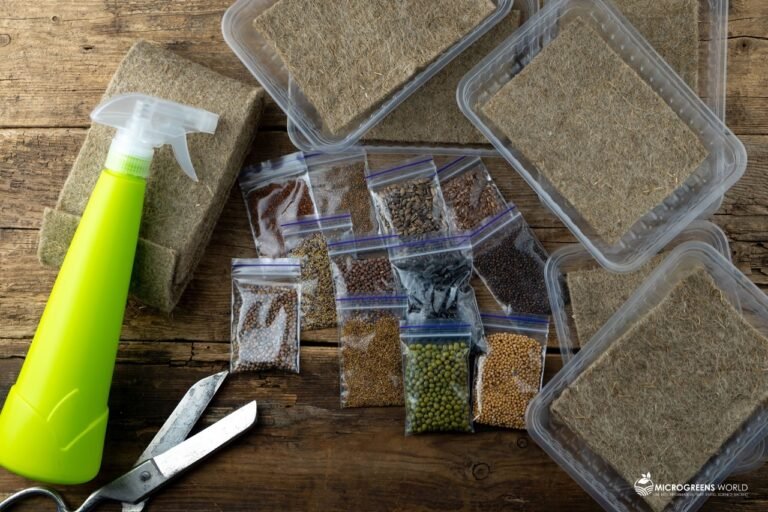
Eight microgreens growing kits tested and ranked for 2026. Prices run from $6.99 to $149. Every kit on this list grows harvest-ready microgreens in 7 to 15 days. Find the right one for your home, budget, and experience level.
Microgreens Can Be Dehydrated: The Easiest and Most Economical Method for Drying and Preserving (Electric Dehydration)

Lately, I have noticed we throw away leftover microgreens, even after putting them in the fridge. Yesterday I asked my wife, “how can we preserve our microgreens longer than a week?” She answered, “why don’t we try drying microgreens? My mom used to dry herbs and flowers back in the old country. I’m sure there has to be new technology.”
Microgreens Post-Harvest Processing: Protocols Ensuring Freshness and Food Safety
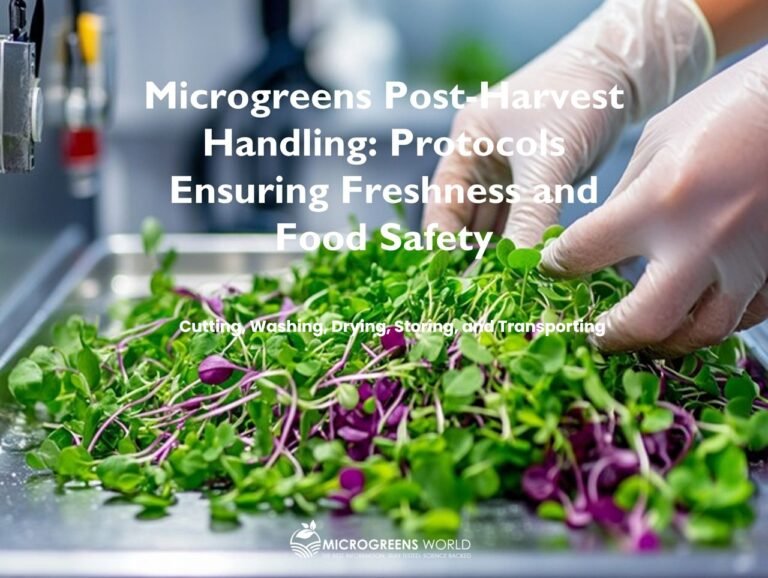
Successfully managing microgreens after harvest requires precise handling, but what many growers don’t realize can drastically impact their crop’s quality.
Growing Media
Biodegradable Grow Mats for Microgreens: A Complete Guide to Sustainable Indoor Growing
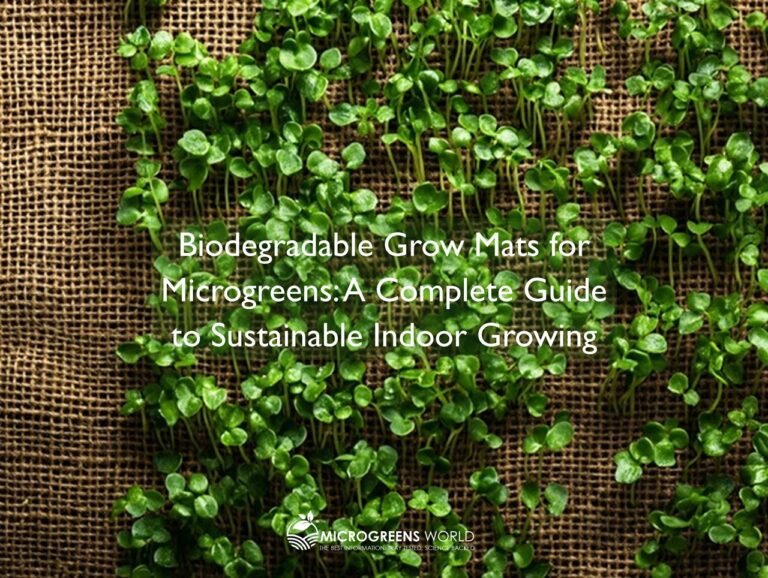
Peek into the eco-friendly world of biodegradable grow mats and discover how they’re revolutionizing sustainable microgreen cultivation.
Growing Microgreens At Home in Containers
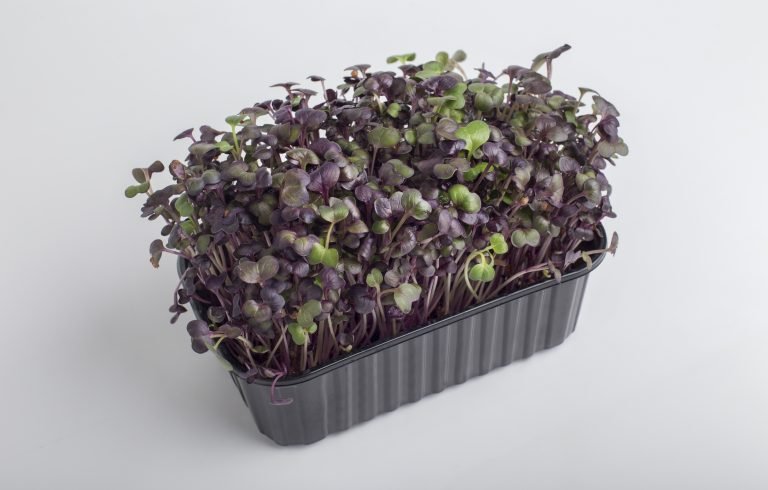
At dinner last Friday with my sister-in-law Lisa, she pointed at the arugula garnish on her salad and asked how to grow microgreens at home. Broccoli and radish germinate in 1 to 2 days and are ready to cut in 5 to 7 days.
Growing Microgreens Without Soil: A Sustainable Approach
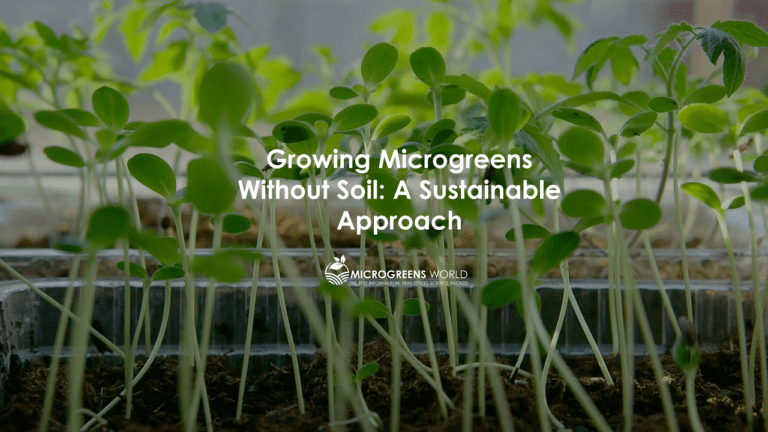
Growing microgreens without soil allows you to utilize alternative mediums such as hydroponics, biodegradable mats, coconut coir, vermiculite, and perlite methods. These approaches allow for better control over moisture levels, pH balance, and nutrient intake, resulting in faster growth and higher yields. Moreover, the absence of soil makes for a cleaner and more efficient way to cultivate microgreens.
From Sand to Salad: A Comprehensive Guide on Growing Microgreens in Sand
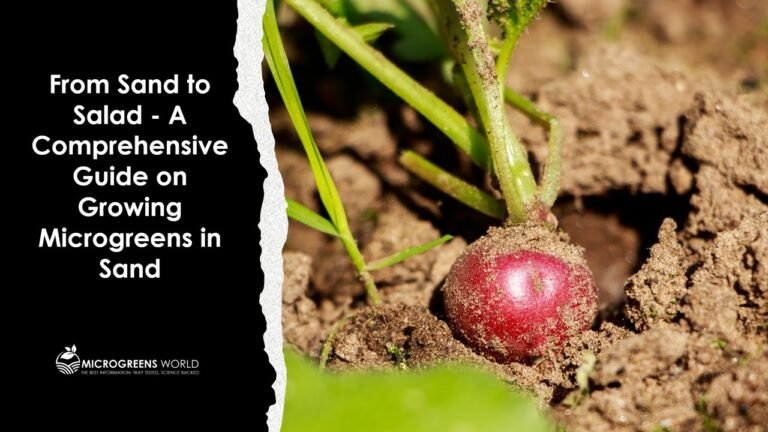
Growing microgreens in sand involves planting the seeds in a sand medium, providing adequate water and light. This method is beneficial as sand has excellent drainage, prevents overwatering, and is easily accessible and affordable.
Urban Gardening Revolution: How Compost Enhances Your Microgreens
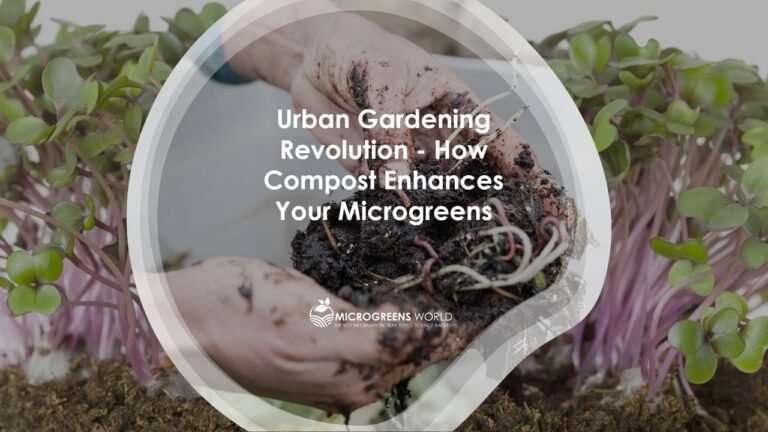
Compost, rich in organic matter and beneficial microbes, provides essential nutrients for microgreens, enhancing their growth and nutritional content. It’s a sustainable, cost-effective solution for urban dwellers and home gardeners and a promising business model for green entrepreneurs.
Seeds
Microgreen Growth Hacks: Unveiling the Secret to Managing Seed Hulls
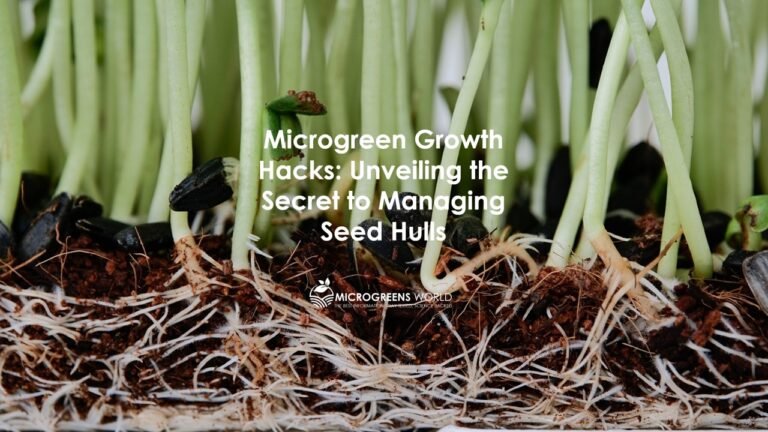
Seed hulls on microgreens can hinder their growth. Dealing with seed hulls on microgreens involves a few key steps: maintaining optimal humidity levels, gentle manual removal, and using a fan for air circulation. These methods ensure the hulls fall off naturally without damaging the delicate seedlings.
Seed Sourcing and Handling: Practical Steps for Safe Microgreens Production
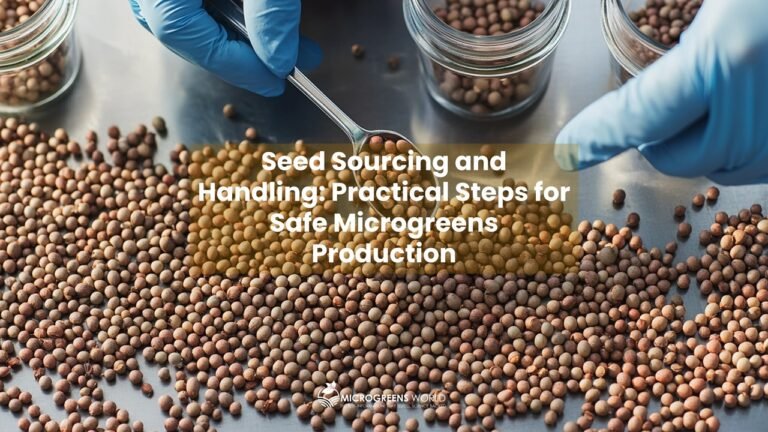
Growers can transform their microgreens operation through proper seed selection and handling, but one crucial mistake could ruin everything.
Microgreens Seeds: A Grower’s Guide to Selection, Cultivation, and Profit

Master microgreens from seed to profit with this complete guide. Learn the difference between seed types, foolproof growing techniques, and bulk buying strategies that can save you 80% on costs while building a profitable operation.
Top 30 Microgreens You Can Easily Grow Indoors
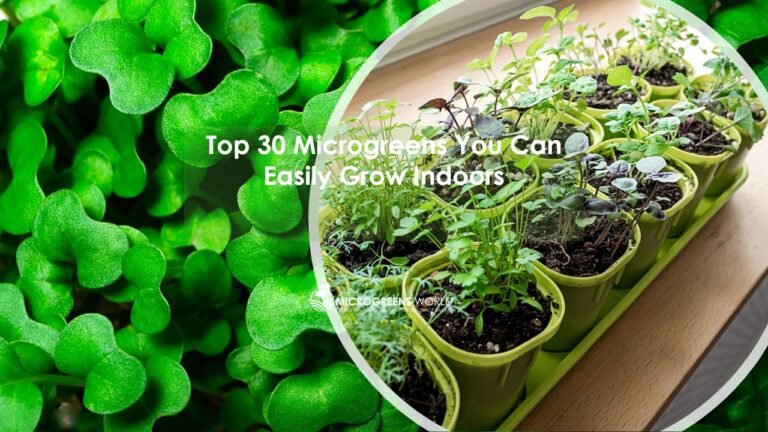
The top 30 microgreens you can easily grow indoors include radish, broccoli, arugula, kale, beet, sunflower, pea, basil, cilantro, and mustard greens. Grow these microgreens for their ease of cultivation, nutritional value, and flavor profiles. They can be grown in small containers, require minimal care, and are ready to harvest within 7-21 days, providing a continuous supply of fresh, nutrient-dense greens in your home.
What Microgreens To Grow
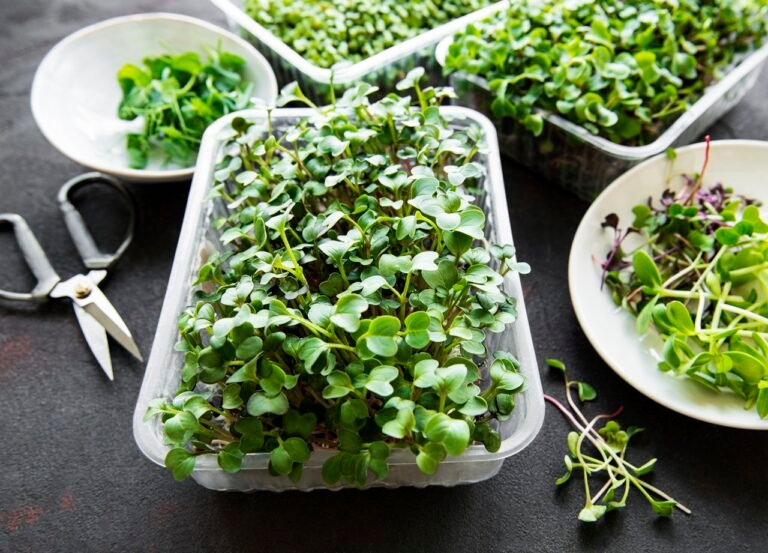
Turn your thumb green with our guide to choosing and cultivating the best nutrient-rich microgreens, perfect for every dish and diet.
The Definitive List: 1,500+ Types of Microgreens You Can Grow
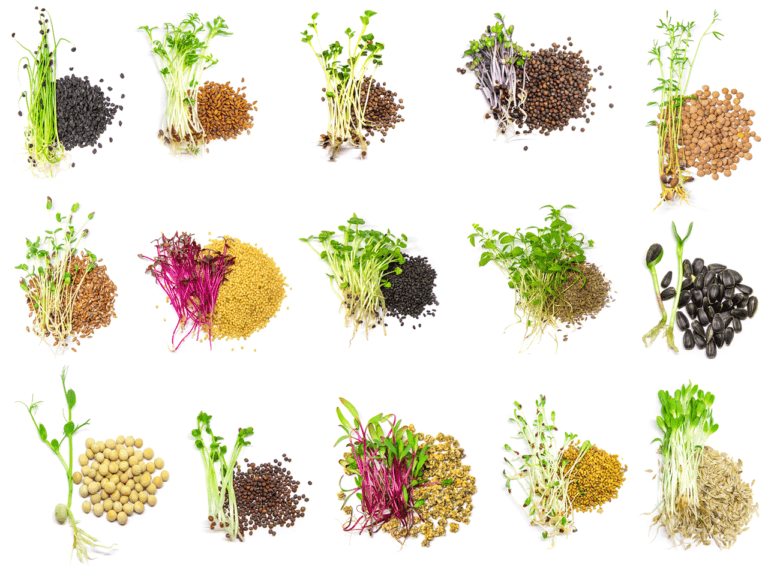
Scientists have identified over 1,500 plant species that can be grown as microgreens. Most seed catalogs show you 15 to 20. Here is the full list, sorted by what is commercially proven, what is worth experimenting with, and what to avoid entirely.
Light
Dim Light, Bright Greens: Your Guide to Growing Microgreens in Low Light Conditions
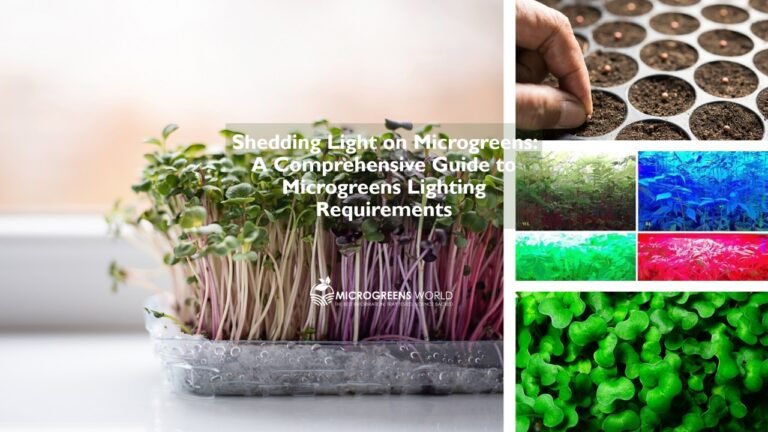
Growing microgreens in low light conditions involve selecting light-tolerant varieties, such as kale or mustard, and providing supplemental light if necessary. Optimal light conditions for microgreens generally range from 50 to 200 µmol/m²/s, but these plants can adapt to lower light intensities.
Beyond the Windowsill: Growing Microgreens on Your Balcony or Patio
 Read MoreBeyond the Windowsill: Growing Microgreens on Your Balcony or Patio
The Easy Guide® To Growing Microgreens at Home
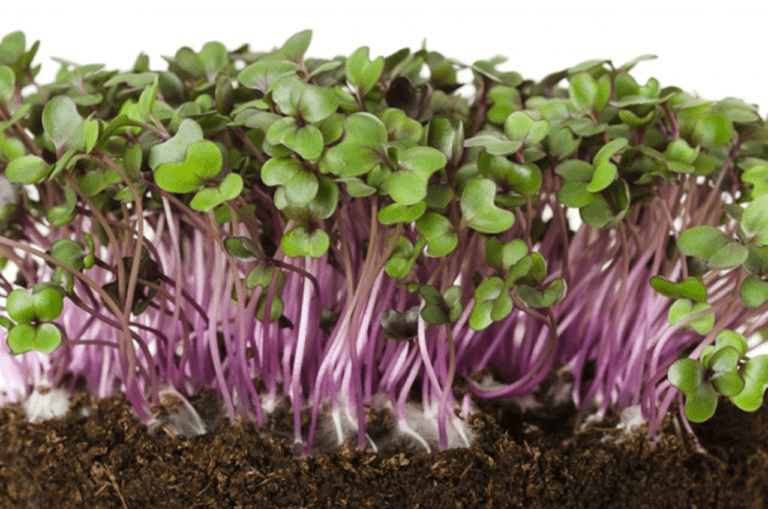
Microgreens grow to one to three inches in height. They are small and come in various robust flavors, bright colors, and crunchy tastes. They are the tender, immature seedlings of edible vegetables and herbs with two developed embryonic leaves. They are young plants that haven’t grown to maturity. They offer a powerhouse of nutrition.
Shedding Light on Microgreens: A Comprehensive Guide to Microgreens Lighting Requirements
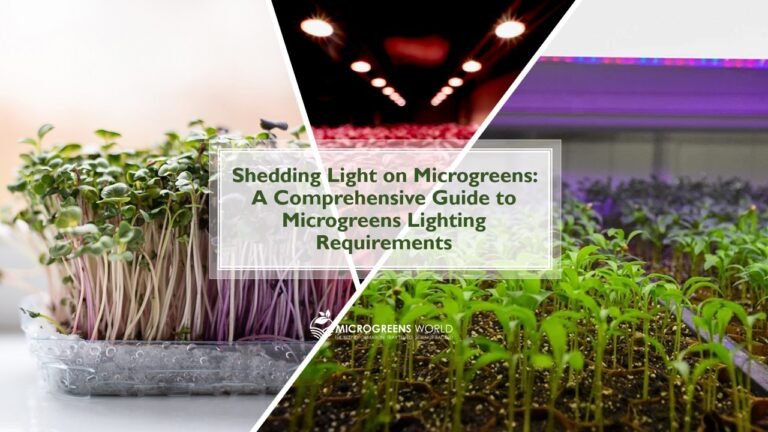
Microgreens need 200 to 400 µmol/m²/s of photosynthetic photon flux density, 12 to 16 hours of light per day, and a light source positioned 6 to 12 inches above the tray. Get those three numbers right, and most lighting problems disappear.
Harnessing the Power of Darkness: How the Blackout Period Enhances Taste, Flavor, Nutrient Density, and Yield in Microgreens
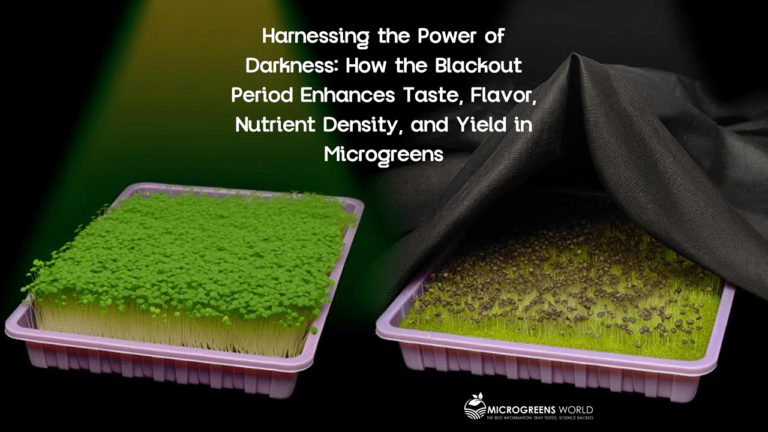
Discover how the blackout period enhances the growth, flavor, and nutrient density of microgreens. Learn optimal techniques to boost yield, improve root development, and achieve robust, flavorful plants.
Your Light Is Probably Wrong. Here’s How to Fix It.
Bad spectrum, wrong distance, or too many hours. Light is the #1 reason trays go leggy. This guide shows you exactly what to change for your setup.
Fix My Lighting →Climate Control
Proper Microgreens Airflow: Without it, They Wilt and Mold
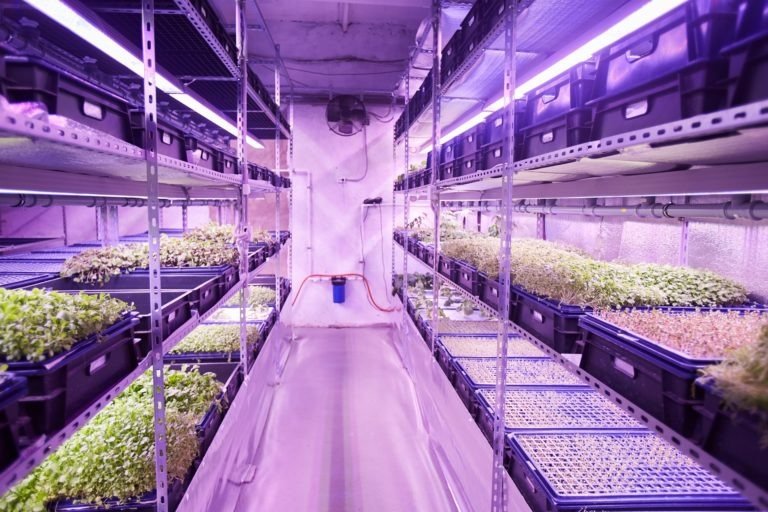
During the first few months of starting JPure Farms, we spent a lot of time fussing about microgreens airflow.
If you grow microgreens indoors (greenhouse, vertical or container farm, micro-urban farm, basement urban garden, or windowsill), then microgreens airflow and ventilation are essential considerations.
Unlocking the Growth Potential of Microgreens: A Deep Dive into Temperature and Humidity
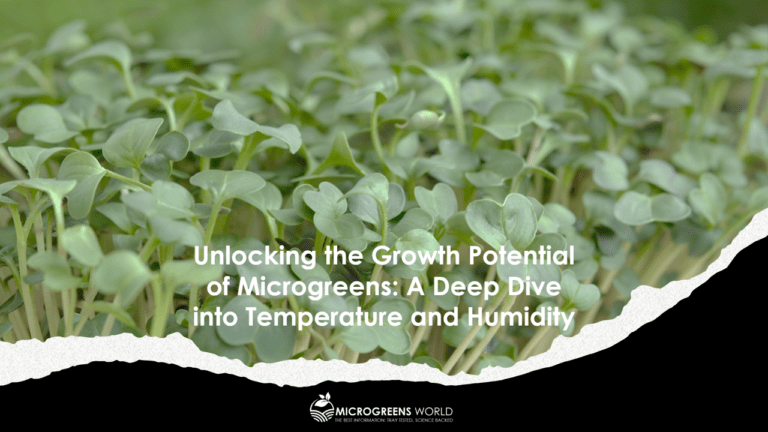
Most microgreens grow best in the 60°F to 75°F (15°C to 24°C) temperature range. The sweet spot ensures they germinate efficiently, soak up sunlight for photosynthesis, and grow into healthy plants. So, if you want your microgreens to flourish, you’ve got to keep an eye on those temperature and humidity levels.
How to Accelerate Growth in Your Microgreens: A Step-by-Step Guide
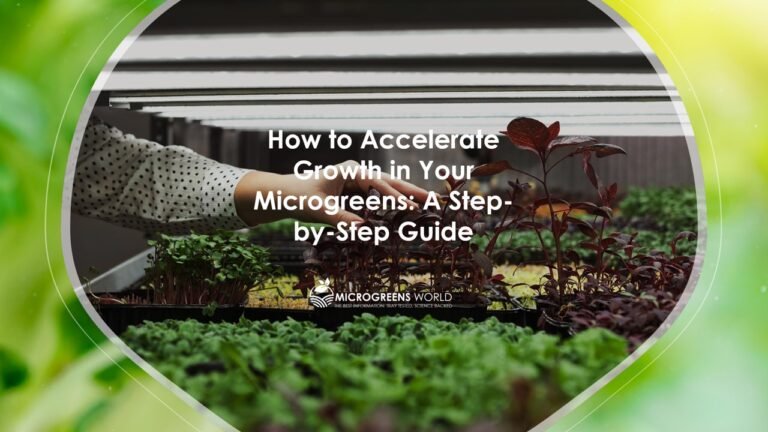
Slow growth in microgreens can be addressed by optimizing growing conditions, including light, temperature, and nutrient supply. Regular monitoring and adjustments can ensure healthy, rapid growth.
Optimal Growing Conditions: Ensuring Safe and Healthy Microgreens
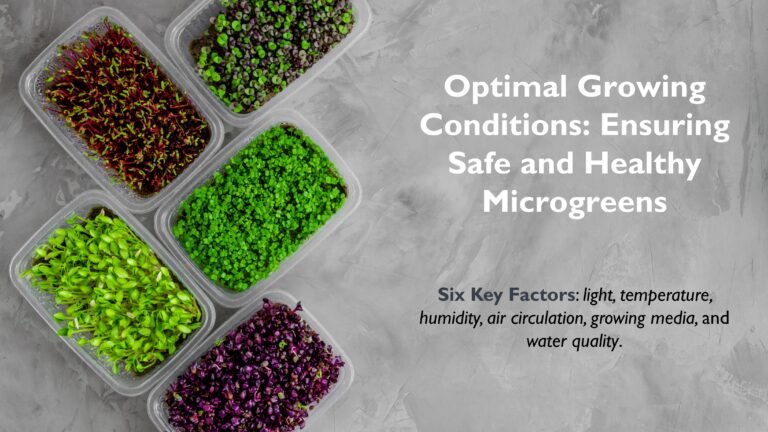
Learn crucial environmental factors and proven techniques that transform your microgreens from risky ventures into thriving, nutritious harvests.
What Are Fungus Gnats and Why Do They Target Microgreens?
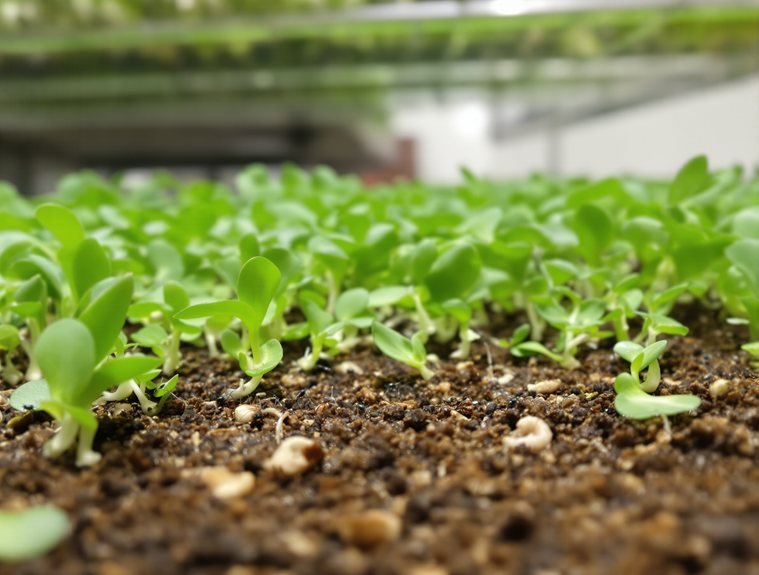
Wondering why tiny dark flies swarm your microgreen trays and how their rapid lifecycle threatens your entire crop within weeks?
Water Quality
Microgreens Watering Mastery: Your Ultimate Guide From Seed to Harvest
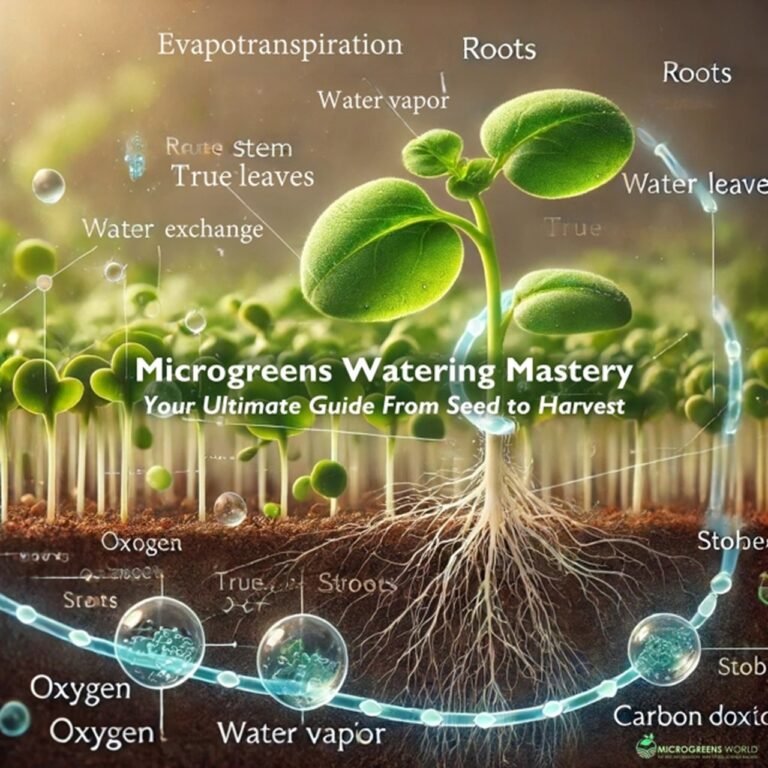
Achieve perfect microgreens with our ultimate watering guide from seed to harvest—discover the secrets to vibrant, healthy growth you won’t want to miss.
Does Liquid Fertilizer Affect the Flavor of Microgreens? Find Out!
Will liquid fertilizer make the microgreens taste bad? Some liquid fertilizers can be high in salts, affecting microgreens’ flavor and texture. However, liquid fertilizers can enhance microgreens’ flavor if used correctly and in moderation by providing the nutrients necessary for healthy growth. Choosing a high-quality liquid fertilizer and following the recommended dilution rates is essential. Additionally, it’s an excellent idea to taste-test your microgreens periodically to ensure they maintain their desired flavor profile.
Innovative Irrigation Systems for Urban Microgreen Farms
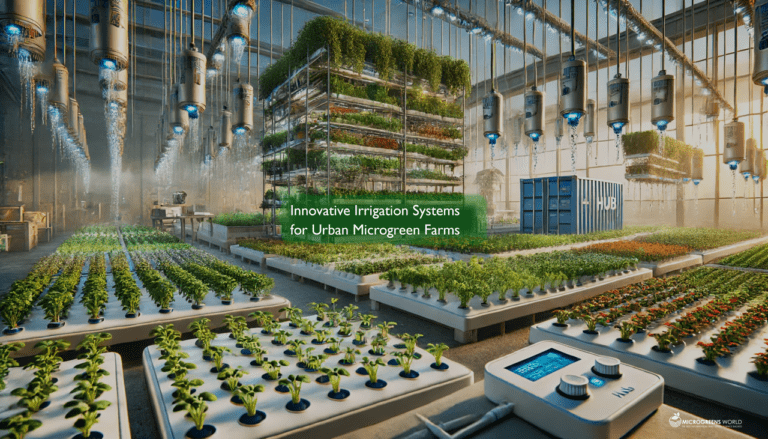
Need to revolutionize your urban microgreen farming? Discover innovative irrigation systems that save water and boost plant growth for ultimate sustainability.
You've read the articles. Now use the system that makes them work.
Apps, guides, and tested gear. Everything above is built to fix your grow.
FIX MY GROW →One Email a Week. Better Trays by Friday.
What to fix before your next harvest, and why it’s not working right now. No fluff. Just what moves the needle.
No spam. Unsubscribe anytime.