
Category GROWING
Microgreens Galore – Testing Your Microgreens
Shedding Light on Microgreens: A Comprehensive Guide to Microgreens Lighting Requirements
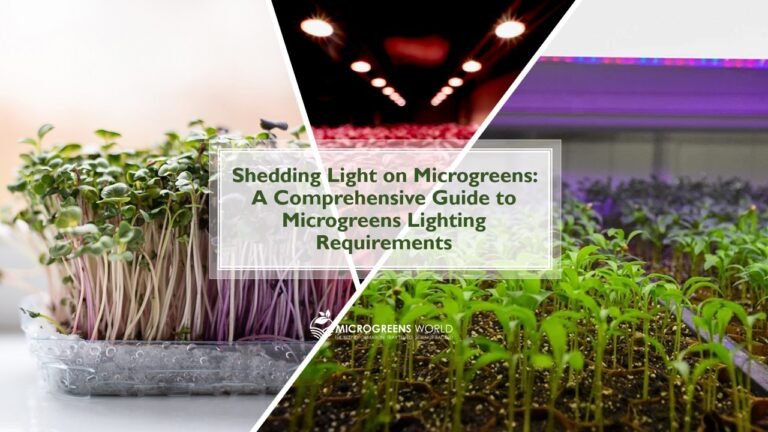
Microgreens require ample light for healthy growth. The best light for microgreens is full-spectrum, mimicking natural sunlight. Focusing on wavelengths of blue (440-470nm) and red (640-680nm) is crucial for photosynthesis. Light intensity, measured in photosynthetic photon flux density (PPFD), should…
Microgreens vs. Mushrooms: Unveiling the Nutritional Powerhouses
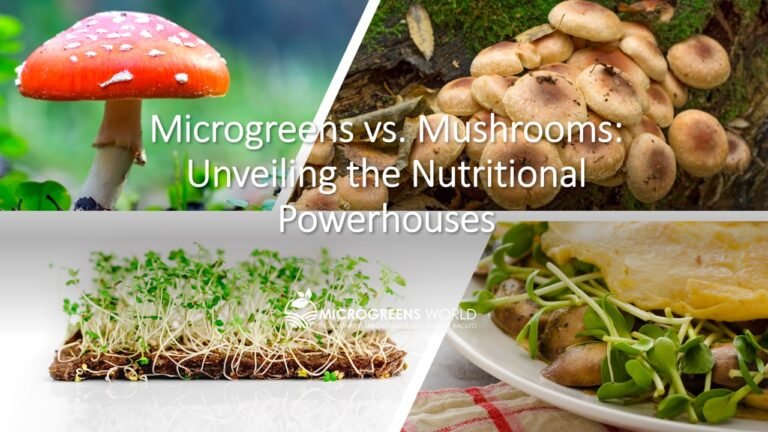
Microgreens and mushrooms, both nutrient-rich and versatile, are grown in controlled environments with a short growing period. Microgreens, young vegetable and herb seedlings, have a mild flavor and short shelf life. Mushrooms, fungi growing on organic matter, have an intense…
The Complete Guide to Organic Microgreens Farming: For Home Gardeners and Entrepreneurs

Organic microgreen farming uses certified organically pathogen-free seeds, no synthetic chemicals or pesticides, follows good agricultural practices (GAP), and the resulting microgreens have increased nutrient content, reduced risk of contamination, and better taste. Some examples of microgreens that can be…
Dim Light, Bright Greens: Your Guide to Growing Microgreens in Low Light Conditions
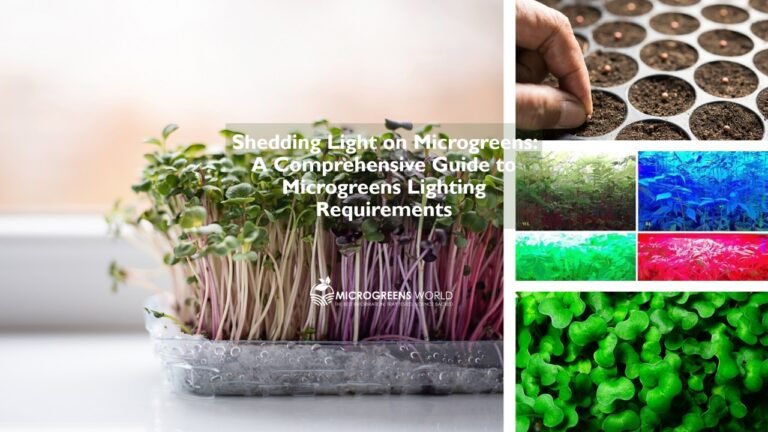
Growing microgreens in low light conditions involve selecting light-tolerant varieties, such as kale or mustard, and providing supplemental light if necessary. Optimal light conditions for microgreens generally range from 50 to 200 µmol/m²/s, but these plants can adapt to lower…
Microgreen Growth Hacks: Unveiling the Secret to Managing Seed Hulls
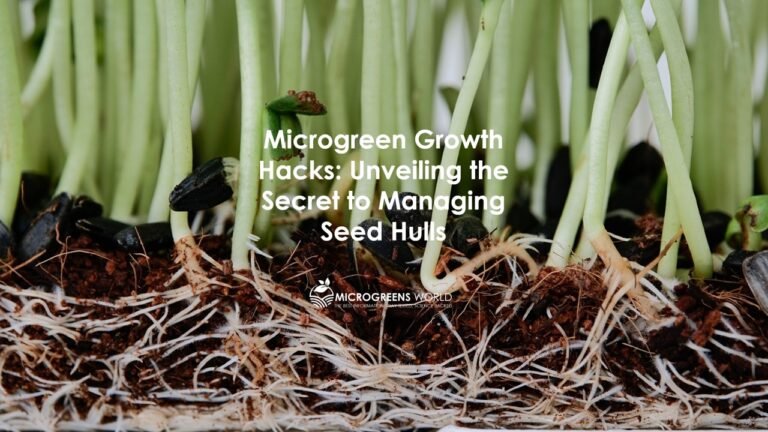
Seed hulls on microgreens can hinder their growth. Dealing with seed hulls on microgreens involves a few key steps: maintaining optimal humidity levels, gentle manual removal, and using a fan for air circulation. These methods ensure the hulls fall off…
How to Accelerate Growth in Your Microgreens: A Step-by-Step Guide
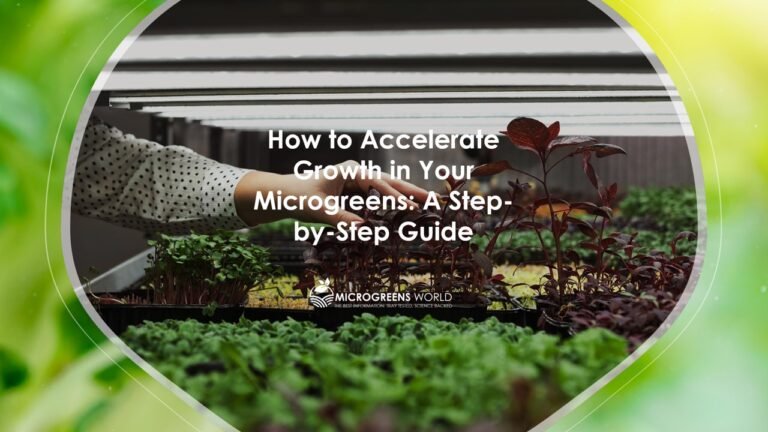
Slow growth in microgreens can be addressed by optimizing growing conditions, including light, temperature, and nutrient supply. Regular monitoring and adjustments can ensure healthy, rapid growth.
Urban Gardening Revolution: How Compost Enhances Your Microgreens
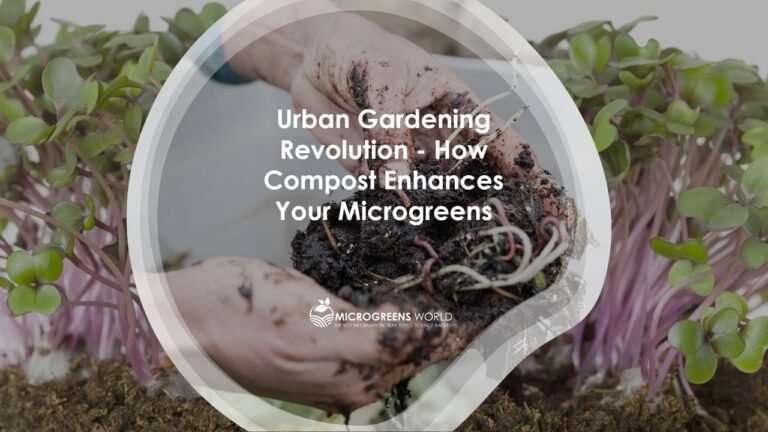
Compost, rich in organic matter and beneficial microbes, provides essential nutrients for microgreens, enhancing their growth and nutritional content. It’s a sustainable, cost-effective solution for urban dwellers and home gardeners and a promising business model for green entrepreneurs.
From Sand to Salad: A Comprehensive Guide on Growing Microgreens in Sand
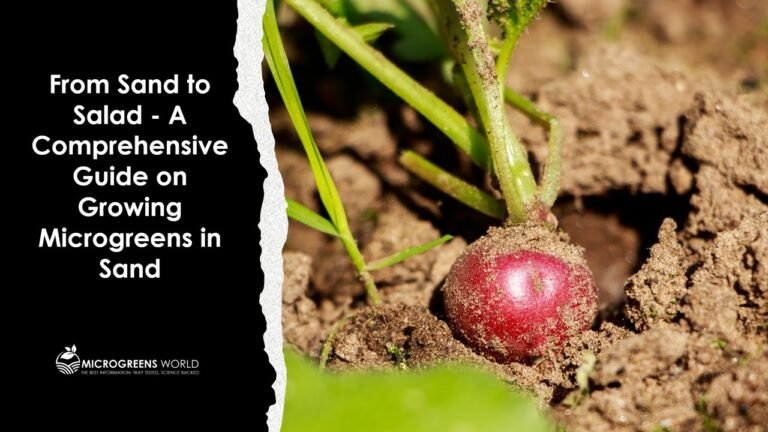
Growing microgreens in sand involves planting the seeds in a sand medium, providing adequate water and light. This method is beneficial as sand has excellent drainage, prevents overwatering, and is easily accessible and affordable.
Unleashing the Power of Microgreens in Permaculture – A Sustainable Home Gardener’s Guide
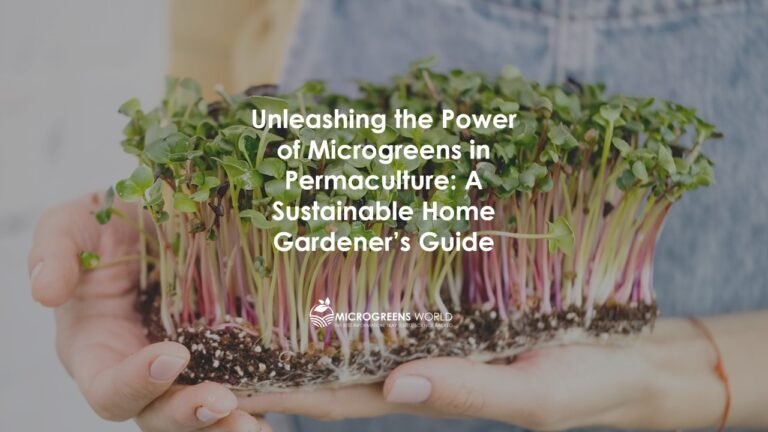
In permaculture systems, microgreens, seedlings of vegetables, and herbs play an essential role. They enhance soil fertility, promote biodiversity, and provide a sustainable source of nutrient-rich food, revolutionizing home gardening and urban farming practices.
Microgreens and the Life Cycle of Plants – A Fun and Educational Guide for Kids

The lifecycle of microgreens follows the stages of germination, leaf development, and harvesting. Starting as seeds, they germinate in a moist environment, sprout leaves (cotyledons), and grow true leaves. Harvesting occurs usually after the cotyledon stage, within 1-3 weeks of…
How Soil pH Impacts Your Microgreens: A Must-Read for Indoor Gardeners
The term pH is an abbreviation for ‘potential of Hydrogen.’ On a scale of 0 to 14, it represents a solution’s acidity or alkalinity. When growing microgreens, it refers to the pH of the soil and plays a critical role.…
Optimal Temperature and Humidity When Growing Microgreens
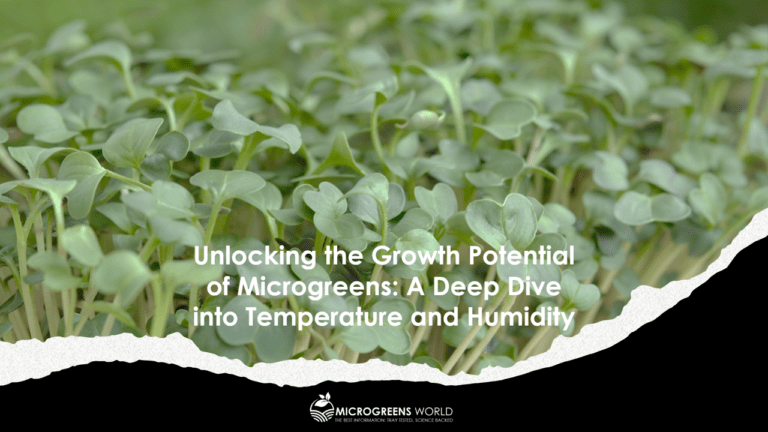
Most microgreens grow best in the 60°F to 75°F (15°C to 24°C) temperature range. The sweet spot ensures they germinate efficiently, soak up sunlight for photosynthesis, and grow into healthy plants. So, if you want your microgreens to flourish, you’ve…
When to Harvest Microgreens
Knowing when to harvest microgreens is crucial for capturing their full potential. The optimal harvest time varies depending on the variety and growth stage. Generally, microgreens are ready for harvest within 7-14 days after sowing once they reach the true…
