My wife’s best friend, Claudette, survived breast cancer and overhauled her diet completely afterward. That conversation is where we first heard about sulforaphane. Broccoli microgreens contain up to 10 times more sulforaphane than mature broccoli, and 51mg of vitamin C per 100g of fresh weight, according to published nutrition data.
Sulforaphane comes from glucoraphanin, a compound in the Brassica family. Broccoli microgreens test at 4.8 µmol/g of glucoraphanin. Research links sulforaphane to reduced oxidative stress, lower blood pressure, blood sugar regulation in type 2 diabetes, and cancer-preventive activity at the cellular level. At jPure, we started growing broccoli specifically for that profile.
Broccoli microgreens are harvested 7 to 9 days after sowing, at the cotyledon stage before the plant shifts energy into structural growth. Nutrient density peaks in that window. Claudette asks about them every time we talk.
This post covers the full nutrition data, the research on sulforaphane and chronic disease, how broccoli microgreens compare to mature broccoli, and the best ways to eat them.
Key Takeaways
Broccoli microgreens contain 51mg of vitamin C, 326mg of potassium, and 633mg of total sulforaphane per 100g of fresh weight. Studies show up to 10 times more sulforaphane than mature broccoli. Harvested at 7 to 9 days, broccoli microgreens carry 31 calories per 100g (USDA). Research links sulforaphane to cancer prevention, blood sugar regulation, and reduced cardiovascular inflammation.
Broccoli Is Not a
General Health Food.
It Targets Specific Patterns.
In the Microgreens Method, broccoli is the primary variety for brain fog, fatigue recovery, and slow wound healing. All three patterns run on sulforaphane. Five questions confirms whether broccoli is the right first move for you.
Find My Pattern
Figure 1 Microgreens and sprouts differ by age at harvest. A typical 14-day germination period for a dicot, using the common garden bean as an example. Germination period for microgreens and sprouts varies by plant[2]
Microgreens are a group of fresh specialty foods that are now very popular among chefs and health-conscious consumers worldwide.
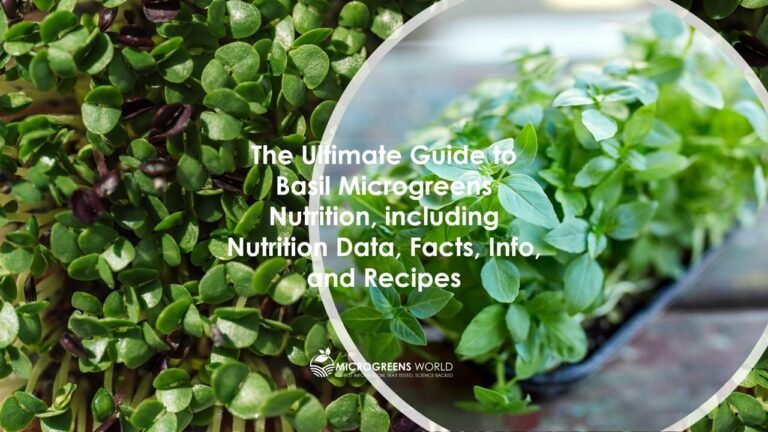
Broccoli seeds are harvested when their embryonic leaves[1] are fully developed, and the first pair of real leaves is emerging or partially expanded (about 7 – 9 days).
What Does the Nutrition Data Show for Broccoli Microgreens?
We are all concerned about our health and focused on improving our nutrition.
The scientific research into microgreens and broccoli microgreens nutritional value continues.
Table 1 below lists the most essential broccoli microgreens nutrition data that available:
| Commercial name | Broccoli microgreens |
| Scientific name (genus and species) | Brassica oleracea L. var. italica |
| Planting | Between 10 – 12 seed per square inch |
| Growth length (day) | 7-9 days |
| Growth height | Between 1–2 inches tall. |
| Macro-elements per mg/100 g of Fresh Weight (FW) | |
| Calcium (Ca) | 88 mg |
| Magnesium (Mg) | 51 mg |
| Phosphorous (P) | 69 mg |
| Potassium (K) | 326 mg |
| Sodium (Na) | 52 mg |
| Nitrates (NO3) | 267 mg |
| Micro-element minerals per mg/100 g FW | |
| Iron (Fe) | 0.67 mg |
| Zinc (Zn) | 0.37 mg |
| Copper (Cu) | 0.09 mg |
| Manganese (Mn) | 0.37 mg |
| Cadmium (Cd) | < 0.0001mg |
| Lead (Pb) | < 0.0001mg |
| Vitamin Content | |
| Vitamin A (ᵦ-carotene) | 221.80 mg |
| Vitamin C (Ascorbic Acid) | 51.0 mg |
| Vitamin E (tocepherol) | 24.1 mg |
| Vitamin K (Phylloquinone) | 2.8 ug |
| Antioxidant bioactive compounds (Bioaccessibility %) | |
| Glucoraphanin | 4.8 µmol / g |
| Total isothiocyanates (sulforaphane) | 633.11mg, 32.30% |
| Total anthocyanins (cyanidin-3-glucose) | 12.66, 0% |
| Total soluble polyphenols | 2017.38, 70.09% |
| Other Nutrients | |
| Fiber | 410 mg |
| Broccoli Microgreens Protein | 2300 mg |
Table 1 Broccoli microgreens nutrition facts
According to the United States Department of Agriculture (USDA), broccoli microgreens calories are about 31 calories per 100 g of fresh weight (FW).
Broccoli microgreens protein is about 2.3 g per 100 g FW.
Broccoli microgreen carbs are about 7 gm per 100 g FW of produce.
How Do the Macro and Micro Nutrients Break Down?
Broccoli microgreens are rich in nutrients.

Carotenoids. Provitamin A is an essential fat-soluble antioxidant and can protect cellular membranes by scavenging free radicals.
Ascorbic Acid. Vitamin C is an essential nutrient for the human body, acting as an antioxidant. It is necessary for growth, development, repairs different body tissues, involved in the formation of collagen, absorption of iron, wound healing, and ensures the immune system’s proper functioning.
Tocopherols. Tocopherols and tocotrienols are together summarized as “vitamin E,” known as fat-soluble antioxidants. Alpha-tocopherol is the only one used by the human body and is vitally important to your vision, reproduction, and the health of your blood, brain, and skin.
Phylloquinone. Vitamin K1 is a fat-soluble vitamin and makes proteins necessary for blood clotting and healthy bones. According to the Harvard School of Public Health, vitamin K helps produce four out of 13 blood clotting proteins. The “K” comes from the German word “koagulation.”
Lutein/Zeaxanthin. Lutein and zeaxanthin are xanthophyll carotenoids, accumulating in the macula of human eyes. Numerous epidemiological studies have shown that lutein and zeaxanthin play a critical role in preventing age-related macular degeneration and cataract.
As you build your strategy for better health, consider the nutrition of broccoli microgreens to meet your Recommended Dietary Allowance (RDA)[3] for essential elements.
What Are the Researched Health Benefits of Broccoli Microgreens?
Suppose you and I don’t get enough of the macro- and micro-elements found in broccoli microgreens. In that case, we can suffer from metabolic disorders and organ damage, leading to acute and chronic diseases and even death.
According to the World Health Organization (WHO), chronic diseases are a significant cause of death globally.
Chronic diseases, particularly cardiovascular disease (CVD), type 2 diabetes, cancer, and chronic respiratory disease, account for more than 50% of all deaths worldwide. Tobacco use, poor diet, and physical inactivity are among the major risk factors contributing to this disease burden.[4]
What Does Sulforaphane in Broccoli Microgreens Actually Do?
Glucoraphanin, a sulfur-producing glucosinolate, is the precursor to sulforaphane. Sulforaphane is the most beneficial compound in broccoli microgreens.
Several studies have shown that broccoli microgreens, high in glucoraphanin, decreased oxidative stress and inflammation in the kidneys and reduced blood pressure in the cardiovascular system.
Several studies have shown that broccoli microgreens high in glucoraphanin decreased oxidative stress and inflammation in kidneys and reduced blood pressure in the cardiovascular system.
For those looking to improve their health eating education and understand nutrition’s role in managing disorders, visit this resource.
Other studies have shown that sulforaphane is a potential candidate drug for AD therapy and prevention. Sulforaphane has also been shown to reduce inflammation in the respiratory pathways and the symptoms of asthma.
The sulforaphane and carotenoids in broccoli contain powerful oxidants that heal the damage to our eyes’ retinal cells.
New studies[5] also show that sulforaphane reduces glucose production in your liver and improves glucose control in patients with type 2 diabetes.
What Does the Research Say About Broccoli Microgreens and Cancer?
Numerous studies[6] show that sulforaphane is a safe and relatively nontoxic chemopreventive agent that uses anticancer activities.
At least one study[7] has shown that eating broccoli microgreens may help prevent colon cancer and possibly other cancers.
Many of us have gastronomical problems. Researchers now believe that eating broccoli microgreens every day blocks the Helicobacter pylori[1] bacteria’s growth and reduces gastritis in patients infected with the bacteria. Gastric cancer risk increases as much as six-fold in individuals infected with H. pylori.
Another study[8] has shown that eating broccoli microgreens inhibits breast cancer stems cells.
The polyphenols and glucosinolates in broccoli microgreens are a broad category of bioactive compounds that have been associated with preventing several chronic diseases, including cardiovascular disease, obesity, and cancers.
How Do Broccoli Microgreens Compare to Mature Broccoli?
Mature broccoli plants like microgreens magic broccoli are also full of different minerals, vitamin C, and A, and rich in iron.

The chemical composition of a microgreen differs considerably from that of the mature form.
When you compare broccoli microgreens vs. broccoli, you can see the following:
| Microgreens mg/100 g | Amount of Fresh Produce to satisfy the RDI | RDI | |
| Vitamin C (Ascorbic Acid) | 51.0 mg | 41g | 60 mg |
| Vitamin E (tocepherol) | 24.1 mg | 54g | 13 mg |
| Vitamin K (Phylloquinone) | 2.8 ug | 25g | 70 ug |
One hundred grams is about 3.5 ounces, or just under ½ cup of broccoli florets. Broccoli microgreens contain appropriate amounts of vitamin C, higher Vitamin E levels than adult plants, but lower vitamin K, making them suitable for patients with impaired kidney disease.
| Fiber | Protein | Iron (Fe) | Glucoraphanin | Glucobrassicin | |
| mg / 100 g FP | mg / kg | µmol / g | |||
| Broccoli Microgreens | 410 | 2,300 | 0.77 | 0.85 | 7.1 |
| Adult Florets | 960 | 5,600 | 1.28 | 10.81 | 1.1 |
| Baby Greens | 430 | 3,800 | 1.25 | ||
Studies have shown that broccoli microgreens have up to 100 times more sulforaphane than mature broccoli.
What Is the Difference Between Broccoli Microgreens and Sprouts?
Broccoli sprouts are three-to-four-day-old broccoli plants. They look like alfalfa sprouts, taste like radishes, and contain more carbs than broccoli microgreens and have a similar nutrition profile.
However, you must wash broccoli sprouts thoroughly as they have a higher risk of carrying E. coli because they grow best in moist environments.
What do broccoli microgreens taste like?
Now that we know all about the nutrition in broccoli microgreens, let’s turn our attention to some of the best ways to eat broccoli microgreens so that we can avail ourselves of all the benefits of broccoli microgreens.
| Commercial Name | Family | Plant Color | Taste | Aroma | Flavor | Intensity |
| Broccoli | Brassicaceae | Green | Tangy | Peppery | Crunchy | Mild |
The broccoli microgreens taste tangy. The broccoli microgreens smell has a mild peppery aroma. The broccoli microgreens flavor is crunchy.
They make for a great addition to your favorite dish, including tofu scramble, cooked grains, salads, soups, and sandwiches.
How Do You Use Broccoli Microgreens in Meals?
Broccoli microgreens are a fantastic food for children due to many nutrients, such as vitamins and antioxidants. Broccoli microgreens nutrition can play an essential role in boosting a child’s immune system by protecting against viruses and free radicals.
Can You Cook Broccoli Microgreens or Should You Eat Them Raw?
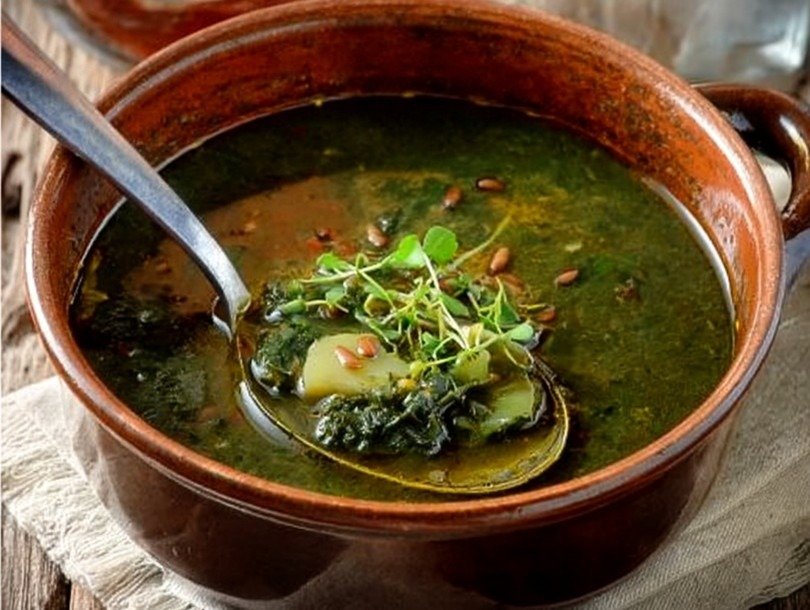
I’m not a big fan of the broccoli microgreens smoothie. But I love microgreens juices. In fact, check out one of my most potent recipes, the LIQUID BROCOLLI ZINGER, a juice rich in sulforaphane, nature’s most potent known Nrf2 activator, and a powerful antioxidant. You can find more juice recipes by visiting the Resource Page now.

You’ve also probably seen a broccoli microgreens recipe for salads, so you know you can eat broccoli microgreens raw. You can click here: FREE COPY to get my microgreens salad book.
But did you know that cooking broccoli microgreen is possible?
An International Journal of Scientific and Technology Research study[9] looked at the effects of heat on different vegetables. It measured the percentage of vitamin C lost at 5, 15, and 30 minutes while exposed to a constant temperature of 140°F (60°C).
The pain threshold for your tongue is about 153°F (67.2°C)[10].
Now, compared to similar conventional vegetables often used to cook, raw broccoli microgreens consume three times more nutrients.
“Cooking” these broccoli microgreens for 5 minutes in a 140-180°F soup pot will still yield you at least 80-85% of the nutrient value.
That is 200% more than cooked green vegetables!


Select Microgreens Vendors Around the World | |
| INDIA | |
| Nature Basket | https://www.naturesbasket.co.in/Online-grocery-shopping/Fruits-Vegetables/Exotic-Vegetables/Herbs-Microgreens/147_0_0 |
| Blooming Greens | https://www.bloominggreens.com/ |
| MIDDLE EAST | |
| Madar Farms | https://www.madarfarms.co/our-products/ |
| Israel | https://www.2bfresh.com/ |
| EUROPE 2BFresh | |
| Switzerland | https://www.2bfresh.com/ |
| Cyprus | |
| Poland | |
| SLOVENIA | |
| ReAct Green | https://reactgreens.com/ |
| AUSTRALIA | |
| Sprout House Farms | https://www.sprouthousefarms.com.au/ |
| Pocket Herbs | https://pocketherbs.com.au/product-category/microgreens?filter=true&product_cat=fresh-cuts%2Cmicrogreens |
| JAPAN | |
| Ameba | https://ameblo.jp/kaiware-nihaorocks/entry-12354143826.html |
| Mirai Farms | https://miraigroup.jp/en/ |
| Looking for broccoli microgreens near you? The MGW Market Finder lists farmers’ markets in all 50 US states. Search by zip code to find local growers. Broccoli microgreens prices vary little across markets. In the USA, India, and Australia, the average price runs close to | |
★ Free Tool — No Account Needed
Find Every Open Market
Near You. This Weekend.
Stop guessing which markets are open and when. MGW Market Finder shows every farmers market near you — filtered by season, SNAP acceptance, and distance. Built for microgreens growers.
- Season-aware market badges
- SNAP market filter
- One-tap calendar export
- Markets in all 50 states
- No ads. Loads in under a second.
tracked nationwide
If you are interested in growing broccoli microgreens at home, visit our Resources Page and check out the Back to the Roots starter kit. It contains everything you need to start to grow broccoli microgreens successfully.
Broccoli Microgreens: Frequently Asked Questions
How much sulforaphane is in broccoli microgreens?
Broccoli microgreens test at 633mg of total sulforaphane (isothiocyanates) and 4.8 µmol/g of glucoraphanin per 100g of fresh weight. Studies show concentrations up to 10 times higher than mature broccoli. Sulforaphane research connects the compound to cancer-preventive activity, reduced cardiovascular inflammation, blood sugar regulation in type 2 diabetes, and protection against oxidative stress in the kidneys.
Are broccoli microgreens healthier than regular broccoli?
For sulforaphane specifically, yes. Broccoli microgreens carry significantly higher glucoraphanin concentrations than mature florets. Mature broccoli has more fiber (960mg vs 410mg per 100g) and more protein (5,600mg vs 2,300mg). Broccoli microgreens deliver more vitamin E than adult plants. Both forms contribute meaningful nutrition. They are not in competition — they cover different ground in the same diet.
What is the difference between broccoli microgreens and sprouts?
Sprouts are three to four days old and eaten whole, including the root and seed. Microgreens are harvested above the soil line at 7 to 9 days. Sprouts grow in water and carry a higher risk of bacterial contamination, including E. coli, due to the moist growing environment. Microgreens grow in soil or a growing medium and are generally considered safer for daily consumption.
Can you cook broccoli microgreens without losing the nutrients?
Cooking reduces nutrient content, but not as sharply as most people assume. Research published in the International Journal of Scientific and Technology Research found that five minutes in a 140 to 180°F liquid retains 80 to 85% of vitamin C. At those temperatures, broccoli microgreens added to soup just before serving preserve most of their nutritional value. Avoid prolonged high heat.
How many calories are in broccoli microgreens?
Per USDA data, broccoli microgreens contain 31 calories per 100g of fresh weight. They carry 2.3g of protein, 7g of carbohydrates, and 410mg of dietary fiber per 100g. The low calorie count with meaningful nutrient density makes them a practical daily addition to meals without a significant impact on total calorie intake.
Is it safe to eat broccoli microgreens every day?
Yes, for most people. No established upper limit exists for daily microgreen consumption. People managing thyroid conditions should note that broccoli belongs to the brassica family, which contains goitrogens. Those on blood-thinning medications should monitor vitamin K intake across all brassica vegetables. For most healthy adults, daily consumption at typical serving sizes carries no known risk.
Wrap-up: Broccoli Microgreens Nutrition
Broccoli microgreens nutrition is a rich source of macro and micro-elements beneficial in preventing and treating several chronic ailments related to your heart, eyes, aging, and digestion.
Start incorporating the health benefits of broccoli microgreens into your nutrition.
I’ve learned a lot about microgreens, how good they are for you, and what you can do with them. Check out my guide, “The Beginner’s Nutritional Guide to Incredible Microgreens.”
Broccoli Is Not a
General Health Food.
It Targets Specific Patterns.
In the Microgreens Method, broccoli is the primary variety for brain fog, fatigue recovery, and slow wound healing. All three patterns run on sulforaphane. Five questions confirms whether broccoli is the right first move for you.
Find My PatternReferences
[1] Cotyledon. (2020, July 24). Retrieved October 13, 2020, from https://en.wikipedia.org/wiki/Cotyledon
[2] Riggio, G. M., Wang, Q., Kniel, K. E., & Gibson, K. E. (2019). Microgreens—A review of food safety considerations along the farm to fork continuum. International Journal of Food Microbiology, 290, 76-85. doi: https://doi.org/10.1016/j.ijfoodmicro.2018.09.027
[3] Recommended Dietary Intakes and Allowances around the World-an Introduction. (1982). Food and Nutrition Bulletin, 4(4), 1-14. doi: https://doi.org/10.1177/156482658200400415
[4] Yach, D., Leeder, S., Bell, J., & Kistnasamy, B. (2005, January 21). Global Chronic Diseases. Retrieved October 13, 2020, from https://science.sciencemag.org/content/307/5708/317
[5] Brown, K. (2018, November 21). Sulforaphane Emerging as a Type 2 Diabetes Treatment. Retrieved October 13, 2020, from https://www.longislandmicrogreens.com/blogs/news/sulforaphane-emerging-as-a-type-2-diabetes-treatment
[6] Jiang, X., Liu, Y., Ma, L., Ji, R., Qu, Y., Xin, Y., & Lv, G. (2018, September 11). Chemopreventive activity of sulforaphane. Retrieved October 13, 2020, from https://www.ncbi.nlm.nih.gov/pmc/articles/PMC6141106/
[7] Fuente, B., López-García, G., Máñez, V., Alegría, A., Barberá, R., & Cilla, A. (2020, April 28). Antiproliferative Effect of Bioaccessible Fractions of Four Brassicaceae Microgreens on Human Colon Cancer Cells Linked to Their Phytochemical Composition. Retrieved October 13, 2020, from https://www.ncbi.nlm.nih.gov/pmc/articles/PMC7278869/
[8] Li Y;Zhang T;Korkaya H;Liu S;Lee HF;Newman B;Yu Y;Clouthier SG;Schwartz SJ;Wicha MS;Sun D;. (n.d.). Sulforaphane, a dietary component of broccoli/broccoli sprouts, inhibits breast cancer stem cells. Retrieved October 13, 2020, from https://pubmed.ncbi.nlm.nih.gov/20388854/
[9] (PDF) The effect of heating on the vitamin C content of selected vegetables. (n.d.). Retrieved October 14, 2020, from https://www.researchgate.net/publication/336915722_The_effect_of_heating_on_the_vitamin_C_content_of_selected_vegetables
[10] DW;, D. (n.d.). What Temperature of Coffee Exceeds the Pain Threshold? Pilot Study of a Sensory Analysis Method as Basis for Cancer Risk Assessment. Retrieved October 14, 2020, from https://pubmed.ncbi.nlm.nih.gov/29857570/