Disclosure: We’re reader supported. When you buy through links on our site, we may earn a commission: Full Disclosure.
This week I read a new selenium study on mung bean microgreens. Then I opened the CDC outbreak notice on sprouts.
The same bean sits behind both, and the web treats it like one food. It isn’t. Mung bean sprouts and mung bean microgreens grow differently, get eaten differently, and fall under different food safety rules. Let’s sort out which one is on your counter.
Key Takeaway
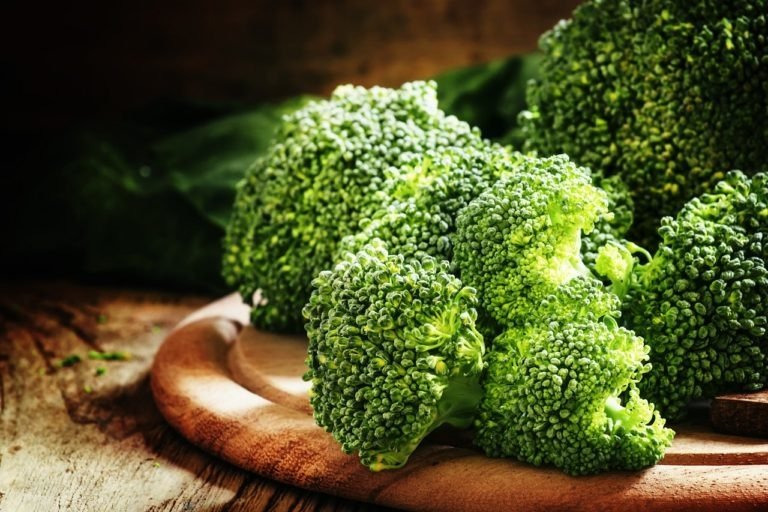
Mung bean sprouts are germinated and eaten whole, roots included. Microgreens grow on a medium and get cut above the roots. That difference decides which federal sprout rules apply, and it doesn’t make microgreens risk free. In CDC’s 2026 outbreak, 25 of 30 people interviewed named broccoli sprouts, and one named a broccoli microgreen mix (CDC, 2026).
Walk with me through how each one is grown and what the rules and outbreaks say about risk. Then we’ll ask whether a mung bean tray earns its shelf space.
Comprehensive Food Safety for Microgreens
If a buyer asked which seed lot went into which tray, could you answer?
This post sorts out sprouts and microgreens. The guide covers the system around it: seed sourcing, written steps from bag to tray, and the records that back them up. Written for growers who sell, or plan to.
Are mung bean sprouts the same as mung bean microgreens?
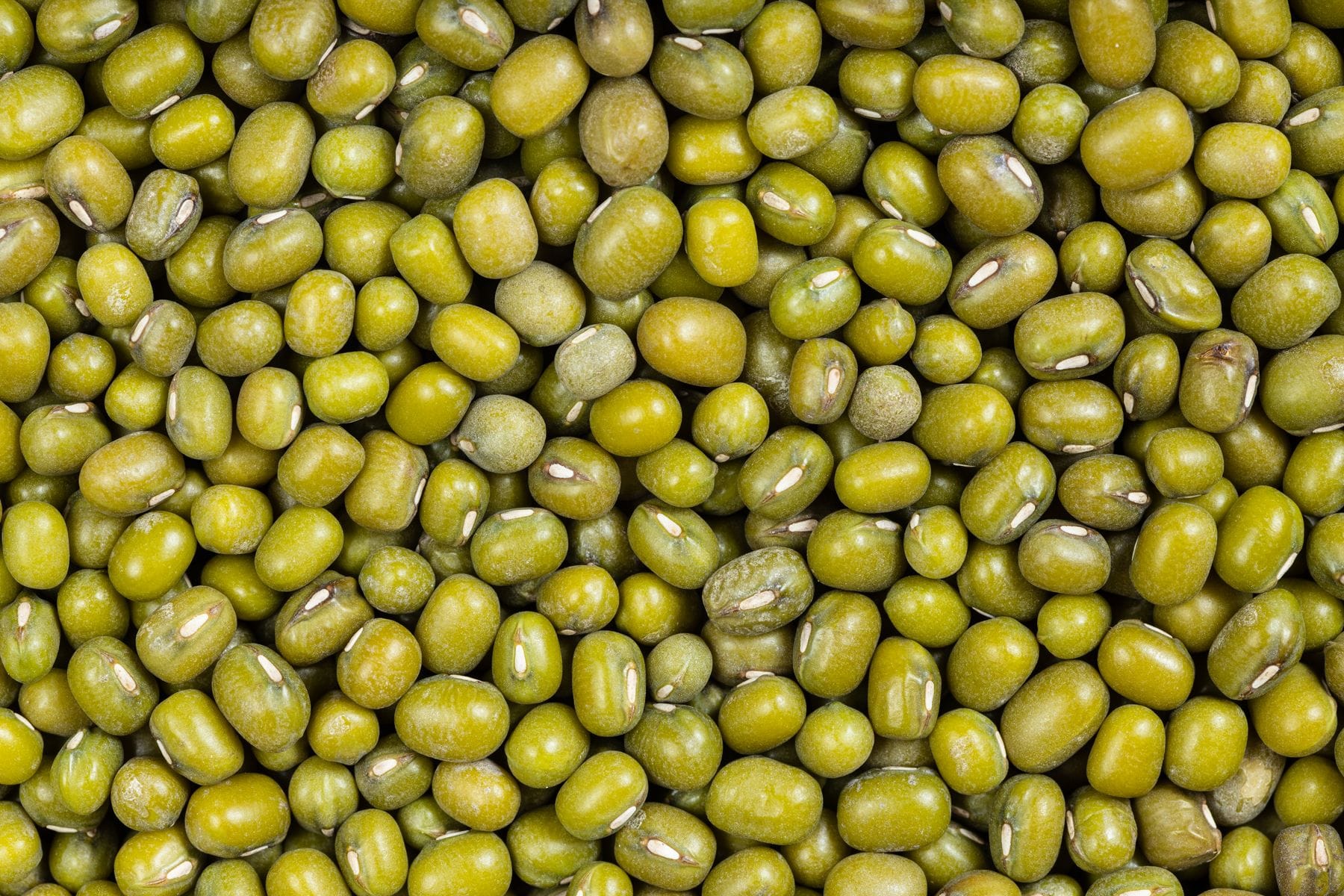
Nope. They share a bean, Vigna radiata, and split ways after that. Mung bean sprouts are germinated and harvested young, whole, root and all. A microgreen grows on a medium until its first true leaves open, then gets cut above the roots.
In one 2026 comparison, researchers grew both from the same seed: sprouts for 7 days, microgreens for 14 (Marottickal et al., 2026). Same seed, very different plant.
The split shows up in the rulebook too. The FDA’s Produce Safety Rule has a subpart just for sprouts, and it skips sprouts grown in soil or another medium and harvested without their roots (21 C.F.R. § 112.141). A tray-grown microgreen lands on the skipped side. A bean sprouted and eaten whole stays inside.
Want the broader picture? Our post on microgreens and sprouts covers the general differences.
How are mung bean sprouts grown, and why does it matter?
Seeds get soaked, kept damp, and left to germinate. Nothing is cut away at the end, so the root goes into the bag with the shoot (Marottickal et al., 2026).
Here’s why that matters. The FDA says conditions inside a sprout operation (temperature, water activity, pH, and available nutrients) are ideal for pathogen growth, should any be present. Its guidance names seed as the most likely source in outbreak investigations (U.S. Food and Drug Administration, 2023).
The record backs it up. Germany and the Netherlands traced a 2011 Salmonella Newport outbreak to mung bean sprouts, with 106 cases in Germany and 20 in the Netherlands. Sprout consumption was the only food significantly linked to illness (Bayer et al., 2014). In England and Northern Ireland, 4 of 554 retail samples of bean sprouts and other sprouted seeds carried Salmonella, and all four were mung bean sprouts (Sadler-Reeves et al., 2016).
How are mung bean microgreens grown?
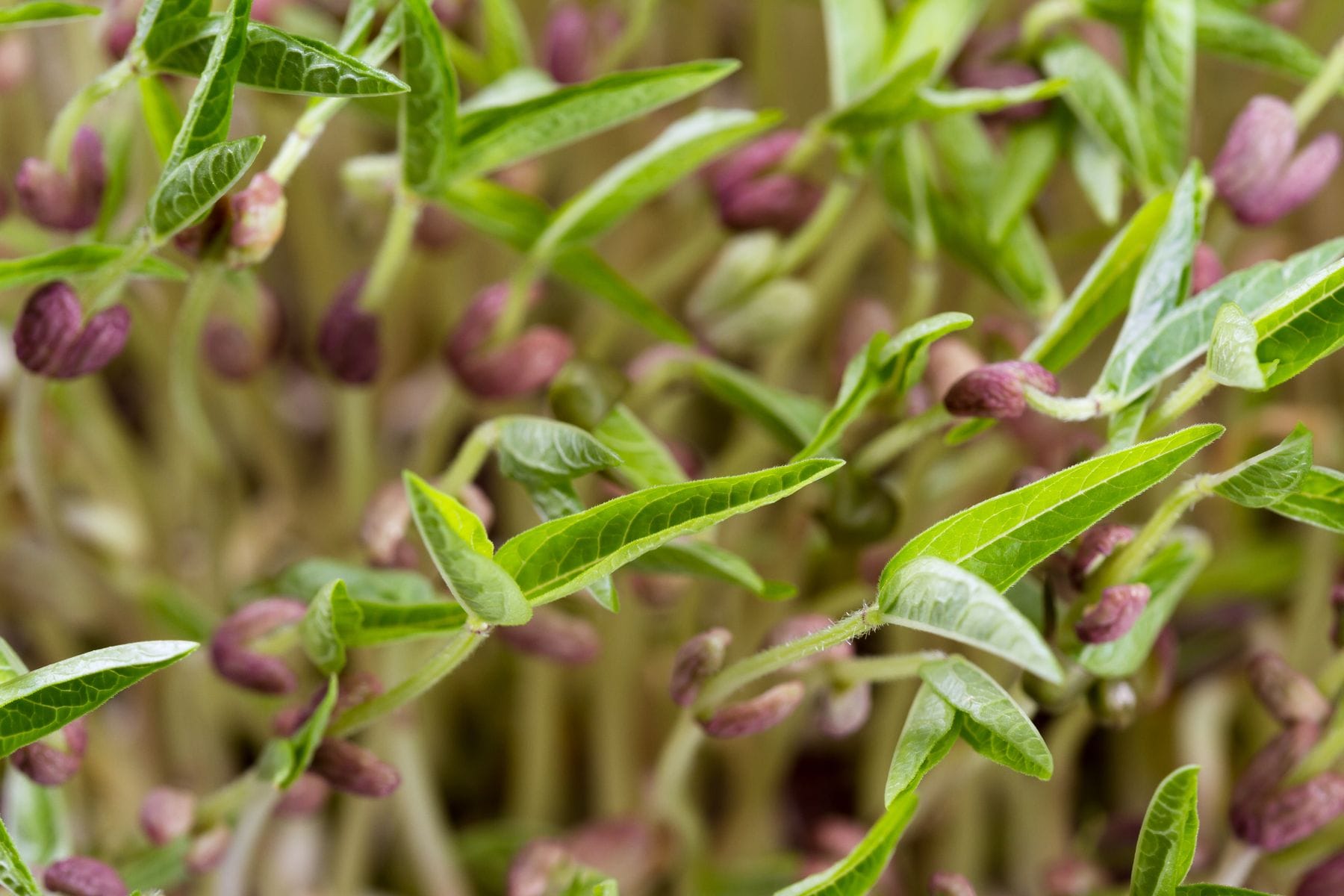
Different setup from mung bean sprouts. The seed goes onto a growing medium, and you cut the crop above the roots, so the root mass stays in the tray.
In an Indian greenhouse trial that tested three seeding densities, mung bean microgreens hit their best harvest about 7 days after sowing. Lentils needed 9 days and Indian mustard 8 (Priti et al., 2022). Seed size tracked yield closely too (r² = .73).
Cultivar changes the numbers. When the same research group grew 20 mung bean genotypes, antioxidants, minerals, and protein varied widely from one to the next (Priti et al., 2021).
So “mung bean microgreens” isn’t one fixed product. Cultivar and setup move the results, and seed choice sits at the top of that list.
Are mung bean sprouts or microgreens safer to eat raw?
On the evidence so far, microgreens look better. “Safer” still isn’t “safe,” so let’s look at what we know.
In the 2026 comparison, unwashed sprouts carried higher microbial counts than microgreens, and the pathogen tests came back negative for both (Marottickal et al., 2026). A greenhouse trial in India found no Salmonella or Listeria in mung bean microgreens, and its authors concluded that microgreens grown and stored properly carry low risk (Priti et al., 2022).
Don’t stop reading there. CDC traced this year’s outbreak to a broccoli seed lot from New Zealand, and one of the 30 people interviewed named a mix with broccoli microgreens (CDC, 2026). A 2025 review points to humidity and nutrient-rich conditions as favoring Salmonella, E. coli, and Listeria on sprouts and microgreens alike (Xavier et al., 2025).
The 2026 comparison’s authors call seed certified for sprouting a step that matters. My read: raw microgreens from clean seed look like a better bet than raw mung bean sprouts. Neither earns a “safe by default” label.
Are mung bean microgreens worth growing?
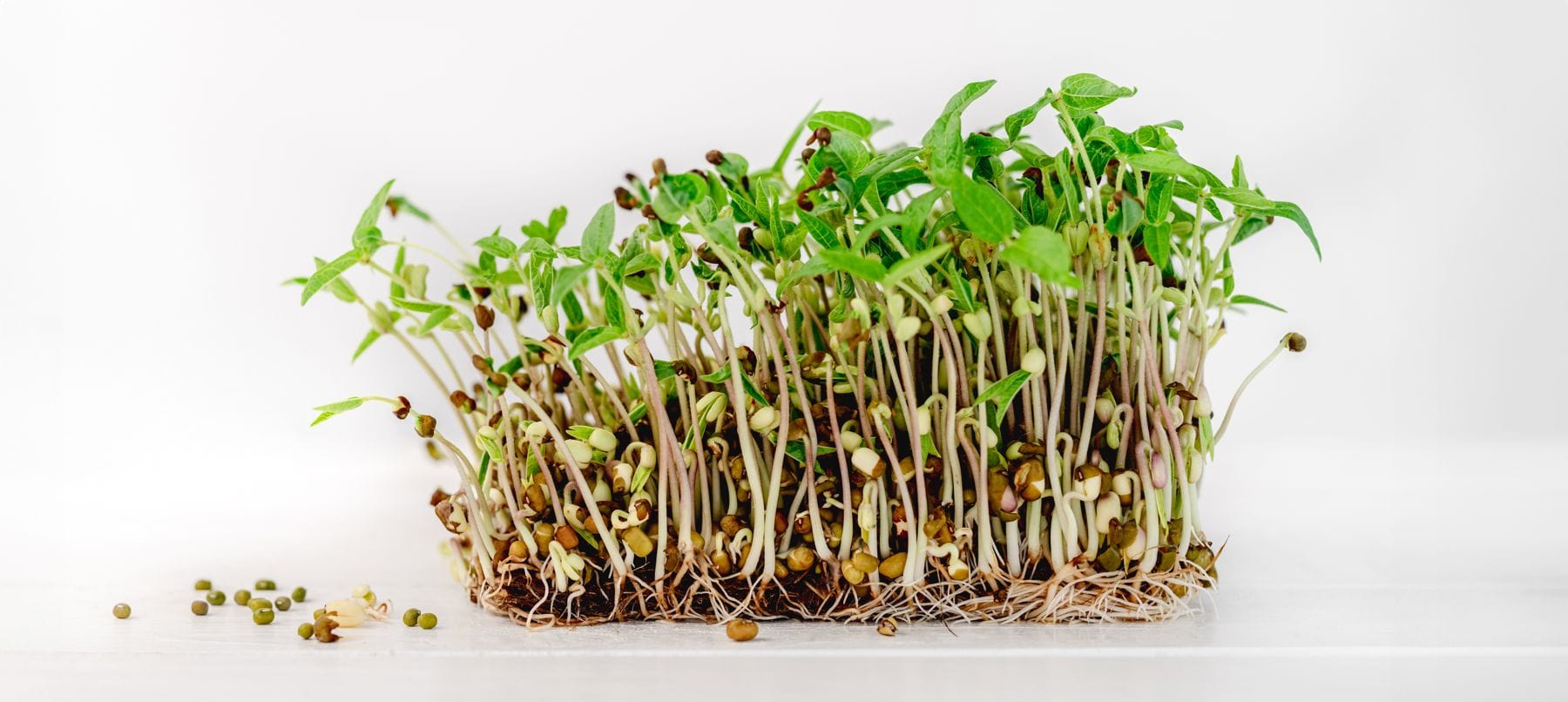
Worth a tray, with eyes open. Start with what’s missing: FoodData Central has no mung bean microgreen entry. Its mung bean record, “sprouted, raw,” describes mung bean sprouts at 3.04 g protein, 1.8 g fiber, and 13.2 mg vitamin C per 100 g (U.S. Department of Agriculture, 2019).
The one study that measured both found microgreens ahead on vitamin C (110.96 vs. 88.89 mg per 100 g), fiber, and minerals (Marottickal et al., 2026). Its sprout vitamin C figure runs about seven times USDA’s, and its sprouts grew in window light on tissue paper. Read that paper as a direction, not a table.
A short Belgrade workshop paper adds one lead. At 0.5 mg/L selenium, microgreens scored higher on antioxidant capacity, and higher doses held growth back (Bučić et al., 2026). It gives no per-dose figures, so it’s a lead on dosing, not a recipe.
My verdict: a fast crop with thin research behind it, and no official nutrition numbers. Grow it for the tray, not for a nutrition claim.
Wrap-up: are mung bean sprouts and microgreens the same crop?
Same bean, two crops. Mung bean sprouts get germinated and eaten whole, and they sit under the FDA’s sprout rules. Microgreens grow on a medium, get cut above the roots, and step outside those rules. Neither one is safe by default, and seed matters for both.
Choosing between mung bean sprouts and microgreens is one piece of a larger picture. For the side of this that matters if you sell what you grow, the food safety hub is the place to start.
Comprehensive Food Safety for Microgreens
If a buyer asked which seed lot went into which tray, could you answer?
This post sorts out sprouts and microgreens. The guide covers the system around it: seed sourcing, written steps from bag to tray, and the records that back them up. Written for growers who sell, or plan to.
Mung bean sprouts and microgreens: frequently asked questions
Are bean sprouts and mung bean sprouts the same thing?
Often. In everyday shopping, “bean sprouts” usually means mung bean sprouts, the long pale ones. Other beans and seeds can be sprouted too, so check the label.
What does moong mean, and is it the same as mung?
Same bean, different name. Moong is the Hindi name for mung, so moong sprouts are mung bean sprouts. Indian recipes and research papers say green gram too, which is the same species, Vigna radiata (Subramani et al., 2026).
Which keeps longer, mung bean sprouts or microgreens?
Sprouts, going by one 2026 comparison. Its microgreens were about 85% water against about 62% for sprouts, and the authors tie that moisture to a shorter shelf life, citing roughly a week. Sprouts harvested with roots intact typically last longer (Marottickal et al., 2026).
Why do mung bean sprouts turn bitter?
A 2026 lab study points to long germination. Across ten green gram cultures, taste scores peaked at 8 to 12 hours of germination and dropped with longer runs as bitterness developed (Subramani et al., 2026).
Does washing make mung bean microgreens safer?
A little. In an Indian trial, a 2-minute rinse in distilled water trimmed microbial load on mung bean microgreens (Priti et al., 2022). A rinse can’t undo seed contamination, which sits upstream of any wash.
References
Bayer, C., Bernard, H., Prager, R., Rabsch, W., Hiller, P., Malorny, B., Pfefferkorn, B., Frank, C., de Jong, A., Friesema, I., Stark, K., & Rosner, B. M. (2014). An outbreak of Salmonella Newport associated with mung bean sprouts in Germany and the Netherlands, October to November 2011. Eurosurveillance, 19(1), Article 20665. https://doi.org/10.2807/1560-7917.es2014.19.1.20665
Bučić, A., Dimitrijević, D., Lekić, S., Beškoski, V., & Lugonja, N. (2026). Effects of selenium supplementation on growth, NDVI, and antioxidant capacity of Vigna radiata (L.) Wilczek microgreens. In Proceedings: 9th Workshop Food and Drug Safety and Quality (pp. 101–104). https://doi.org/10.68725/FDSQ_WORKSHOP.2026.9.27
Centers for Disease Control and Prevention. (2026, November 4). Investigation update: Salmonella outbreak, September 2026. https://www.cdc.gov/salmonella/outbreaks/broccoli-sprouts-09-26/investigation.html
Marottickal, S. S., Saji, N., Valattil, N., Sajeev, S., Surendran, T., Kuriakose, R., Syamala, A., Ivanišová, E., Nowicki, M., & Kowalczewski, P. Ł. (2026). Enhanced nutritional value of mung bean microgreens compared to sprouts: A quantitative study. Open Life Sciences, 21(1), Article 20251278. https://doi.org/10.1515/biol-2025-1278
Priti, Mishra, G. P., Dikshit, H. K., Vinutha, T., Tontang, M. T., Stobdan, T., Sangwan, S., Aski, M., Singh, A., Kumar, R. R., Tripathi, K., Kumar, S., Nair, R. M., & Praveen, S. (2021). Diversity in phytochemical composition, antioxidant capacities, and nutrient contents among mungbean and lentil microgreens when grown at plain-altitude region (Delhi) and high-altitude region (Leh-Ladakh), India. Frontiers in Plant Science, 12, Article 710812. https://doi.org/10.3389/fpls.2021.710812
Priti, Sangwan, S., Kukreja, B., Mishra, G. P., Dikshit, H. K., Singh, A., Aski, M., Kumar, A., Taak, Y., Stobdan, T., Das, S., Kumar, R. R., Yadava, D. K., Praveen, S., Kumar, S., & Nair, R. M. (2022). Yield optimization, microbial load analysis, and sensory evaluation of mungbean (Vigna radiata L.), lentil (Lens culinaris subsp. culinaris), and Indian mustard (Brassica juncea L.) microgreens grown under greenhouse conditions. PLOS ONE, 17(5), Article e0268085. https://doi.org/10.1371/journal.pone.0268085
Sadler-Reeves, L., Aird, H., de Pinna, E., Elviss, N., Fox, A., Kaye, M., Jorgensen, F., Lane, C., Willis, C., & McLauchlin, J. (2016). The occurrence of Salmonella in raw and ready-to-eat bean sprouts and sprouted seeds on retail sale in England and Northern Ireland. Letters in Applied Microbiology, 62(2), 126–129. https://doi.org/10.1111/lam.12530
Subramani, T., Ruckmangathan, S., Ganapathyswamy, H., Palanisamy, S., Palaniappan, M., Sankar, S. L., Abbas, M., Kalathil, S., & Belay, M. (2026). Effect of optimized germination on nutritional functional and phytochemical characteristics of green gram. Scientific Reports, 16(1). https://doi.org/10.1038/s41598-026-42908-y
U.S. Department of Agriculture, Agricultural Research Service. (2019). FoodData Central: Mung beans, mature seeds, sprouted, raw (SR Legacy, FDC ID 169957; NDB 11043). https://fdc.nal.usda.gov/food-details/169957/nutrients
U.S. Food and Drug Administration. (2023, September 28). Guidance for industry: Standards for the growing, harvesting, packing, and holding of sprouts for human consumption. https://www.fda.gov/regulatory-information/search-fda-guidance-documents/guidance-industry-standards-growing-harvesting-packing-and-holding-sprouts-human-consumption
Xavier, I. B., Tavares, J. de L., Pontes, E. D. S., Magnani, M., & Alvarenga, V. O. (2025). Understanding food safety on sprouts and microgreens: Contamination routes, outbreaks and challenges. Food Research International, 214, Article 116589. https://doi.org/10.1016/j.foodres.2025.116589
Standards for the Growing, Harvesting, Packing, and Holding of Produce for Human Consumption, 21 C.F.R. § 112.141. https://www.law.cornell.edu/cfr/text/21/112.141