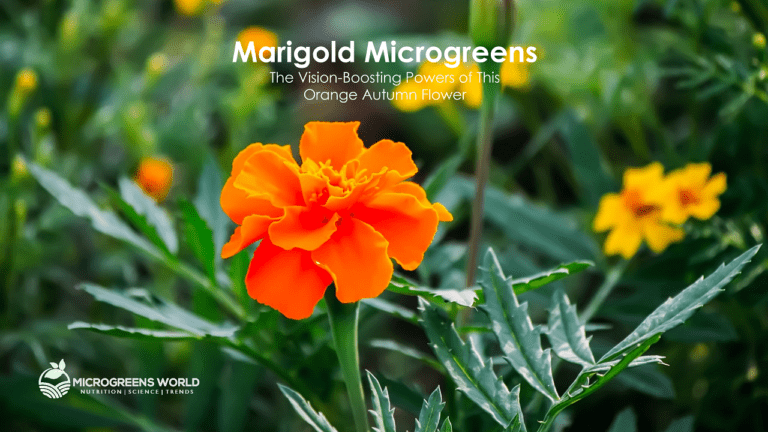
Marigold microgreens are a variety of edible orange autumn flowers used for centuries to make herbal teas. They contain two vital and rare carotenoids, lutein and zeaxanthin, that are vision detoxifiers of an eye-damaging kind of oxygenation called reactive oxygenated species or ROS toxins.
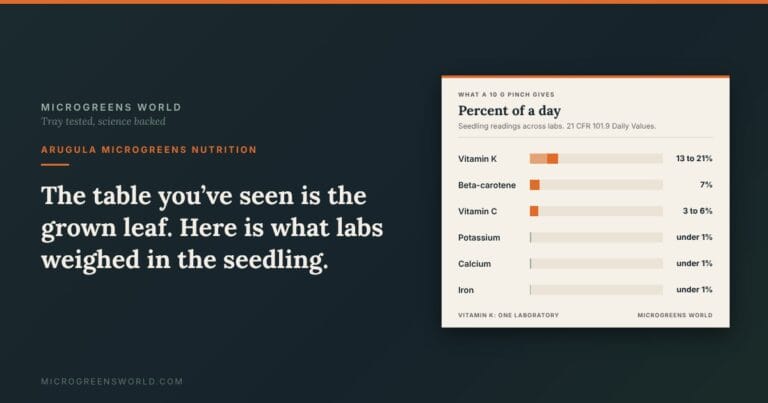
Ninety-nine people in Colorado tasted six microgreens, and arugula came out the most bitter of the lot. It also carries a lot of borrowed numbers. The nutrition table you usually see for arugula microgreens belongs to the grown leaf. Here is what labs measured in the seedling, and where it falls short.
My sister-in-law called me last week to ask me about microgreens versus baby greens.
The family was moving to a more plant-based diet.
She was making a superfood salad and wanted to know whether to use microgreens or baby greens.
She knew I was growing microgreens.
Which would be better?
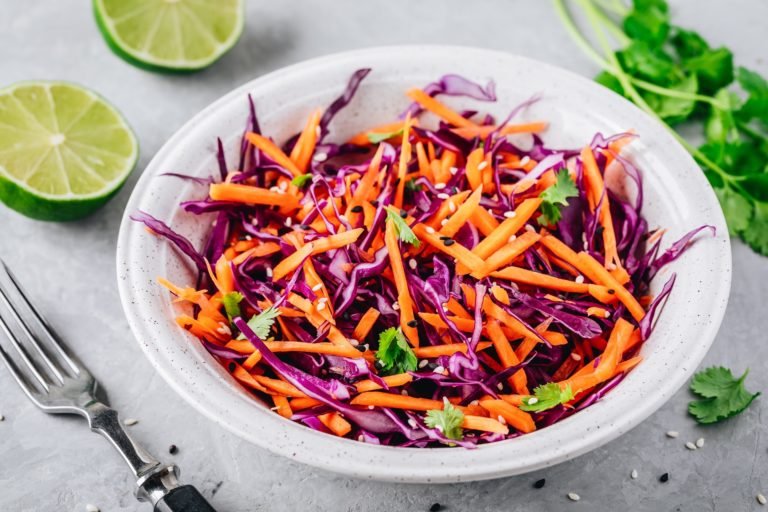
Have you ever shredded carrots to make muffins, carrot cake, or just a fancy addition to your latest dish?
Shredded carrots look like confetti, don’t they?
And carrots are bright orange, yes?
Don’t you want to know why carrot microgreens don’t look anything like carrots or strings of carrot confetti?
Recently, a friend of mine created a spicy shrimp pasta salad with an edible flower called nasturtium, which got me thinking about nasturtium microgreens. I created this post to let you know what I learned about one of the most nutrient-rich plants on earth.
When you visit any web site, it may store or retrieve information on your browser, mostly in the form of cookies. Control your personal Cookie Services here.