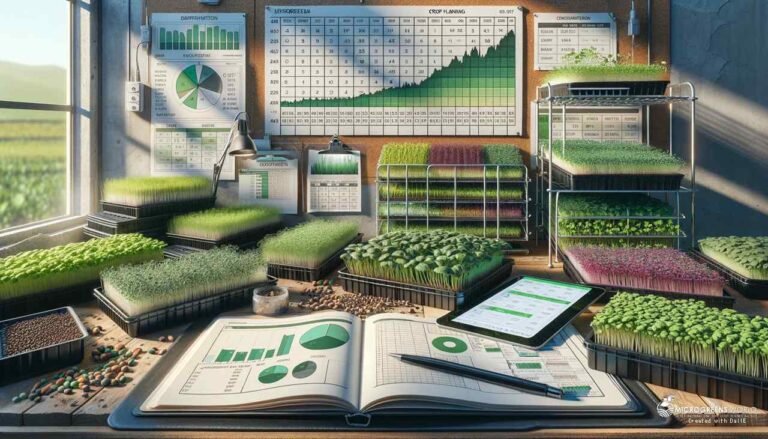
Microgreens crop planning is a strategic process involving selecting varieties, scheduling planting, and determining quantities based on customer orders and market demand. It encompasses setting growth objectives, ordering seeds, and systematically tracking cultivation, processing, and maintenance tasks to inform future cultivation cycles.
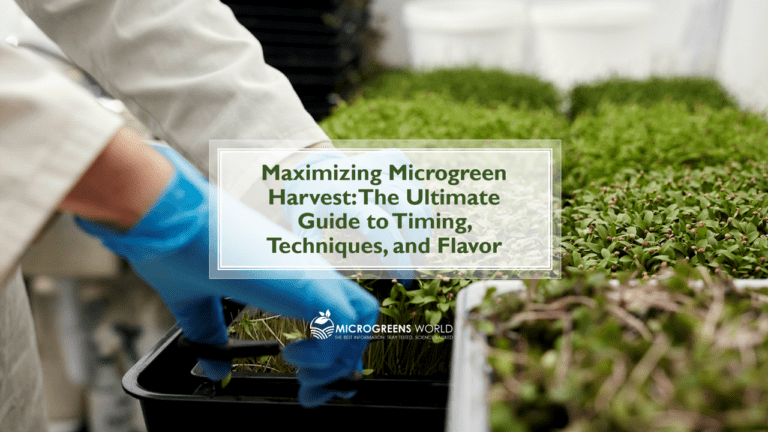
Knowing when to harvest microgreens is crucial for capturing their full potential. The optimal harvest time varies depending on the variety and growth stage. Generally, microgreens are ready for harvest within 7-14 days after sowing once they reach the true leaf stage. However, visual cues play a significant role in determining the perfect moment.
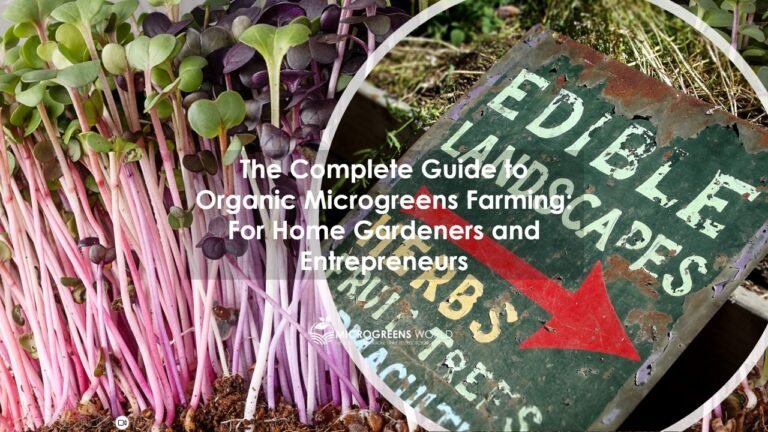
Organic microgreen farming uses certified organically pathogen-free seeds, no synthetic chemicals or pesticides, follows good agricultural practices (GAP), and the resulting microgreens have increased nutrient content, reduced risk of contamination, and better taste. Some examples of microgreens that can be grown organically include broccoli, kale, radish, and arugula.
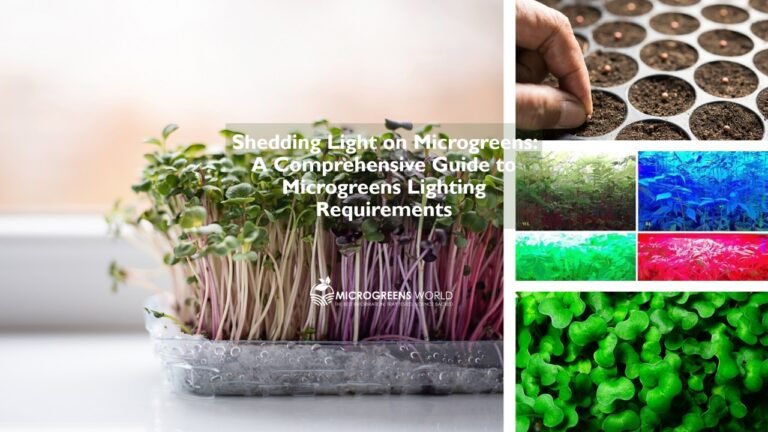
Growing microgreens in low light conditions involve selecting light-tolerant varieties, such as kale or mustard, and providing supplemental light if necessary. Optimal light conditions for microgreens generally range from 50 to 200 µmol/m²/s, but these plants can adapt to lower light intensities.
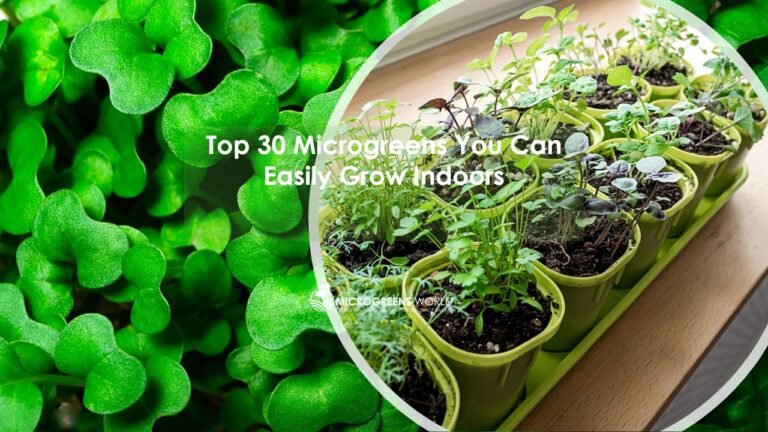
The top 30 microgreens you can easily grow indoors include radish, broccoli, arugula, kale, beet, sunflower, pea, basil, cilantro, and mustard greens. Grow these microgreens for their ease of cultivation, nutritional value, and flavor profiles. They can be grown in small containers, require minimal care, and are ready to harvest within 7-21 days, providing a continuous supply of fresh, nutrient-dense greens in your home.
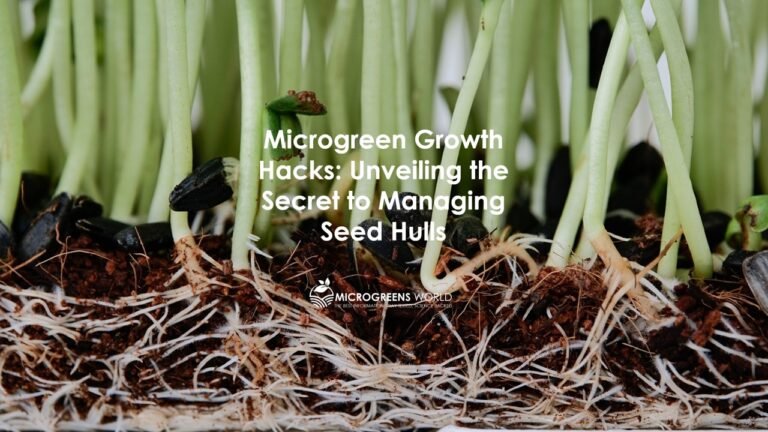
Seed hulls on microgreens can hinder their growth. Dealing with seed hulls on microgreens involves a few key steps: maintaining optimal humidity levels, gentle manual removal, and using a fan for air circulation. These methods ensure the hulls fall off naturally without damaging the delicate seedlings.
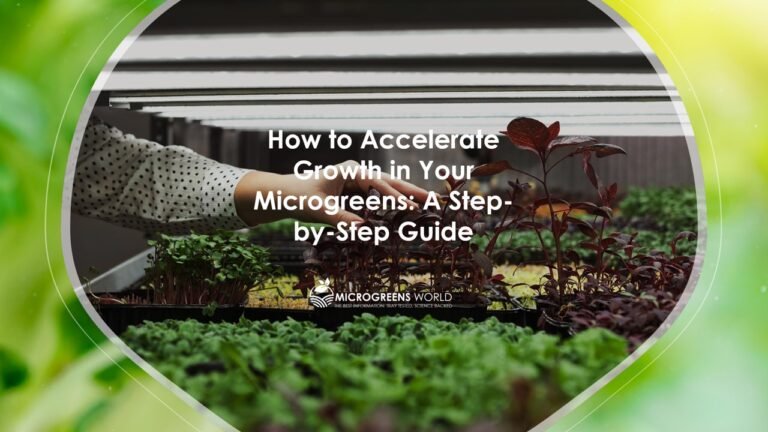
Slow growth in microgreens can be addressed by optimizing growing conditions, including light, temperature, and nutrient supply. Regular monitoring and adjustments can ensure healthy, rapid growth.
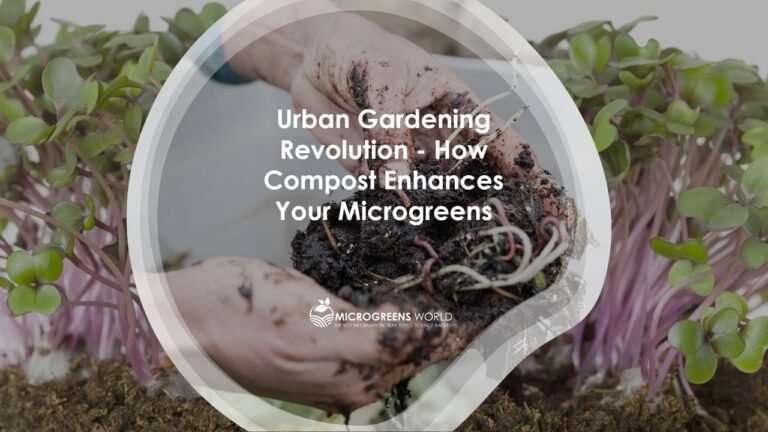
Compost, rich in organic matter and beneficial microbes, provides essential nutrients for microgreens, enhancing their growth and nutritional content. It's a sustainable, cost-effective solution for urban dwellers and home gardeners and a promising business model for green entrepreneurs.
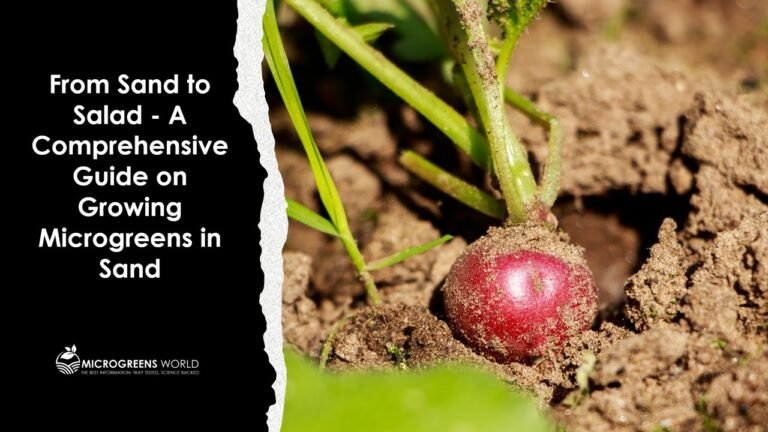
Growing microgreens in sand involves planting the seeds in a sand medium, providing adequate water and light. This method is beneficial as sand has excellent drainage, prevents overwatering, and is easily accessible and affordable.
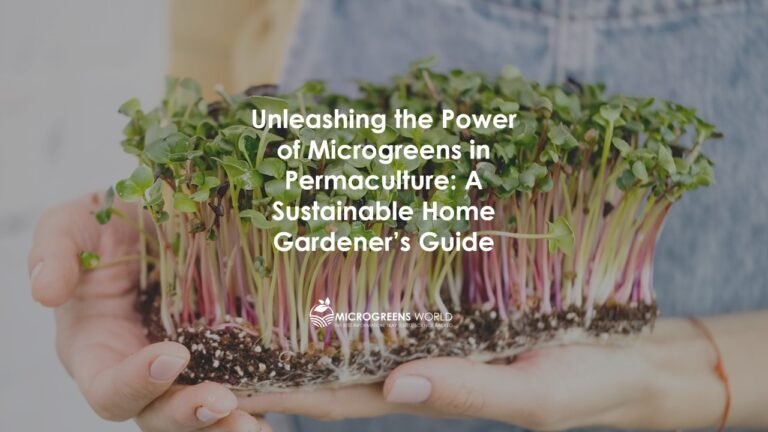
In permaculture systems, microgreens, seedlings of vegetables, and herbs play an essential role. They enhance soil fertility, promote biodiversity, and provide a sustainable source of nutrient-rich food, revolutionizing home gardening and urban farming practices.
The lifecycle of microgreens follows the stages of germination, leaf development, and harvesting. Starting as seeds, they germinate in a moist environment, sprout leaves (cotyledons), and grow true leaves. Harvesting occurs usually after the cotyledon stage, within 1-3 weeks of planting.
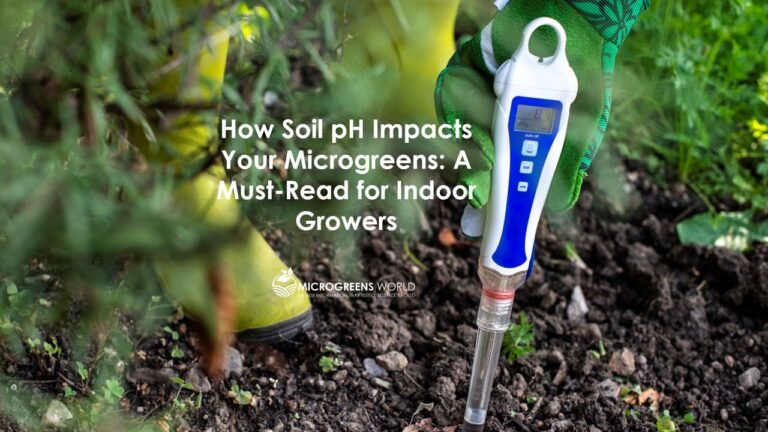
The term pH is an abbreviation for 'potential of Hydrogen.' On a scale of 0 to 14, it represents a solution's acidity or alkalinity. When growing microgreens, it refers to the pH of the soil and plays a critical role. It affects nutrient availability, thereby influencing plant health. Optimal pH levels for microgreens range between 6.0 and 7.0. Regular testing and adjustment of soil pH can ensure robust microgreen growth.
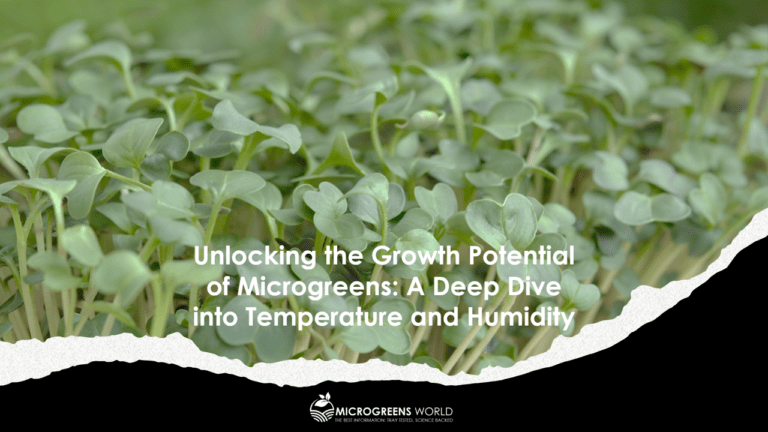
Most microgreens grow best in the 60°F to 75°F (15°C to 24°C) temperature range. The sweet spot ensures they germinate efficiently, soak up sunlight for photosynthesis, and grow into healthy plants. So, if you want your microgreens to flourish, you’ve got to keep an eye on those temperature and humidity levels.
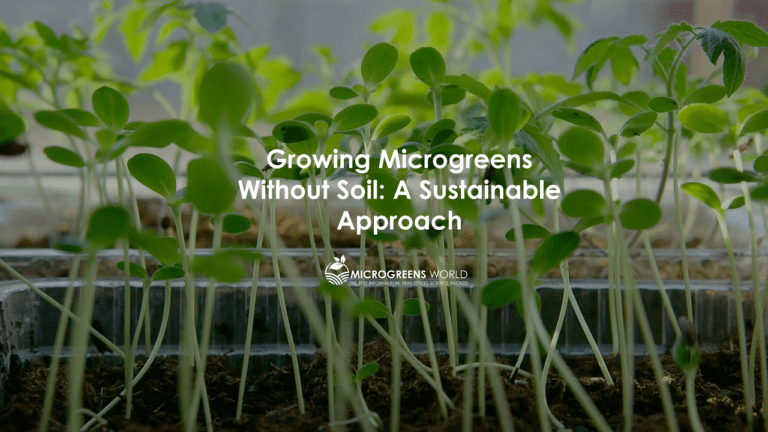
Growing microgreens without soil allows you to utilize alternative mediums such as hydroponics, biodegradable mats, coconut coir, vermiculite, and perlite methods. These approaches allow for better control over moisture levels, pH balance, and nutrient intake, resulting in faster growth and higher yields. Moreover, the absence of soil makes for a cleaner and more efficient way to cultivate microgreens.
When you visit any web site, it may store or retrieve information on your browser, mostly in the form of cookies. Control your personal Cookie Services here.