Andrew Neves, MSc, CPHC, CPBC, PCQI is a health and wellness coach, small business coach, researcher, and microgreens enthusiast. Since 2017, he has advanced microgreens' nutritional science and applications, founding Microgreens World to educate and inspire health-conscious individuals
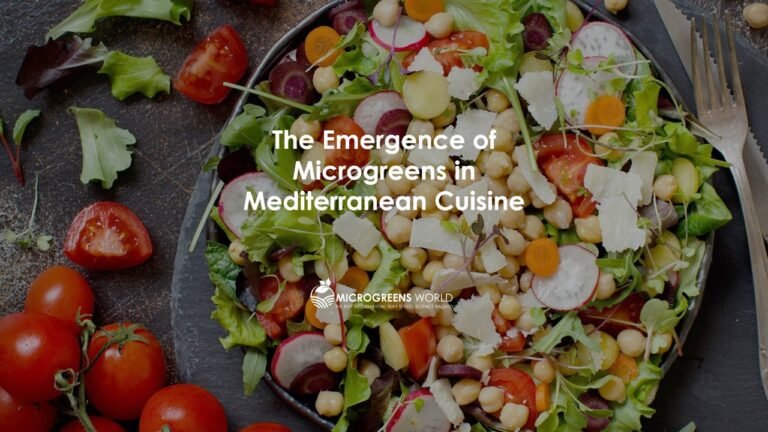
Microgreens play a pivotal role in Mediterranean cuisine, adding nutritional value, enhancing flavors, and providing visual appeal. Use them in salads, garnishes, and as key ingredients, enriching the diet with their high vitamin, mineral, and antioxidant content.
Chefs pair microgreens with proteins to enhance their dishes' flavor, visual appeal, and nutritional value. The small seedlings of vegetables and herbs known as microgreens are incredibly nutrient-dense. When paired with proteins like meat, fish, or plant-based proteins, they add a fresh, intense flavor and a vibrant color contrast. The pairing also balances the diet, providing a mix of essential nutrients needed for health and well-being.
Microgreens omelet recipes are nutritious and delicious to start your day. They are packed with essential nutrients and are perfect for fitness enthusiasts and busy parents.
The lifecycle of microgreens follows the stages of germination, leaf development, and harvesting. Starting as seeds, they germinate in a moist environment, sprout leaves (cotyledons), and grow true leaves. Harvesting occurs usually after the cotyledon stage, within 1-3 weeks of planting.
Microgreens are nutrient-dense young vegetables used in various breakfast recipes to enhance flavor and nutritional value. They are rich in antioxidants, vitamins C, E, and K, and beta-carotene. They are easy to grow at home and can be incorporated into meals in numerous ways.
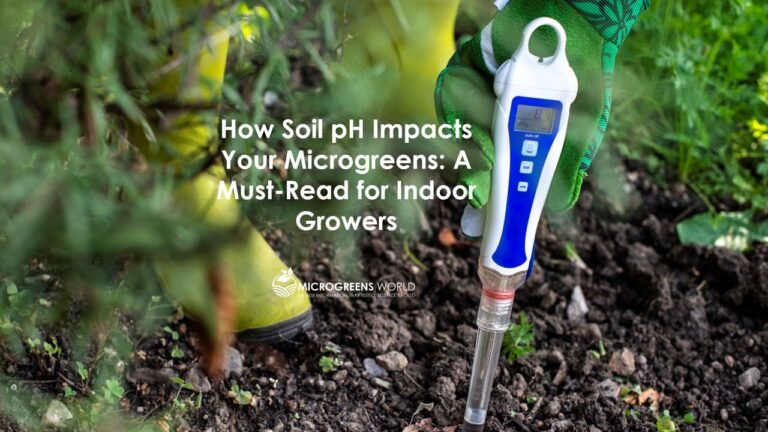
The term pH is an abbreviation for 'potential of Hydrogen.' On a scale of 0 to 14, it represents a solution's acidity or alkalinity. When growing microgreens, it refers to the pH of the soil and plays a critical role. It affects nutrient availability, thereby influencing plant health. Optimal pH levels for microgreens range between 6.0 and 7.0. Regular testing and adjustment of soil pH can ensure robust microgreen growth.
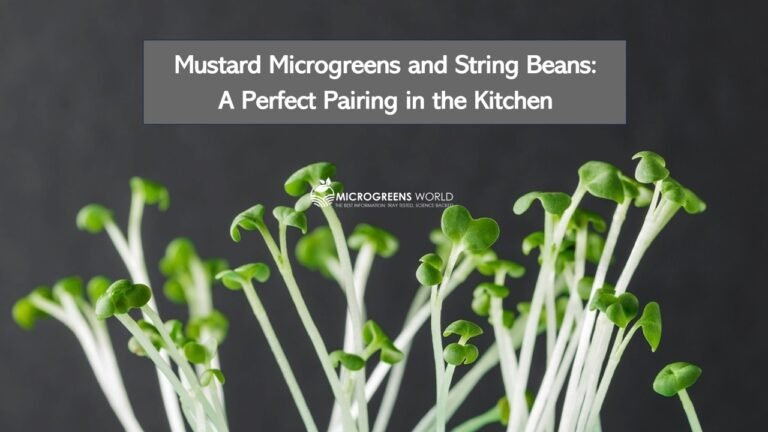
Adding mustard microgreens to string beans during cooking is a great way to add flavor and texture to an otherwise dull vegetable. The mustard greens are firm in taste and give them an added zing. Combined with onion and a little salt, they go great with string beans.
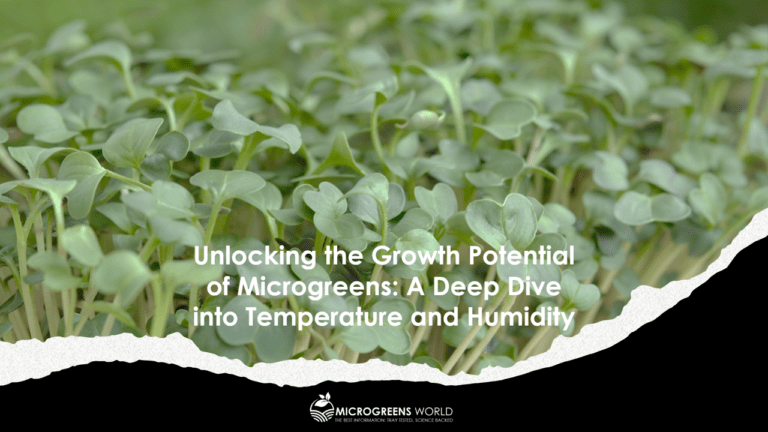
Most microgreens grow best in the 60°F to 75°F (15°C to 24°C) temperature range. The sweet spot ensures they germinate efficiently, soak up sunlight for photosynthesis, and grow into healthy plants. So, if you want your microgreens to flourish, you’ve got to keep an eye on those temperature and humidity levels.
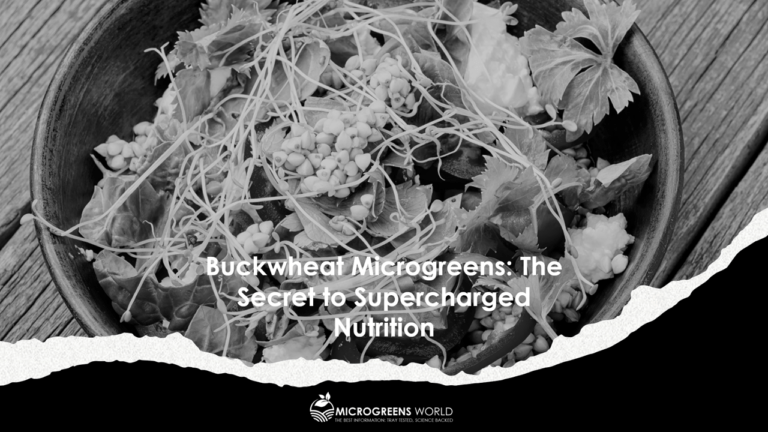
Buckwheat microgreens possess an impressive nutritional profile. Studies have shown that they are a rich source of vitamins B, E, and K and minerals such as calcium, Copper, iron, magnesium, manganese, sodium, phosphorus, potassium, and zinc. They are also high in carotenoids, flavonoids, antioxidants, and α-tocopherol contents. They also have dietary fiber, which aids digestion and promotes a healthy gut.
When Steven and I started jPure, our marketing was as green as our sprouts. We had no idea who our customers were or how to reach them. Here is what we learned about marketing microgreens, so you can skip the guesswork.
Once cotyledons have fully developed and the first true leaves begin to emerge, it is when to eat microgreens. Fast-growing microgreens like arugula take 8-15 days to harvest. Slow-growing microgreens like alfalfa can take 16-25 days. Eat microgreens immediately after harvest (1-2 days). The shelf-life ranges from 5–10 days under proper storage conditions (washed and refrigerated). Microgreens are best eaten raw.
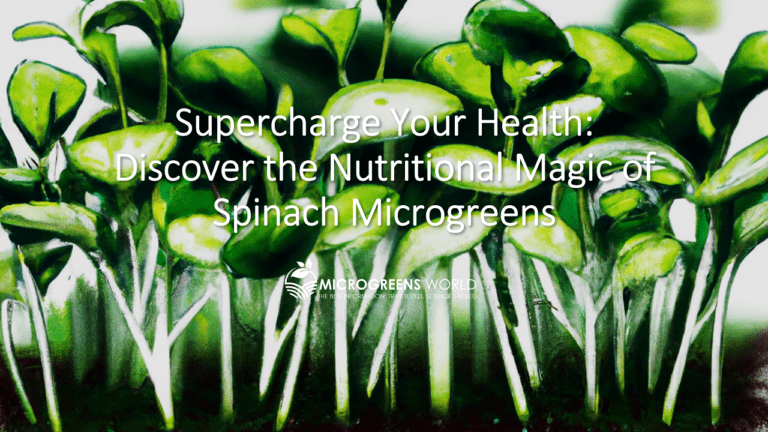
Spinach microgreens are filled with lots of nutrients such as Vitamins A, C, E, and K, minerals such as iron, calcium, potassium, folate, oxidants, and essential plant compounds such as lutein, zeaxanthin, and nitrates. Spinach microgreens are also a good fiber and protein source, containing about 21 calories, adding to your daily calorie needs.
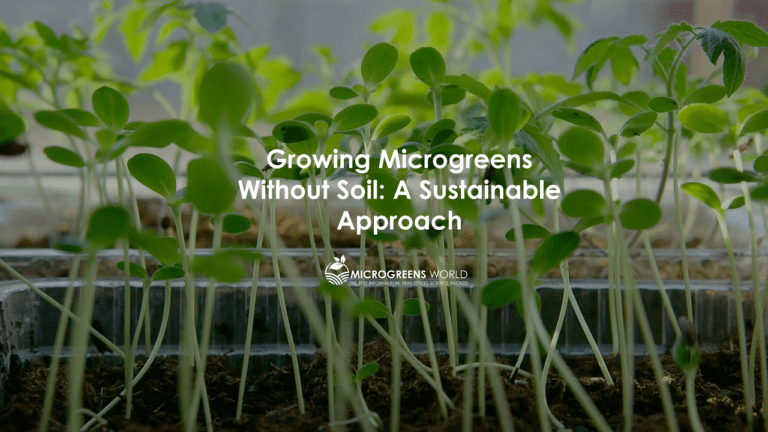
Growing microgreens without soil allows you to utilize alternative mediums such as hydroponics, biodegradable mats, coconut coir, vermiculite, and perlite methods. These approaches allow for better control over moisture levels, pH balance, and nutrient intake, resulting in faster growth and higher yields. Moreover, the absence of soil makes for a cleaner and more efficient way to cultivate microgreens.
When you visit any web site, it may store or retrieve information on your browser, mostly in the form of cookies. Control your personal Cookie Services here.