Beyond The Decorations: Cooking With Microgreens
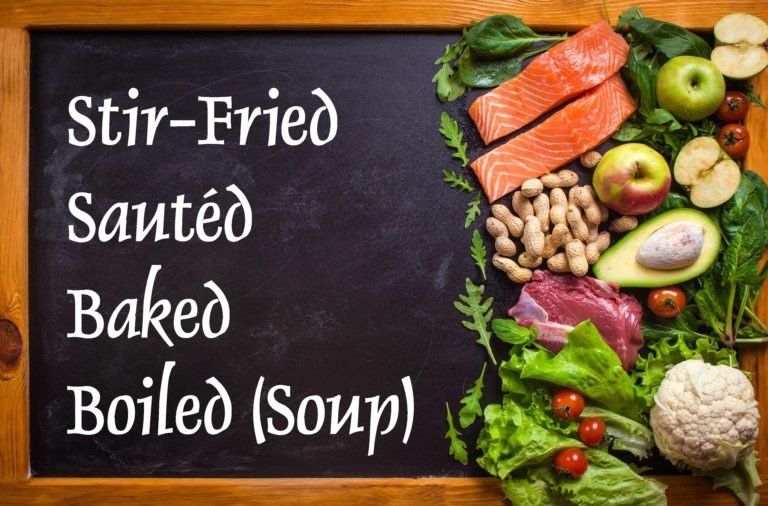
Unlock the full potential of microgreens! Discover how to cook microgreens for optimized nutrition, and the debate on whether microgreens should be cooked or raw.

Unlock the full potential of microgreens! Discover how to cook microgreens for optimized nutrition, and the debate on whether microgreens should be cooked or raw.
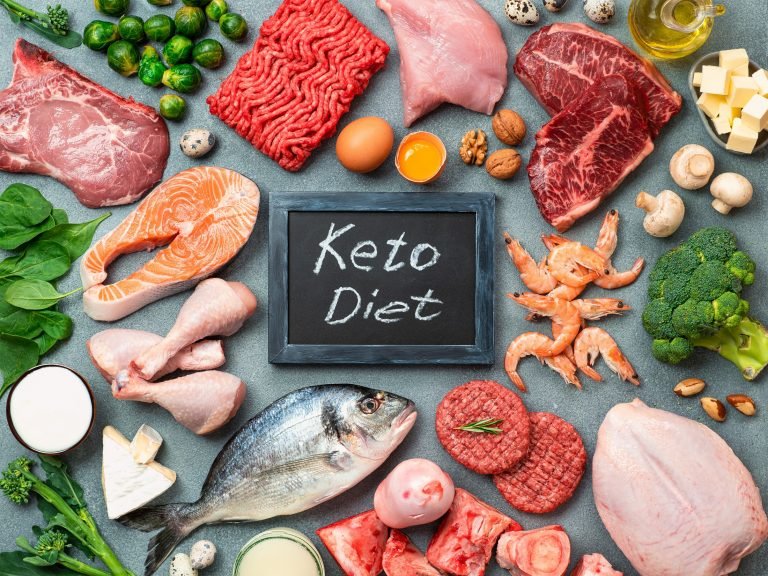
Boost your ketogenic diet with nutrient-rich microgreens. Low in carbs, high in health-promoting micronutrients. Perfect for your keto meal plans.

Harvest the hidden nutritional power of lavender microgreens with our simple guide to growing and using this versatile herb.

Micronutrient deficiencies, also known as hidden hunger, occur when a person's diet lacks essential vitamins and minerals. This condition affects more than two billion people globally.
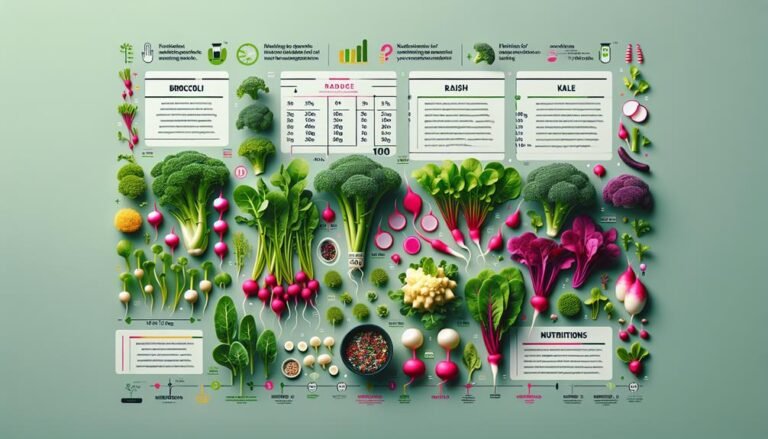
Leverage the power of microgreens in just 100 grams for a surprising nutritional boost that will leave you rethinking your diet choices.
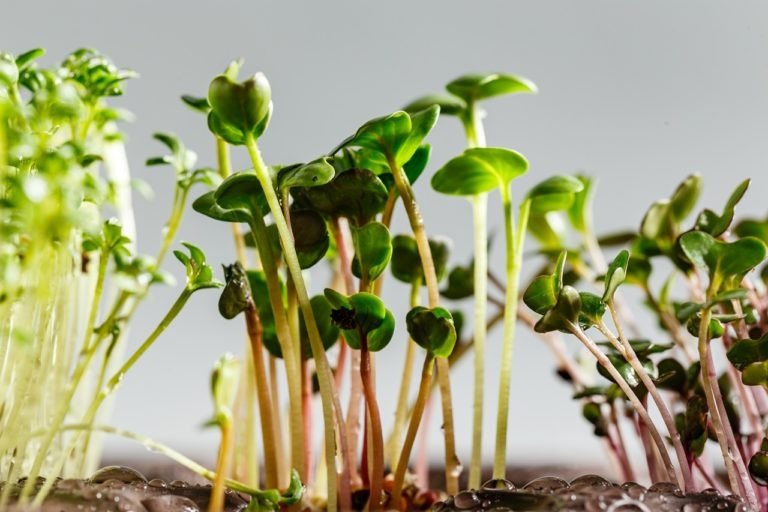
The Accumulation Factor (bioaccumulation, nutrient uptake efficiency) in microgreens is the ability of microgreens to accumulate nutrients and minerals from the soil or growing medium. This factor is important for understanding the nutritional content of microgreens.

Microgreens support hair health primarily through their rich nutrient profile, which includes essential vitamins such as A, C, and E and antioxidants like sulforaphane. These nutrients promote scalp circulation, fortify hair follicles, and stimulate growth. Specifically, broccoli and sunflower microgreens offer a concentrated source of these vital nutrients, making them particularly effective in enhancing microgreens and hair health.
Microgreens in weight management play a vital role by providing low-calorie, nutrient-dense options that can enhance satiety. Rich in fiber, vitamins, and antioxidants, microgreens aid in controlling appetite and metabolic functions, supporting a balanced weight management regimen without compromising essential nutritional intake.
Microgreens support gut health by providing essential dietary fiber, antioxidants, and omega-3 fatty acids. These nutrients aid in digestion, reduce inflammation and enhance the gut microbiome. Integrating microgreens into a daily diet can significantly improve digestive health and well-being.
Digestive health is the 13th leading cause of ill health globally. Microgreens and digestive health are intricately linked due to the high content of fiber, enzymes, and specific phytonutrients in microgreens. These elements aid digestion by promoting gut motility, enhancing the breakdown of food substances, and supporting a healthy balance of gut flora.
The most potent phytonutrients in microgreens include vitamins A, C, E, and K, beta-carotene, allicin, polyphenols, carotenoids, flavonoids, phytoestrogens, and glucosinolates. These nutrients are crucial in promoting eye health, boosting immunity, enhancing bone health, and providing antioxidant protection, making microgreens nutrition a vital component of a balanced diet.

Microgreens and mushrooms, both nutrient-rich and versatile, are grown in controlled environments with a short growing period. Microgreens, young vegetable and herb seedlings, have a mild flavor and short shelf life. Mushrooms, fungi growing on organic matter, have an intense flavor and longer shelf life. Preparation and shelf life differ significantly.

The role of microgreens in a sustainable diet can provide numerous benefits. Microgreens are young vegetable greens that provide a concentrated source of nutrients. They can be grown indoors, require minimal space, and mature within a few weeks, making them an eco-friendly and sustainable addition to our diet.

Microgreens are nutrient-dense young vegetables used in various breakfast recipes to enhance flavor and nutritional value. They are rich in antioxidants, vitamins C, E, and K, and beta-carotene. They are easy to grow at home and can be incorporated into meals in numerous ways.

Adding mustard microgreens to string beans during cooking is a great way to add flavor and texture to an otherwise dull vegetable. The mustard greens are firm in taste and give them an added zing. Combined with onion and a little salt, they go great with string beans.
When you visit any web site, it may store or retrieve information on your browser, mostly in the form of cookies. Control your personal Cookie Services here.
