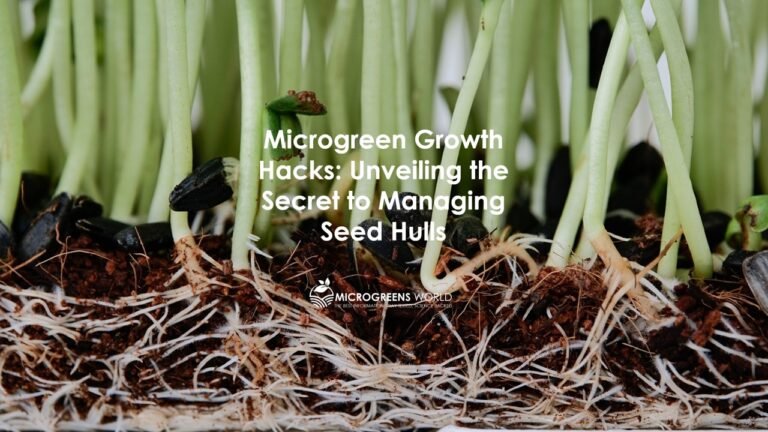
Seed hulls on microgreens can hinder their growth. Dealing with seed hulls on microgreens involves a few key steps: maintaining optimal humidity levels, gentle manual removal, and using a fan for air circulation. These methods ensure the hulls fall off naturally without damaging the delicate seedlings.
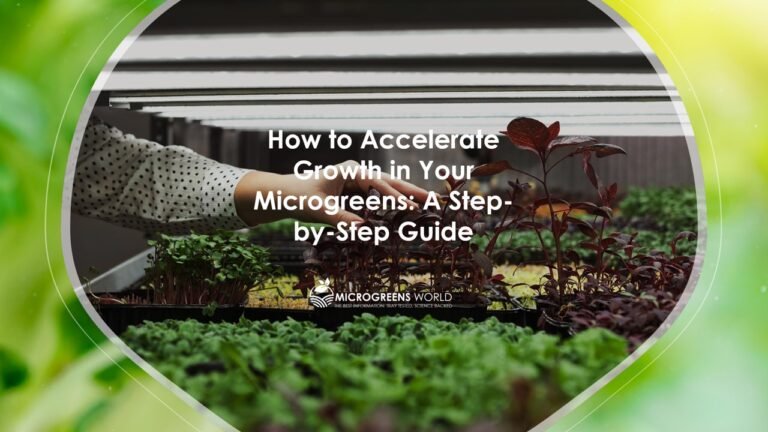
Slow growth in microgreens can be addressed by optimizing growing conditions, including light, temperature, and nutrient supply. Regular monitoring and adjustments can ensure healthy, rapid growth.
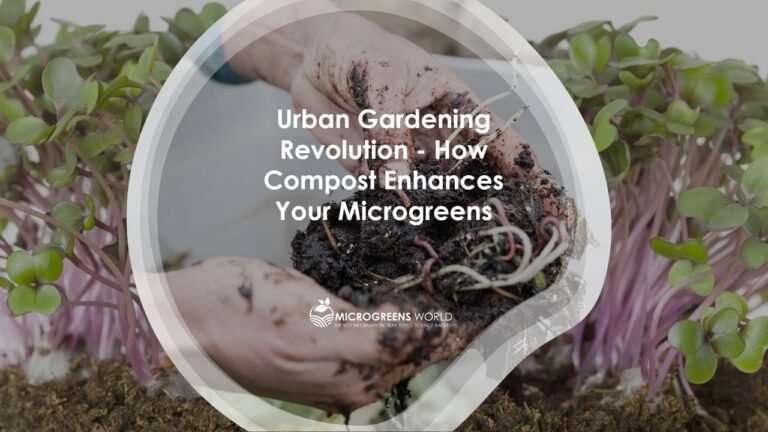
Compost, rich in organic matter and beneficial microbes, provides essential nutrients for microgreens, enhancing their growth and nutritional content. It's a sustainable, cost-effective solution for urban dwellers and home gardeners and a promising business model for green entrepreneurs.
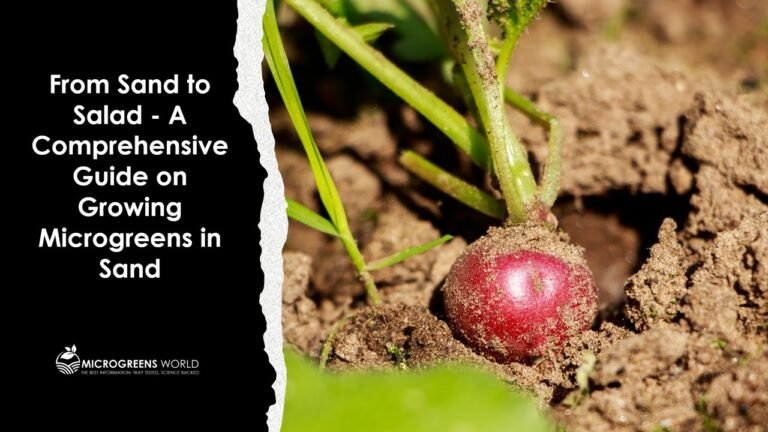
Growing microgreens in sand involves planting the seeds in a sand medium, providing adequate water and light. This method is beneficial as sand has excellent drainage, prevents overwatering, and is easily accessible and affordable.
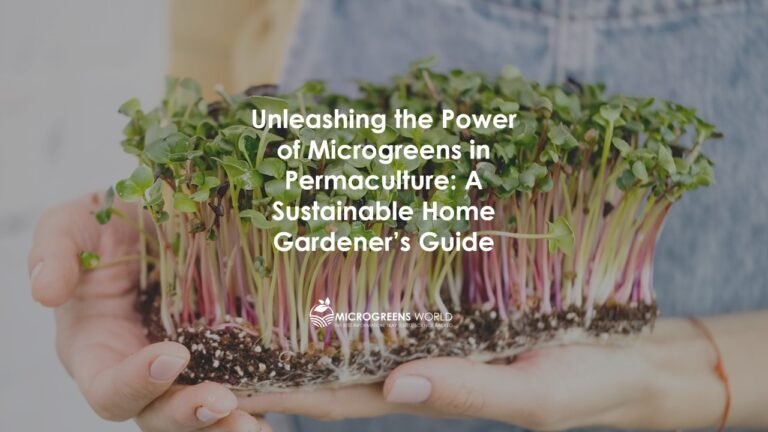
In permaculture systems, microgreens, seedlings of vegetables, and herbs play an essential role. They enhance soil fertility, promote biodiversity, and provide a sustainable source of nutrient-rich food, revolutionizing home gardening and urban farming practices.
The lifecycle of microgreens follows the stages of germination, leaf development, and harvesting. Starting as seeds, they germinate in a moist environment, sprout leaves (cotyledons), and grow true leaves. Harvesting occurs usually after the cotyledon stage, within 1-3 weeks of planting.
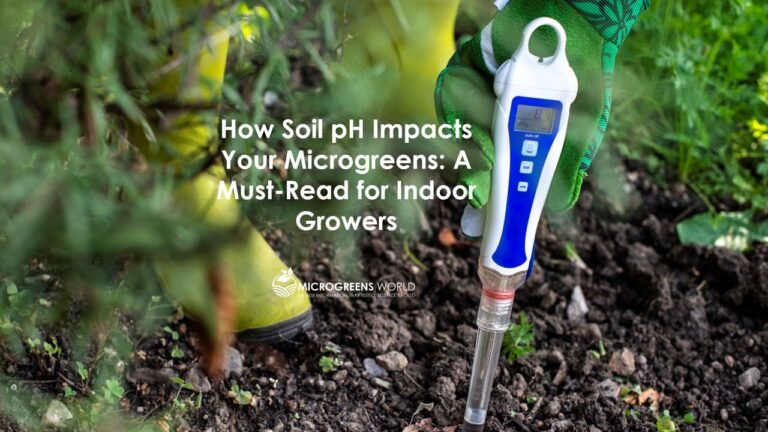
The term pH is an abbreviation for 'potential of Hydrogen.' On a scale of 0 to 14, it represents a solution's acidity or alkalinity. When growing microgreens, it refers to the pH of the soil and plays a critical role. It affects nutrient availability, thereby influencing plant health. Optimal pH levels for microgreens range between 6.0 and 7.0. Regular testing and adjustment of soil pH can ensure robust microgreen growth.
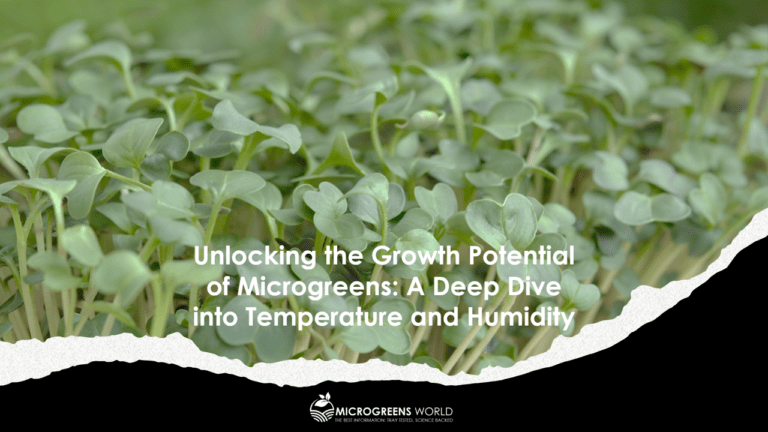
Most microgreens grow best in the 60°F to 75°F (15°C to 24°C) temperature range. The sweet spot ensures they germinate efficiently, soak up sunlight for photosynthesis, and grow into healthy plants. So, if you want your microgreens to flourish, you’ve got to keep an eye on those temperature and humidity levels.
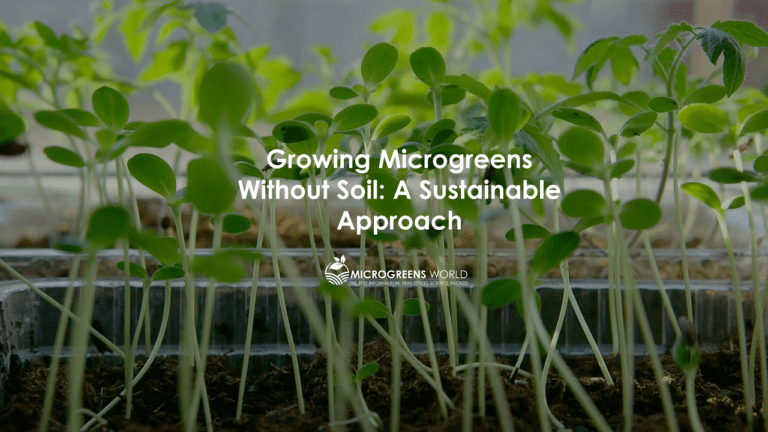
Growing microgreens without soil allows you to utilize alternative mediums such as hydroponics, biodegradable mats, coconut coir, vermiculite, and perlite methods. These approaches allow for better control over moisture levels, pH balance, and nutrient intake, resulting in faster growth and higher yields. Moreover, the absence of soil makes for a cleaner and more efficient way to cultivate microgreens.
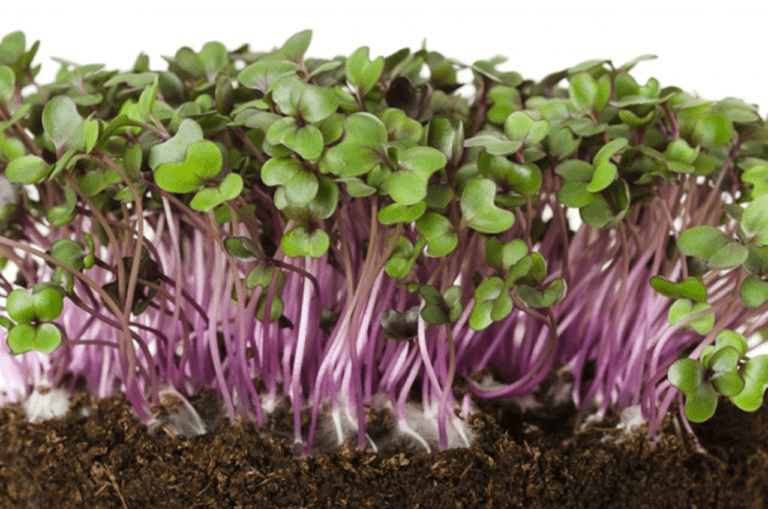
Microgreens grow to one to three inches in height. They are small and come in various robust flavors, bright colors, and crunchy tastes. They are the tender, immature seedlings of edible vegetables and herbs with two developed embryonic leaves. They are young plants that haven’t grown to maturity. They offer a powerhouse of nutrition.
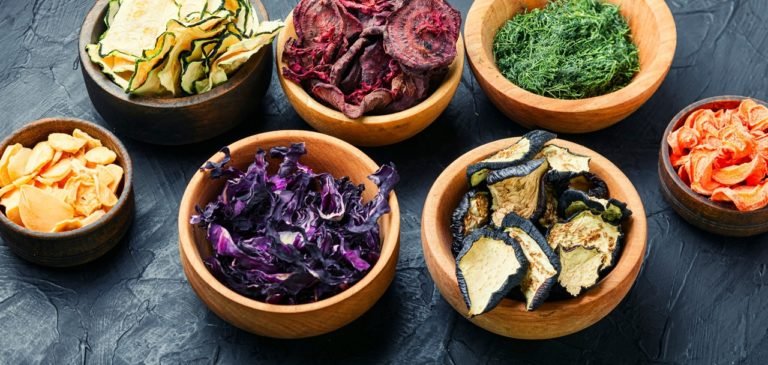
Lately, I have noticed we throw away leftover microgreens, even after putting them in the fridge. Yesterday I asked my wife, "how can we preserve our microgreens longer than a week?" She answered, "why don't we try drying microgreens? My mom used to dry herbs and flowers back in the old country. I'm sure there has to be new technology."
When you visit any web site, it may store or retrieve information on your browser, mostly in the form of cookies. Control your personal Cookie Services here.
For perfomance reasons we use Cloudflare as a CDN network. This saves a cookie "__cfduid" to apply security settings on a per-client basis. This cookie is strictly necessary for Cloudflare's security features and cannot be turned off.
__cfduid
These cookies allow us to count visits and traffic sources, so we can measure and improve the performance of our site.
Meet Doc Green—your intelligent guide to the science of microgreens. Search smarter, review faster, and interact directly with 2,000+ papers using AI-powered tools built for researchers, growers, and educators.
If you’re serious about microgreens. No more wasted time. No more guesswork.
The calculator shows you the numbers. This Playbook tells you what to do with them. It’s a complete guide to turning your data into dollars and building a resilient business.
Inside this 30-page guide, you get:
The 5 Levers for pushing yields from 1:5 toward a profitable 1:15,
getting more revenue from the same seed cost.
A step-by-step plan for fixing a negative Margin of Safety,
ensuring your business can survive a slow month.
The “Two Hats” method for paying yourself a real salary,
turning a demanding hobby into a real business.
This entire playbook costs less than one failed tray of microgreens. For $9, you are getting a professional framework that can add hundreds to your bottom line.
GET THE $9 PLAYBOOK NOW
If you’re serious about microgreens, this is the easiest way to start.
Includes 15 fast, delicious ways to use microgreens daily.
✔ No complicated techniques. Just real, practical meals. ✔ Breakfast, Lunch, & Dinner options. ✔ Minimal ingredients, maximum nutrition. ✔ Instant digital download. Get started today.
🔹 Not for everyone. This is for people who are serious about microgreens.
Get Instant Access for Just $7 and Join our Weekly Newsletter