Andrew Neves, MSc, CPHC, CPBC, PCQI is a health and wellness coach, small business coach, researcher, and microgreens enthusiast. Since 2017, he has advanced microgreens' nutritional science and applications, founding Microgreens World to educate and inspire health-conscious individuals
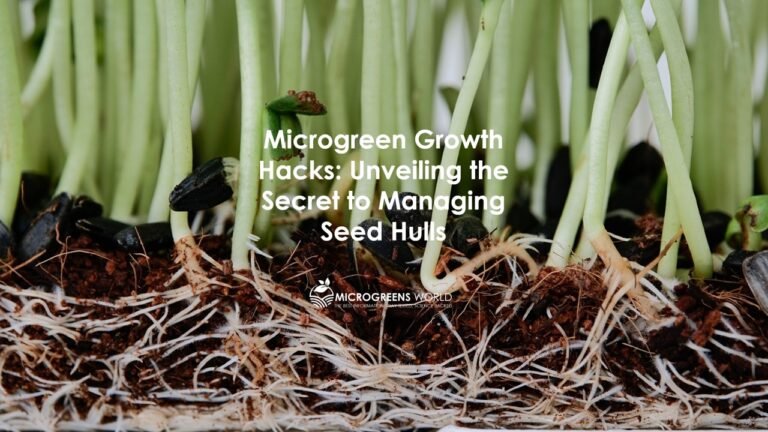
Seed hulls on microgreens can hinder their growth. Dealing with seed hulls on microgreens involves a few key steps: maintaining optimal humidity levels, gentle manual removal, and using a fan for air circulation. These methods ensure the hulls fall off naturally without damaging the delicate seedlings.
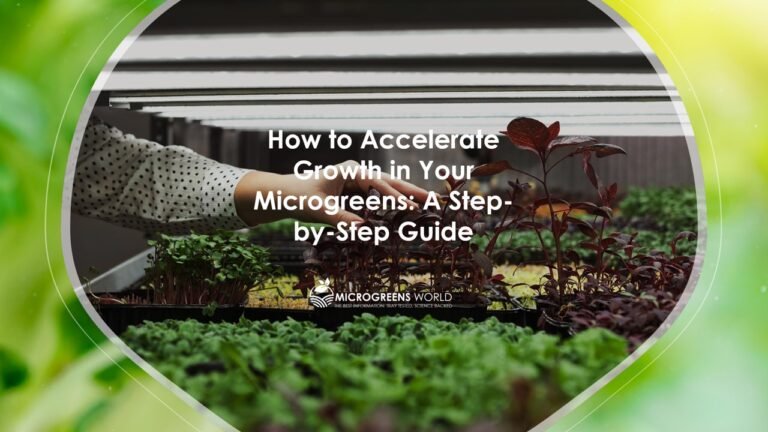
Slow growth in microgreens can be addressed by optimizing growing conditions, including light, temperature, and nutrient supply. Regular monitoring and adjustments can ensure healthy, rapid growth.
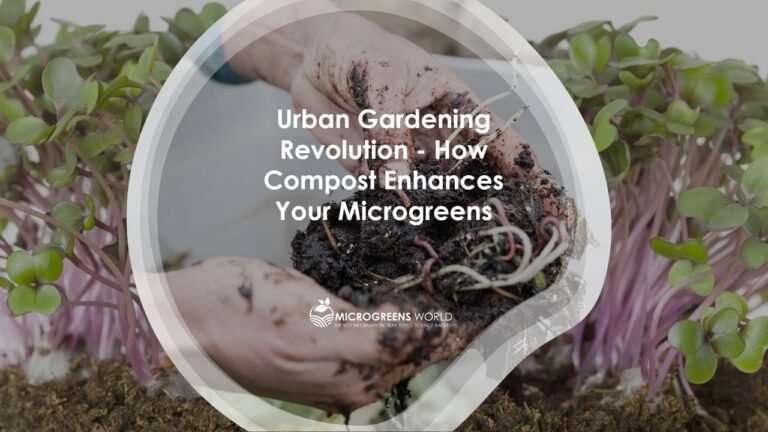
Compost, rich in organic matter and beneficial microbes, provides essential nutrients for microgreens, enhancing their growth and nutritional content. It's a sustainable, cost-effective solution for urban dwellers and home gardeners and a promising business model for green entrepreneurs.
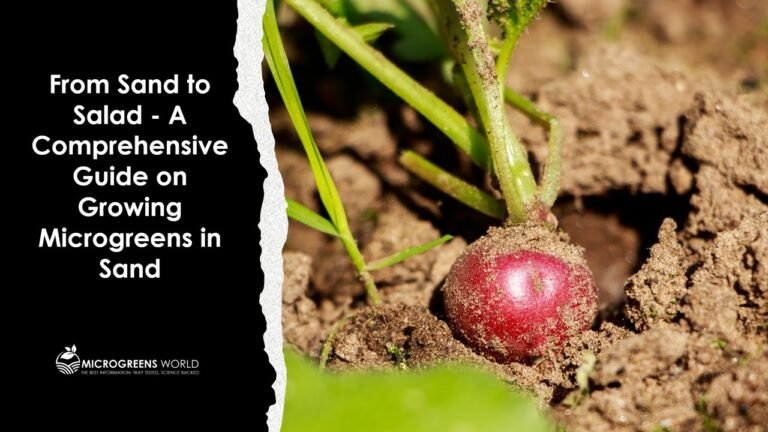
Growing microgreens in sand involves planting the seeds in a sand medium, providing adequate water and light. This method is beneficial as sand has excellent drainage, prevents overwatering, and is easily accessible and affordable.
Quality control in your microgreens business ensures the production of healthy, nutrient-rich crops. It enhances sustainability by minimizing waste, ensuring consistent yield, and maintaining high product quality standards.
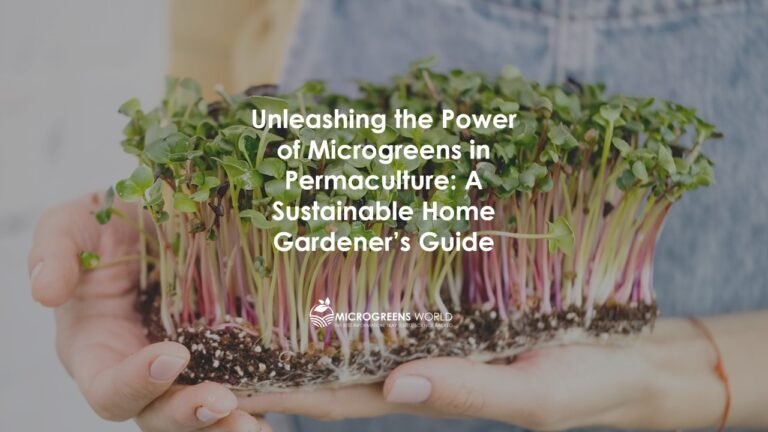
In permaculture systems, microgreens, seedlings of vegetables, and herbs play an essential role. They enhance soil fertility, promote biodiversity, and provide a sustainable source of nutrient-rich food, revolutionizing home gardening and urban farming practices.
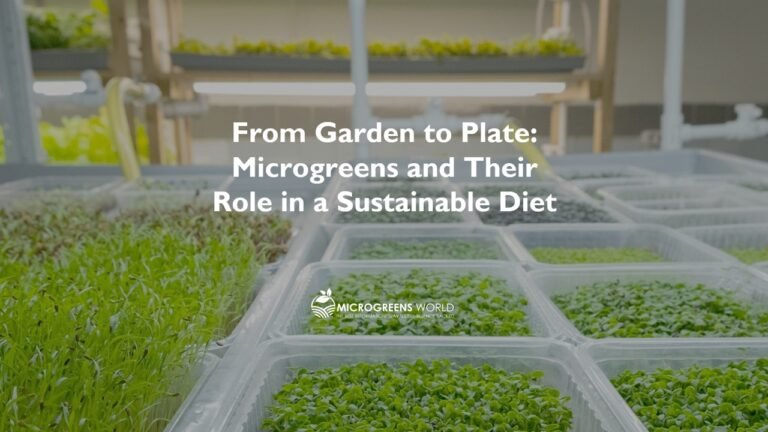
The role of microgreens in a sustainable diet can provide numerous benefits. Microgreens are young vegetable greens that provide a concentrated source of nutrients. They can be grown indoors, require minimal space, and mature within a few weeks, making them an eco-friendly and sustainable addition to our diet.
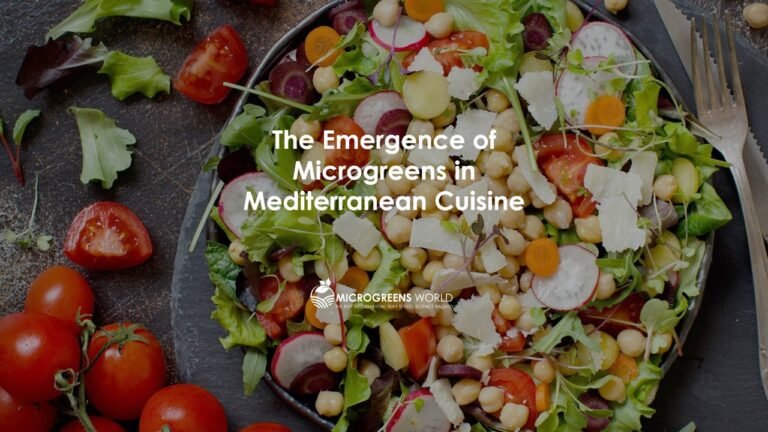
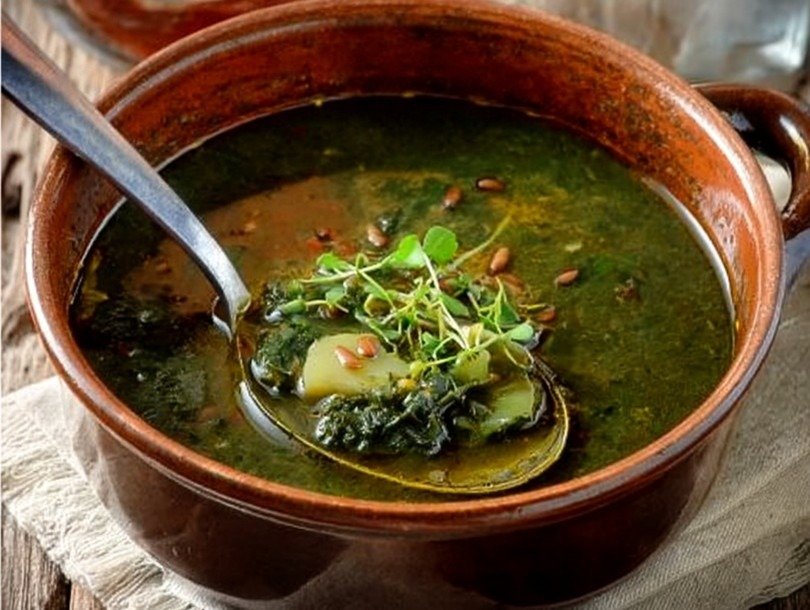
Microgreens play a pivotal role in Mediterranean cuisine, adding nutritional value, enhancing flavors, and providing visual appeal. Use them in salads, garnishes, and as key ingredients, enriching the diet with their high vitamin, mineral, and antioxidant content.
Chefs pair microgreens with proteins to enhance their dishes' flavor, visual appeal, and nutritional value. The small seedlings of vegetables and herbs known as microgreens are incredibly nutrient-dense. When paired with proteins like meat, fish, or plant-based proteins, they add a fresh, intense flavor and a vibrant color contrast. The pairing also balances the diet, providing a mix of essential nutrients needed for health and well-being.
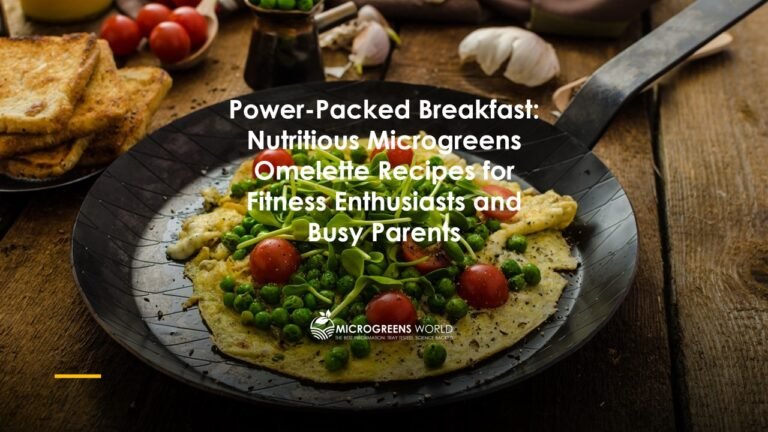
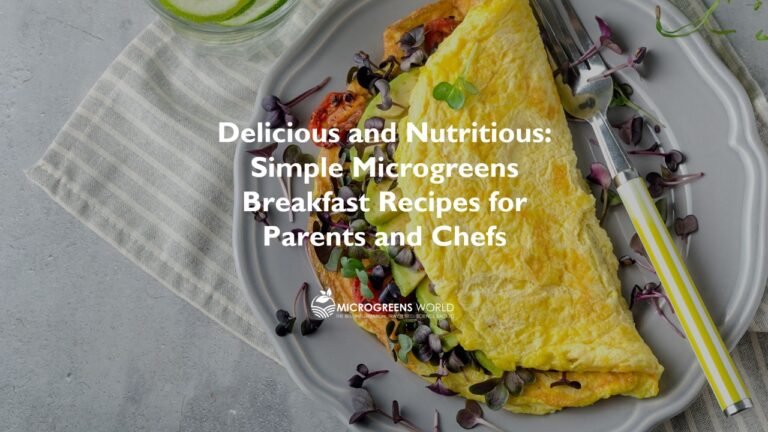
Microgreens omelet recipes are nutritious and delicious to start your day. They are packed with essential nutrients and are perfect for fitness enthusiasts and busy parents.
The lifecycle of microgreens follows the stages of germination, leaf development, and harvesting. Starting as seeds, they germinate in a moist environment, sprout leaves (cotyledons), and grow true leaves. Harvesting occurs usually after the cotyledon stage, within 1-3 weeks of planting.
Microgreens are nutrient-dense young vegetables used in various breakfast recipes to enhance flavor and nutritional value. They are rich in antioxidants, vitamins C, E, and K, and beta-carotene. They are easy to grow at home and can be incorporated into meals in numerous ways.
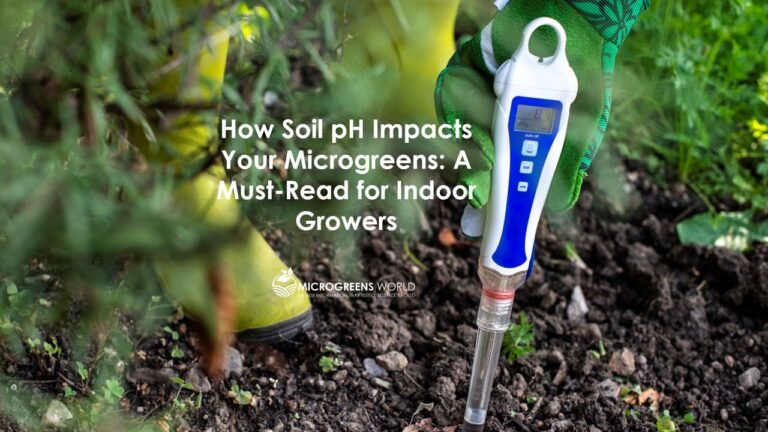
The term pH is an abbreviation for 'potential of Hydrogen.' On a scale of 0 to 14, it represents a solution's acidity or alkalinity. When growing microgreens, it refers to the pH of the soil and plays a critical role. It affects nutrient availability, thereby influencing plant health. Optimal pH levels for microgreens range between 6.0 and 7.0. Regular testing and adjustment of soil pH can ensure robust microgreen growth.
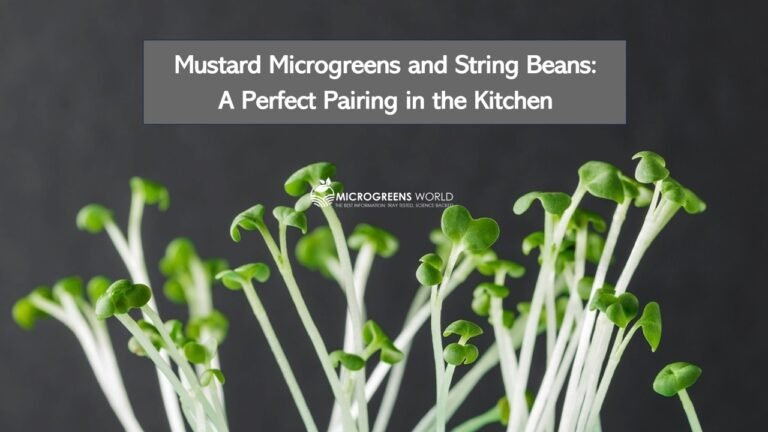
Adding mustard microgreens to string beans during cooking is a great way to add flavor and texture to an otherwise dull vegetable. The mustard greens are firm in taste and give them an added zing. Combined with onion and a little salt, they go great with string beans.
When you visit any web site, it may store or retrieve information on your browser, mostly in the form of cookies. Control your personal Cookie Services here.
For perfomance reasons we use Cloudflare as a CDN network. This saves a cookie "__cfduid" to apply security settings on a per-client basis. This cookie is strictly necessary for Cloudflare's security features and cannot be turned off.
__cfduid
These cookies allow us to count visits and traffic sources, so we can measure and improve the performance of our site.
Meet Doc Green—your intelligent guide to the science of microgreens. Search smarter, review faster, and interact directly with 2,000+ papers using AI-powered tools built for researchers, growers, and educators.
If you’re serious about microgreens. No more wasted time. No more guesswork.
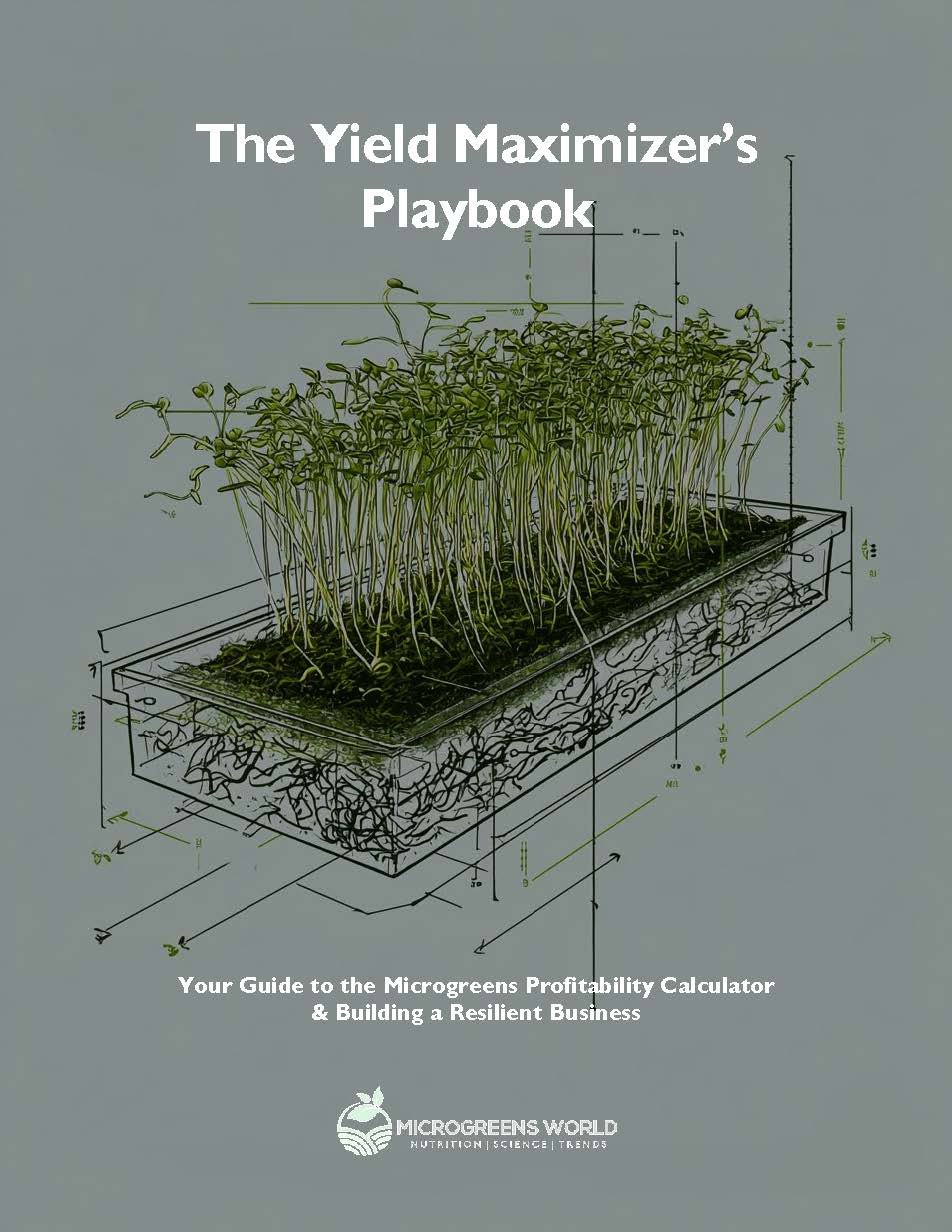
The calculator shows you the numbers. This Playbook tells you what to do with them. It’s a complete guide to turning your data into dollars and building a resilient business.
Inside this 30-page guide, you get:
The 5 Levers for pushing yields from 1:5 toward a profitable 1:15,
getting more revenue from the same seed cost.
A step-by-step plan for fixing a negative Margin of Safety,
ensuring your business can survive a slow month.
The “Two Hats” method for paying yourself a real salary,
turning a demanding hobby into a real business.
This entire playbook costs less than one failed tray of microgreens. For $9, you are getting a professional framework that can add hundreds to your bottom line.
GET THE $9 PLAYBOOK NOW
If you’re serious about microgreens, this is the easiest way to start.
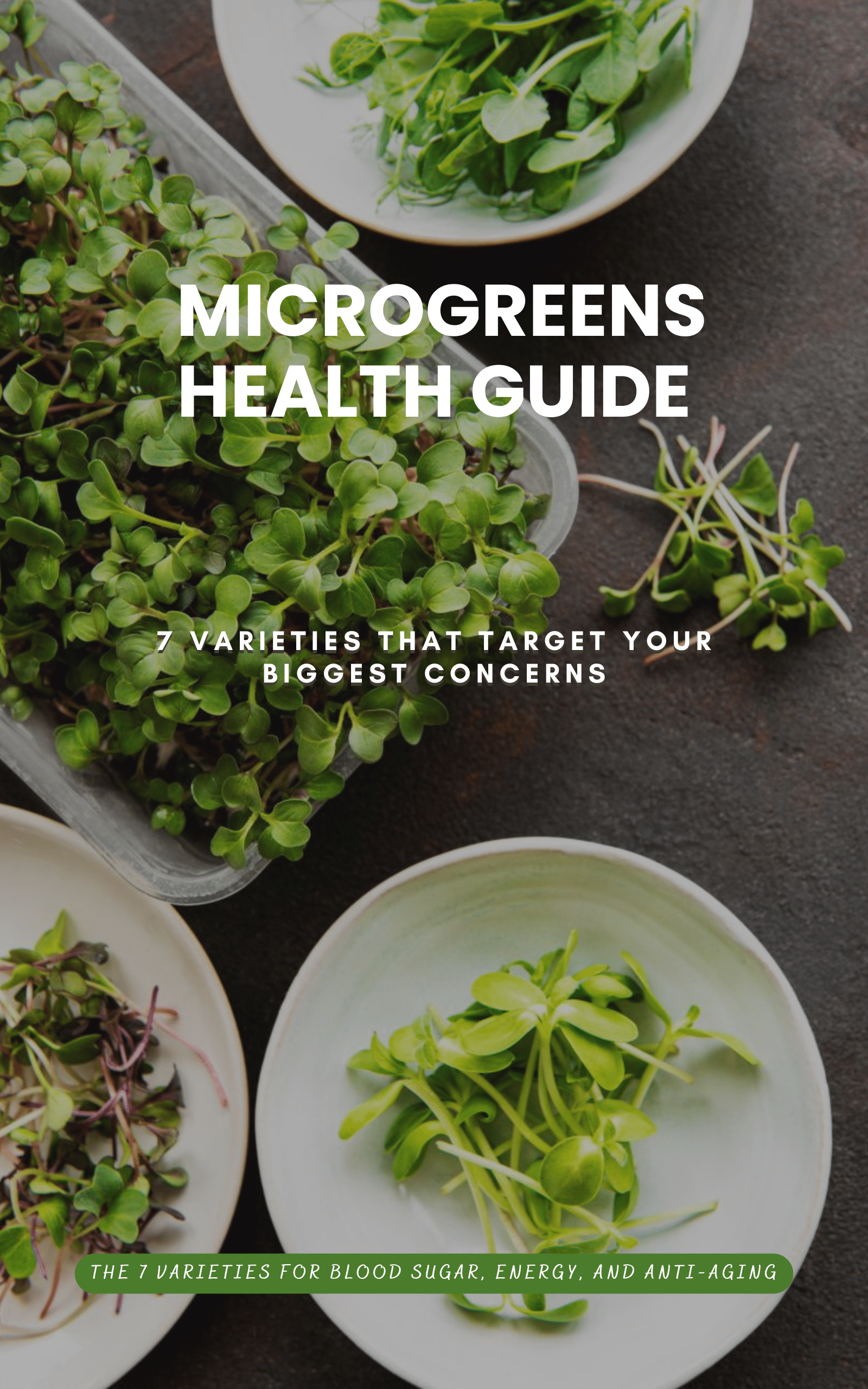
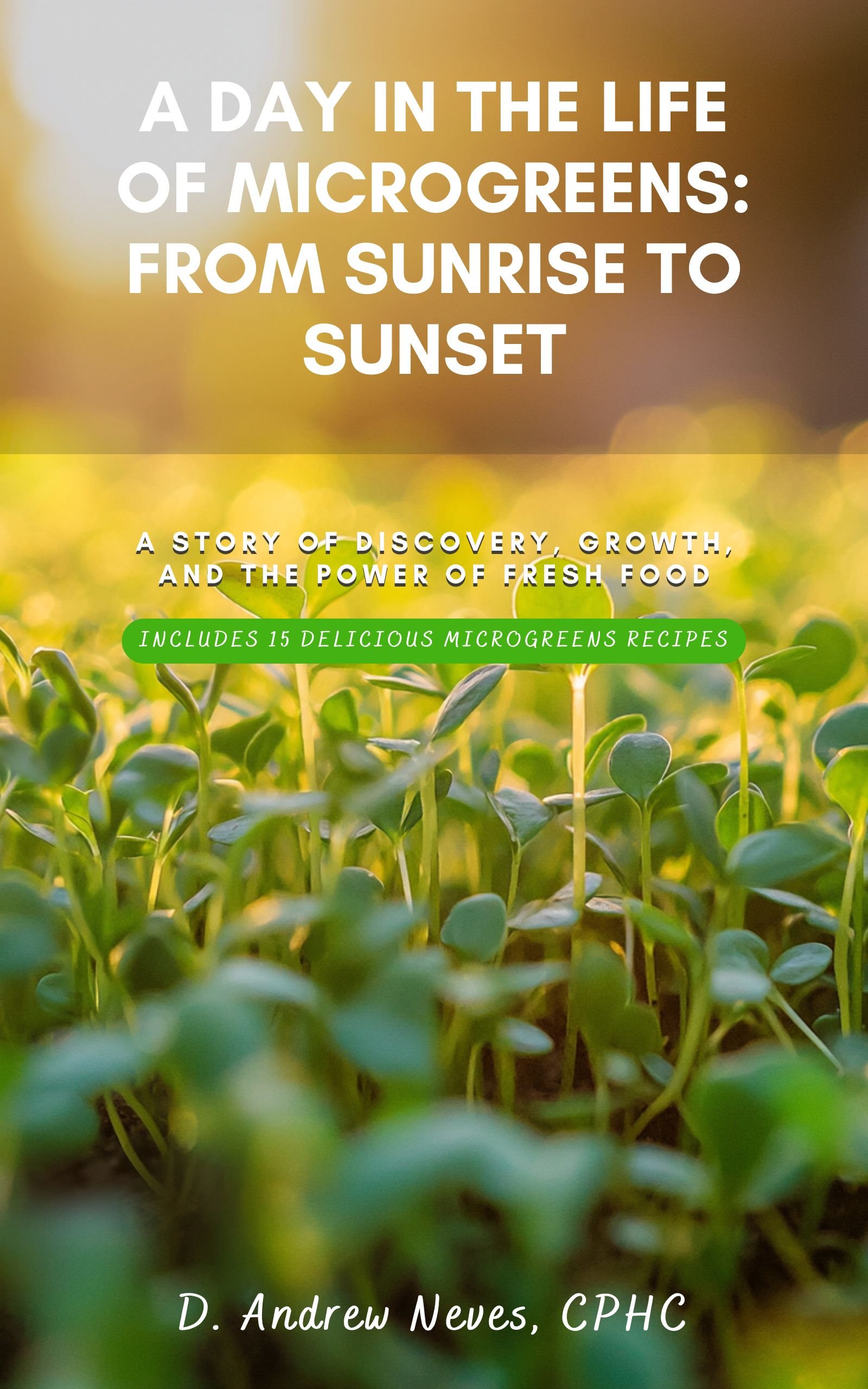
Includes 15 fast, delicious ways to use microgreens daily.
✔ No complicated techniques. Just real, practical meals. ✔ Breakfast, Lunch, & Dinner options. ✔ Minimal ingredients, maximum nutrition. ✔ Instant digital download. Get started today.
🔹 Not for everyone. This is for people who are serious about microgreens.
Get Instant Access for Just $7 and Join our Weekly Newsletter