Your Microgreens Health Guide is downloading…
Enjoyed this sample? Browse our collection of guides, books, and apps to improve your health!

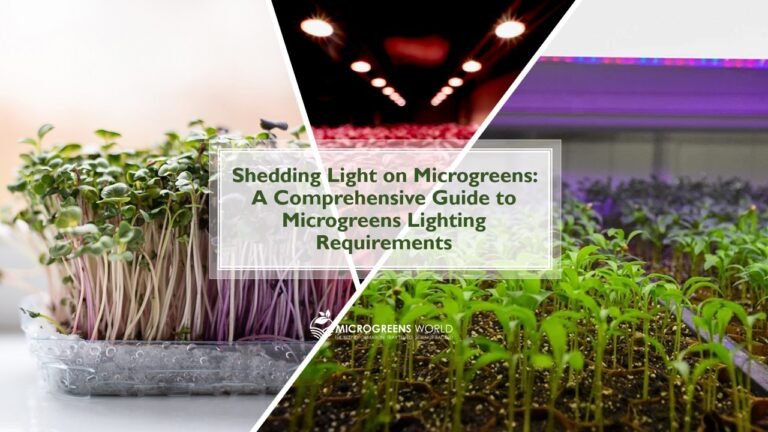
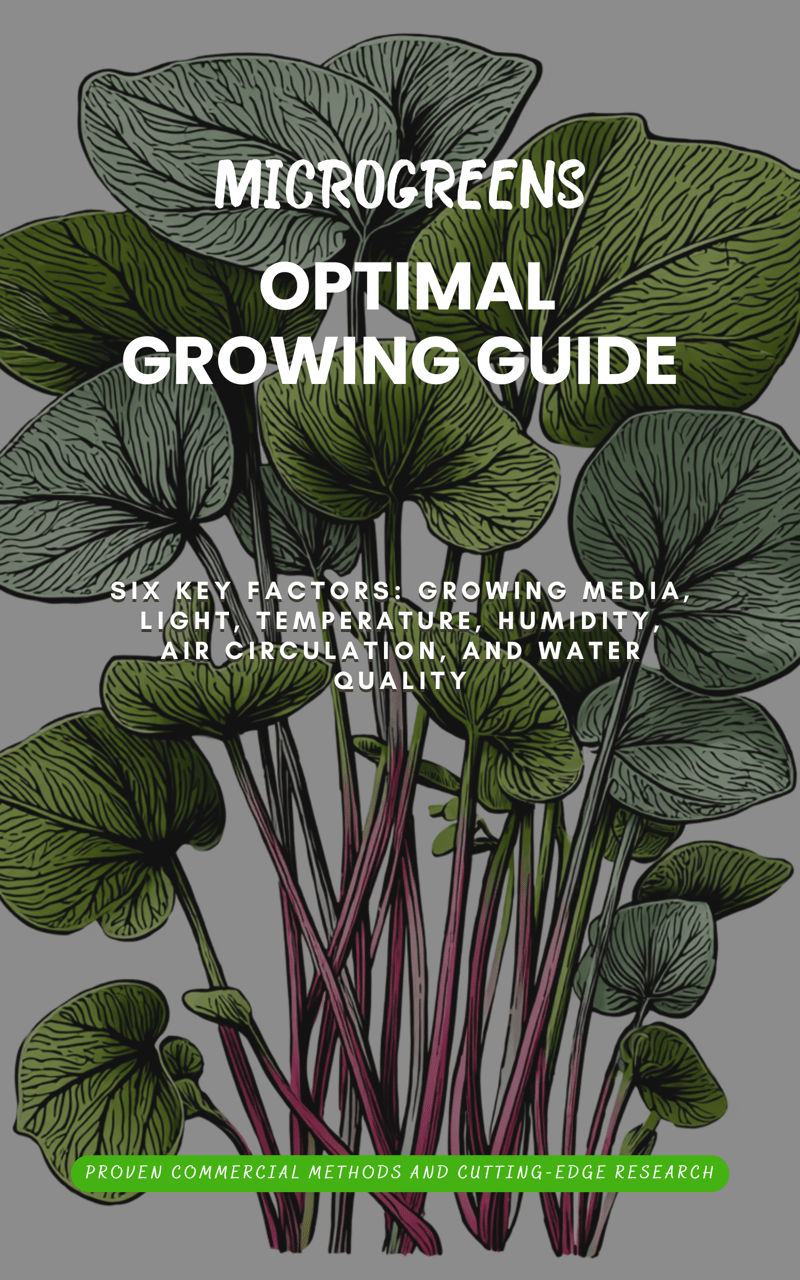
Microgreens require ample light for healthy growth. The best light for microgreens is full-spectrum, mimicking natural sunlight. Focusing on wavelengths of blue (440-470nm) and red (640-680nm) is crucial for photosynthesis. Light intensity, measured in photosynthetic photon flux density (PPFD), should…
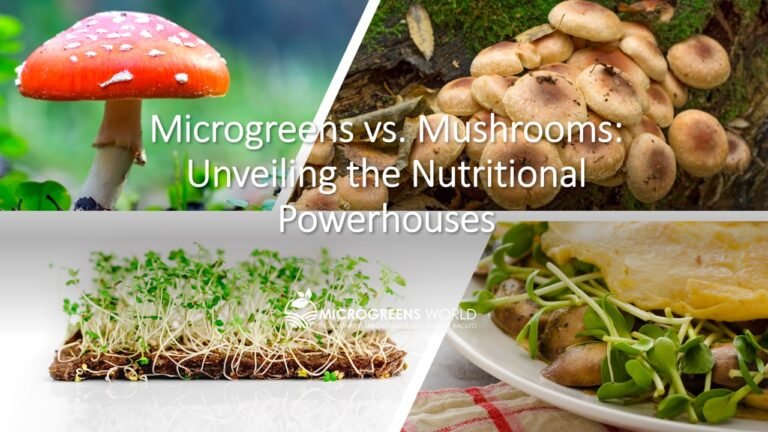
Microgreens and mushrooms, both nutrient-rich and versatile, are grown in controlled environments with a short growing period. Microgreens, young vegetable and herb seedlings, have a mild flavor and short shelf life. Mushrooms, fungi growing on organic matter, have an intense…
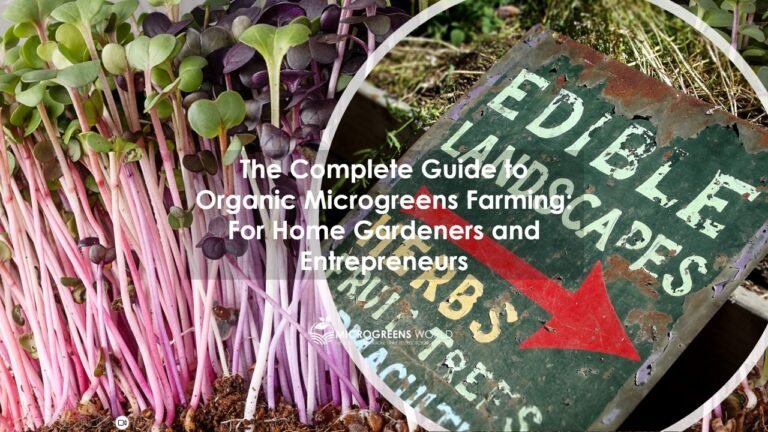
Organic microgreen farming uses certified organically pathogen-free seeds, no synthetic chemicals or pesticides, follows good agricultural practices (GAP), and the resulting microgreens have increased nutrient content, reduced risk of contamination, and better taste. Some examples of microgreens that can be…
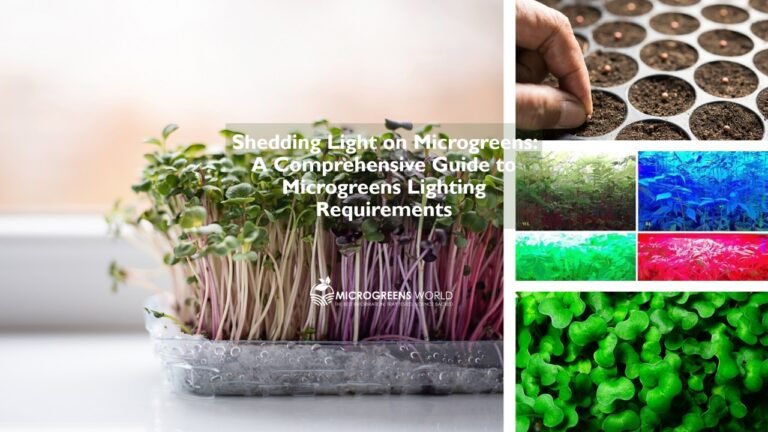
Growing microgreens in low light conditions involve selecting light-tolerant varieties, such as kale or mustard, and providing supplemental light if necessary. Optimal light conditions for microgreens generally range from 50 to 200 µmol/m²/s, but these plants can adapt to lower…
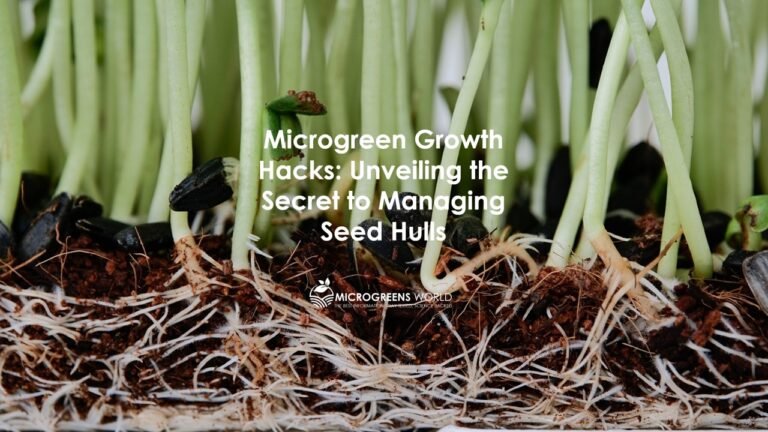
Seed hulls on microgreens can hinder their growth. Dealing with seed hulls on microgreens involves a few key steps: maintaining optimal humidity levels, gentle manual removal, and using a fan for air circulation. These methods ensure the hulls fall off…
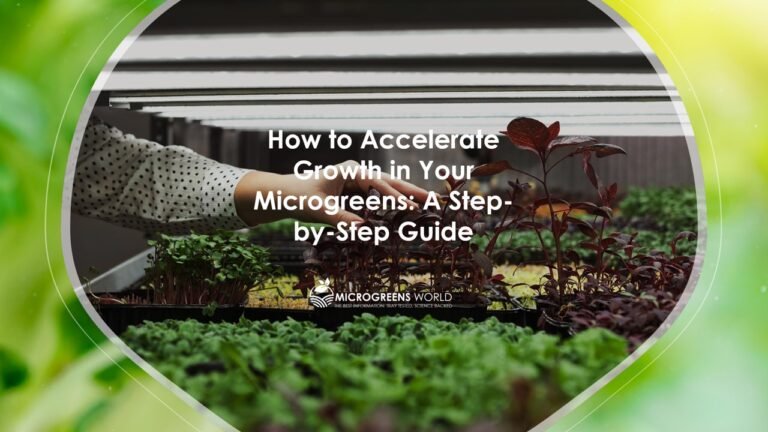
Slow growth in microgreens can be addressed by optimizing growing conditions, including light, temperature, and nutrient supply. Regular monitoring and adjustments can ensure healthy, rapid growth.
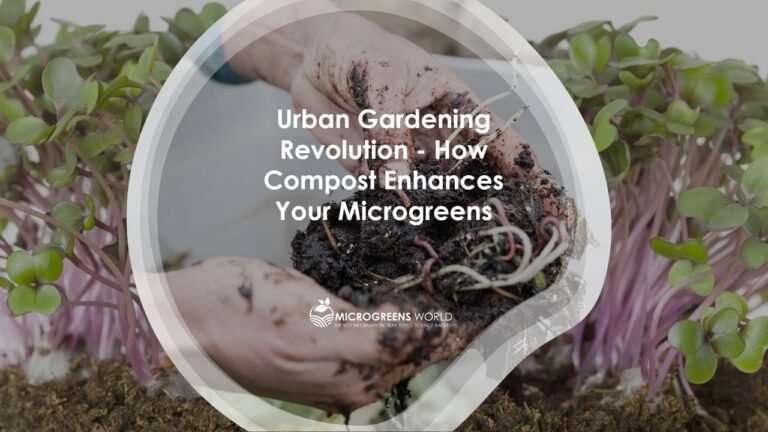
Compost, rich in organic matter and beneficial microbes, provides essential nutrients for microgreens, enhancing their growth and nutritional content. It’s a sustainable, cost-effective solution for urban dwellers and home gardeners and a promising business model for green entrepreneurs.
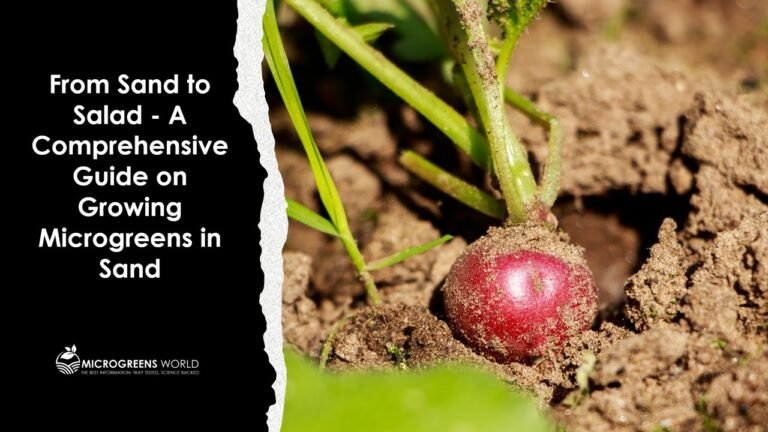
Growing microgreens in sand involves planting the seeds in a sand medium, providing adequate water and light. This method is beneficial as sand has excellent drainage, prevents overwatering, and is easily accessible and affordable.
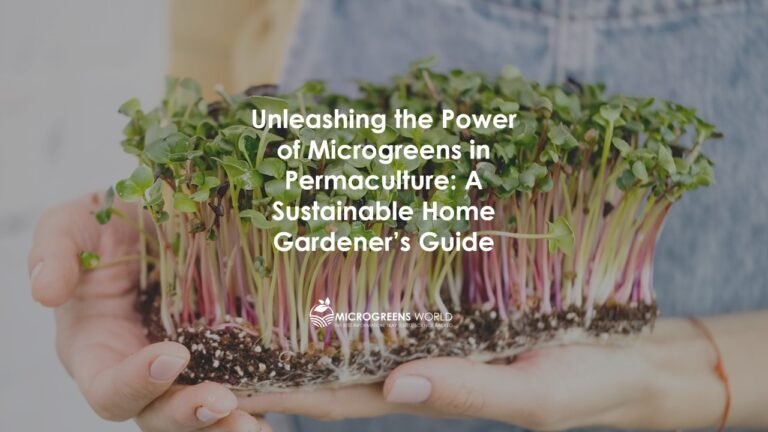
In permaculture systems, microgreens, seedlings of vegetables, and herbs play an essential role. They enhance soil fertility, promote biodiversity, and provide a sustainable source of nutrient-rich food, revolutionizing home gardening and urban farming practices.

The lifecycle of microgreens follows the stages of germination, leaf development, and harvesting. Starting as seeds, they germinate in a moist environment, sprout leaves (cotyledons), and grow true leaves. Harvesting occurs usually after the cotyledon stage, within 1-3 weeks of…
The term pH is an abbreviation for ‘potential of Hydrogen.’ On a scale of 0 to 14, it represents a solution’s acidity or alkalinity. When growing microgreens, it refers to the pH of the soil and plays a critical role.…
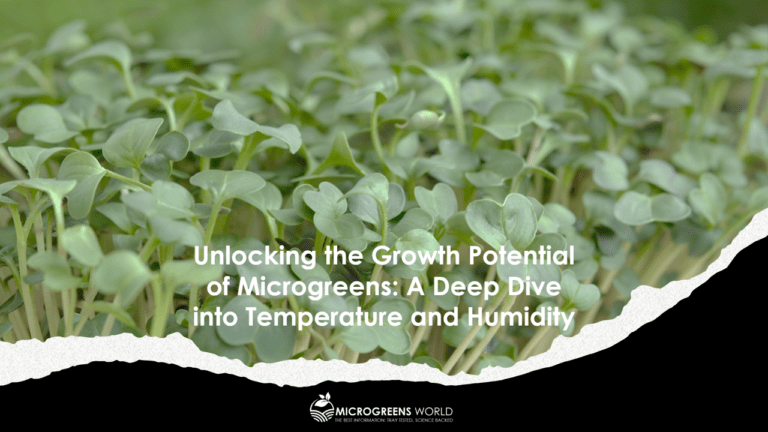
Most microgreens grow best in the 60°F to 75°F (15°C to 24°C) temperature range. The sweet spot ensures they germinate efficiently, soak up sunlight for photosynthesis, and grow into healthy plants. So, if you want your microgreens to flourish, you’ve…
Knowing when to harvest microgreens is crucial for capturing their full potential. The optimal harvest time varies depending on the variety and growth stage. Generally, microgreens are ready for harvest within 7-14 days after sowing once they reach the true…
When you visit any web site, it may store or retrieve information on your browser, mostly in the form of cookies. Control your personal Cookie Services here.

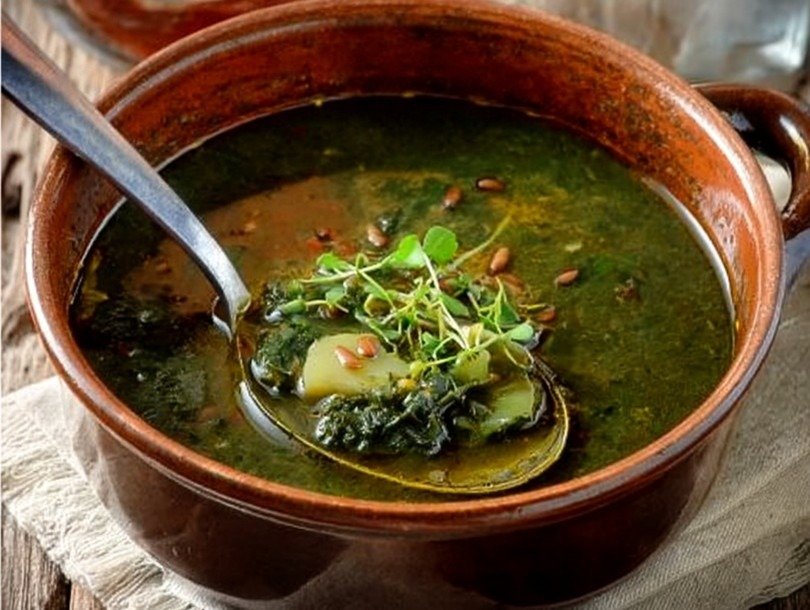
Caldo Verde Renovado com Microverdes de Couve
(Reimagined Green Broth with Kale Microgreens)

Meet Doc Green—your intelligent guide to the science of microgreens. Search smarter, review faster, and interact directly with 2,000+ papers using AI-powered tools built for researchers, growers, and educators.
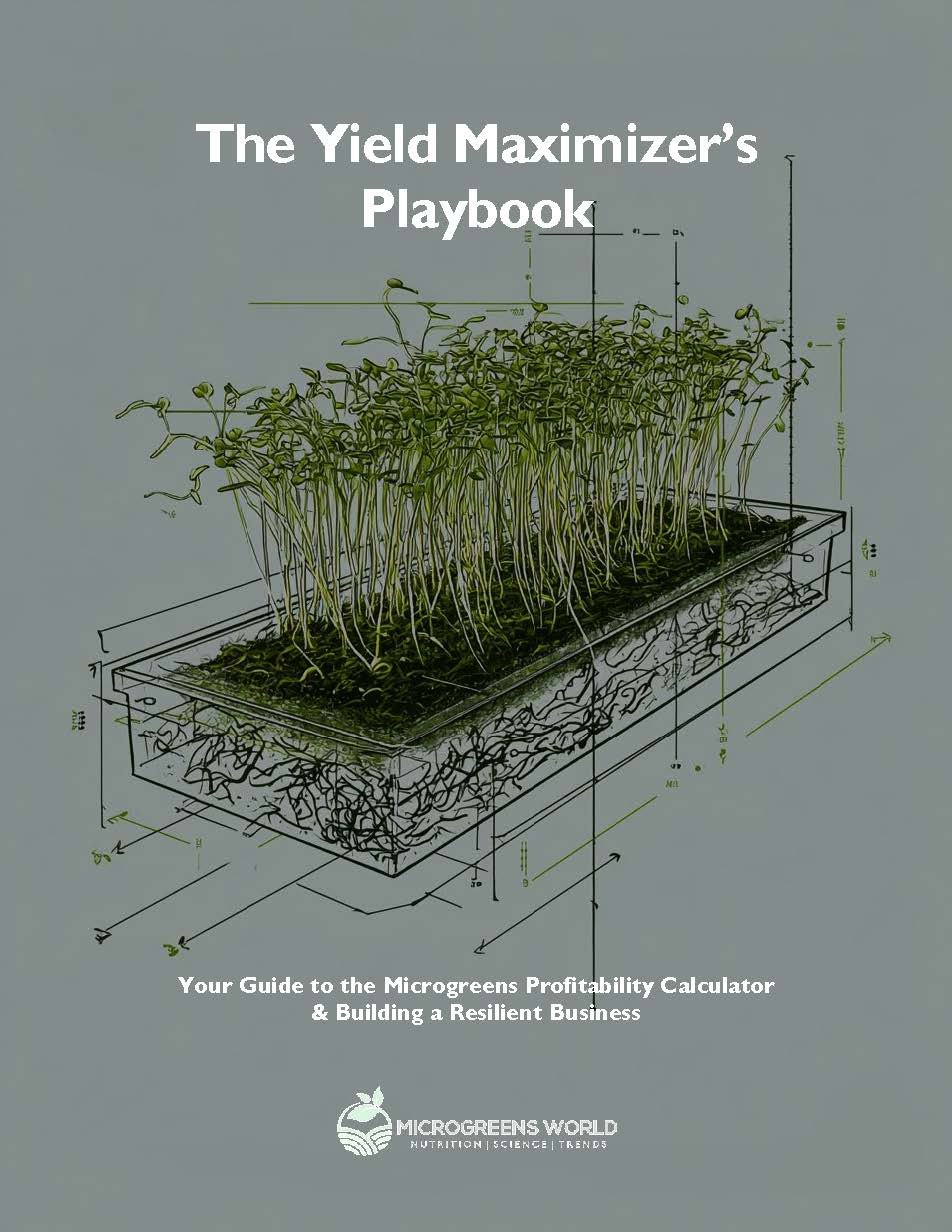
The calculator shows you the numbers. This Playbook tells you what to do with them. It’s a complete guide to turning your data into dollars and building a resilient business.
Inside this 30-page guide, you get:
The 5 Levers for pushing yields from 1:5 toward a profitable 1:15,
getting more revenue from the same seed cost.
A step-by-step plan for fixing a negative Margin of Safety,
ensuring your business can survive a slow month.
The “Two Hats” method for paying yourself a real salary,
turning a demanding hobby into a real business.
This entire playbook costs less than one failed tray of microgreens. For $9, you are getting a professional framework that can add hundreds to your bottom line.
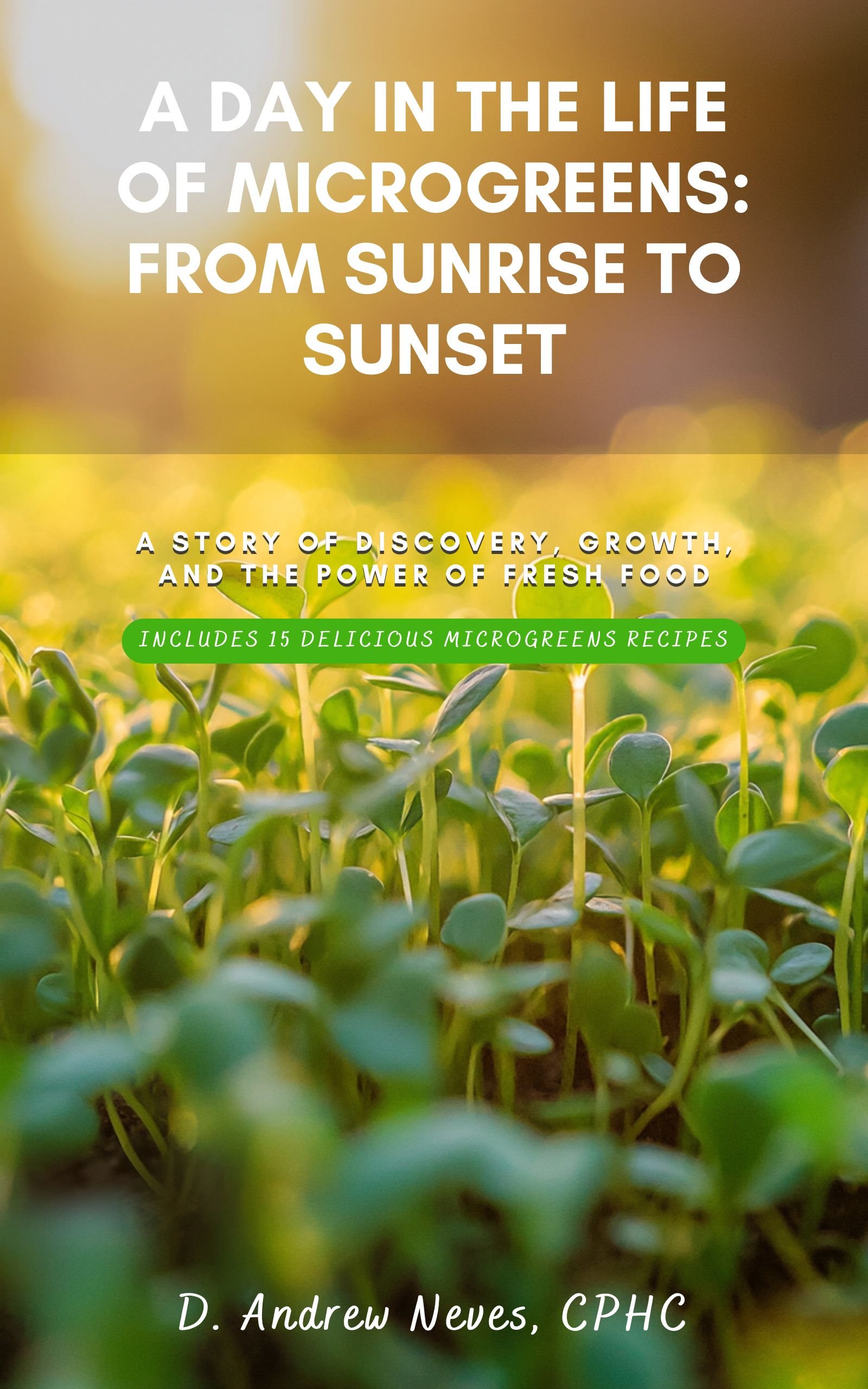
✔ No complicated techniques. Just real, practical meals.
✔ Breakfast, Lunch, & Dinner options.
✔ Minimal ingredients, maximum nutrition.
✔ Instant digital download. Get started today.
🔹 Not for everyone. This is for people who are serious about microgreens.
Get Instant Access for Just $7 and Join our Weekly Newsletter